Hey there! As a supplier of portable air compressors, I often get asked about adjusting the air pressure of these nifty machines. It's a crucial skill, whether you're using the compressor for inflating tires, powering pneumatic tools, or other tasks. In this blog post, I'll walk you through the process of adjusting the air pressure of a portable air compressor step by step.
First off, let's understand why adjusting air pressure is important. Different applications require different air pressures. For example, when inflating a car tire, the recommended pressure is usually between 30 - 35 PSI (pounds per square inch). But if you're using a pneumatic paint sprayer, you might need a higher pressure, say 40 - 60 PSI. Getting the pressure right not only ensures the job gets done efficiently but also extends the lifespan of your tools and equipment.
Understanding Your Portable Air Compressor
Before you start adjusting the pressure, it's essential to know your compressor inside out. Most portable air compressors come with a pressure gauge, which shows the current air pressure in the tank. There's also a regulator, a device that allows you to control the pressure of the air coming out of the compressor.
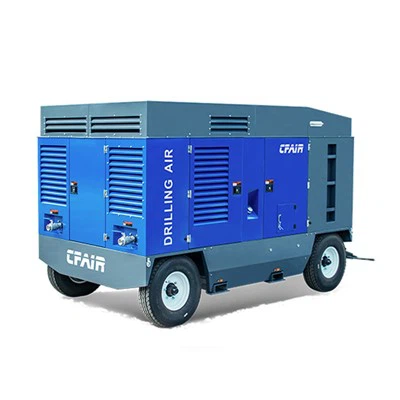
There are various types of portable air compressors available in the market. For instance, the Engine Drive Air Compressor is powered by an engine and is great for heavy - duty tasks in remote locations. The Mobile Air Compressor is designed to be easily moved around, making it suitable for on - the - go jobs. And the Engine Driven Air Compressor offers high - performance and reliability.
Safety First
Adjusting air pressure involves working with a machine that stores high - pressure air, so safety should be your top priority.
- Read the manual: Before you start tinkering with the compressor, read the user manual thoroughly. It contains important information about the specific model, including safety guidelines, maximum pressure limits, and operating procedures.
- Turn off the compressor: Always turn off the compressor and unplug it from the power source (if it's an electric one) or stop the engine (if it's engine - driven) before making any adjustments to the pressure.
- Release the pressure: If there's any pressure in the tank or the hose, release it by opening the pressure relief valve. This will prevent any accidental release of high - pressure air while you're working on the compressor.
Step - by - Step Guide to Adjusting Air Pressure
Step 1: Determine the Required Pressure
The first thing you need to do is figure out the air pressure required for your specific task. You can find this information in the user manual of the tool you're using or on a sticker on the tool itself. For example, if you're using a nail gun, the recommended pressure might be around 70 - 120 PSI.
Step 2: Check the Pressure Gauge
Once you've determined the required pressure, turn on the compressor and let it run until it reaches its maximum pressure. Check the pressure gauge on the tank to see the current pressure. If the pressure is already higher than the required pressure for your task, you'll need to reduce it.
Step 3: Adjust the Pressure Regulator
Locate the pressure regulator on your compressor. It usually has a dial or a knob that you can turn to adjust the pressure.
- Increasing the pressure: If you need to increase the pressure, turn the dial or knob clockwise. As you turn it, you'll hear the air flowing through the regulator, and the pressure gauge will start to show an increase in pressure. Keep turning the dial slowly until you reach the desired pressure.
- Decreasing the pressure: To decrease the pressure, turn the dial or knob counter - clockwise. The air will start to escape from the regulator, and the pressure gauge will show a decrease in pressure. Again, turn the dial slowly until you reach the required pressure.
Step 4: Verify the Pressure
After you've made the adjustment, use a separate pressure gauge (if possible) to verify the air pressure at the end of the hose. This will ensure that the pressure you've set is accurate. Some hoses come with built - in pressure gauges, which makes this process easier.
Step 5: Start Using Your Tool
Once you've verified the pressure, you're ready to start using your pneumatic tool. Connect the tool to the compressor using the appropriate hose and fittings. Make sure the connections are tight to prevent any air leaks.
Troubleshooting Common Issues
Sometimes, you might encounter issues while adjusting the air pressure. Here are some common problems and how to fix them:
-
Pressure not increasing: If you turn the regulator to increase the pressure, but the pressure gauge doesn't show any change, there could be a few reasons. First, check if the compressor is running at full capacity. If it's an electric compressor, make sure it's plugged in and getting enough power. If it's engine - driven, check the fuel level and the engine's performance. Also, check for any air leaks in the hoses or fittings.


-
Pressure fluctuating: If the pressure gauge shows fluctuations in pressure while using the tool, it could be due to a clogged air filter. Clean or replace the air filter to ensure a steady flow of air. Another possible cause could be a damaged pressure regulator. In this case, you might need to replace the regulator.
-
Pressure too high or too low: If the air pressure is consistently too high or too low, even after adjusting the regulator, there could be a problem with the compressor's control system. Check the settings on the compressor and make sure they're correct. If the problem persists, it's best to contact a professional for further diagnosis and repair.
Conclusion
Adjusting the air pressure of a portable air compressor is not as complicated as it might seem. By following these steps and taking the necessary safety precautions, you can easily set the right pressure for your tasks. Whether you're using a Engine Drive Air Compressor, a Mobile Air Compressor, or an Engine Driven Air Compressor, proper pressure adjustment will ensure optimal performance and longevity of your equipment.
If you're in the market for a high - quality portable air compressor or have any questions about air pressure adjustment, feel free to reach out. We're here to help you find the perfect compressor for your needs and ensure you get the best out of it. Contact us for more information and to start the procurement discussion.
References
- Compressor User Manuals
- Industry Standards for Pneumatic Tools
- Manufacturer's Technical Specifications