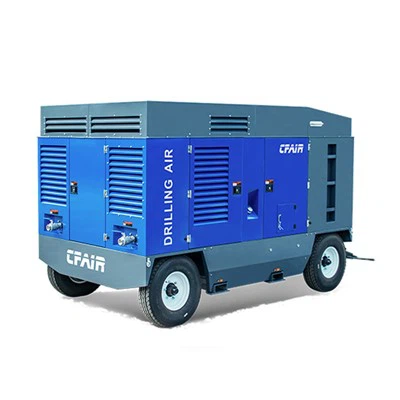
When it comes to the operation of a compressor for blasting, proper maintenance is crucial to ensure its efficiency, reliability, and longevity. As a supplier of compressors for blasting, I understand the significance of having the right maintenance tools at hand. In this blog post, I will discuss the essential maintenance tools needed for a compressor for blasting, providing you with insights to keep your equipment in top - notch condition.
1. Pressure Gauges
Pressure gauges are fundamental tools for maintaining a compressor for blasting. They allow operators to monitor the pressure levels within the compressor system accurately. In a blasting compressor, pressure is a critical parameter as it directly affects the performance of the blasting process.
There are different types of pressure gauges suitable for compressors. Bourdon tube pressure gauges are commonly used due to their durability and accuracy. These gauges work based on the principle that a flattened tube will tend to straighten when pressure is applied inside it. By measuring the movement of the tube, the pressure can be determined.
Regularly checking the pressure gauges is essential. High pressure can cause excessive wear on the compressor components, such as the valves and pistons, while low pressure may result in inefficient blasting. It is recommended to check the pressure gauges at least once a day during normal operation. If you notice any abnormal pressure readings, it could indicate a problem with the compressor, such as a leak or a malfunctioning valve.
2. Oil Analysis Kits
Oil is the lifeblood of a compressor. It lubricates the moving parts, reduces friction, and helps in dissipating heat. An oil analysis kit is a valuable tool for assessing the condition of the compressor oil.
These kits typically include test strips or vials that can be used to analyze various properties of the oil, such as its viscosity, contamination level, and the presence of wear metals. By regularly analyzing the oil, you can detect early signs of problems, such as excessive wear on the compressor components or the ingress of contaminants.
For example, if the oil analysis reveals a high level of iron particles, it could indicate that the compressor's bearings or pistons are wearing out. In such cases, timely maintenance can prevent further damage and costly repairs. It is advisable to perform an oil analysis every three months or as recommended by the compressor manufacturer.
3. Air Filter Cleaning Tools
Air filters play a vital role in protecting the compressor from dust, dirt, and other contaminants. Over time, these filters can become clogged, which restricts the airflow into the compressor and reduces its efficiency.
To clean the air filters, you will need a few tools. A soft - bristle brush is useful for gently removing the surface dust from the filter. Compressed air can also be used to blow out the dirt from the filter. However, it is important to use the compressed air at a low pressure to avoid damaging the filter.
In some cases, the air filters may need to be replaced if they are severely clogged or damaged. It is recommended to check the air filters weekly and clean or replace them as necessary. By keeping the air filters clean, you can ensure that the compressor receives a sufficient supply of clean air, which is essential for its proper operation.
4. Valve Inspection Tools
The valves in a compressor for blasting are critical components that control the flow of air in and out of the compressor cylinders. Over time, these valves can wear out, become stuck, or develop leaks.
To inspect the valves, you will need a set of valve inspection tools. A valve spring compressor is used to compress the valve springs, allowing you to remove and inspect the valves. A micrometer can be used to measure the valve dimensions to ensure they are within the manufacturer's specifications.
Regular valve inspections are important to detect any signs of wear or damage. If a valve is found to be faulty, it should be replaced immediately to prevent further damage to the compressor. Valve inspections should be carried out at least once a year or as recommended by the compressor manufacturer.
5. Cooling System Maintenance Tools
The cooling system of a compressor is responsible for removing the heat generated during the compression process. If the cooling system fails, the compressor can overheat, which can lead to premature wear of the components and even compressor failure.
To maintain the cooling system, you will need tools such as a radiator brush for cleaning the radiator fins. The radiator fins can become clogged with dust and debris, which reduces the cooling efficiency. A coolant tester can be used to check the quality and concentration of the coolant.


It is also important to check the coolant level regularly and top it up if necessary. The cooling system should be flushed and refilled with fresh coolant according to the manufacturer's recommendations, usually every one to two years.
6. Lubrication Tools
Proper lubrication is essential for the smooth operation of a compressor. Lubrication tools, such as grease guns and oil cans, are used to apply lubricants to the various moving parts of the compressor.
Grease guns are used to apply grease to the bearings and other components that require periodic greasing. Oil cans are used to add oil to the compressor's oil reservoir. It is important to use the correct type and amount of lubricant as specified by the compressor manufacturer.
Over - lubrication can be just as harmful as under - lubrication. Excess lubricant can cause the compressor to become dirty and can also lead to the formation of sludge, which can clog the oil passages.
7. Diagnostic Tools
In addition to the basic maintenance tools, diagnostic tools can be very helpful in identifying complex problems with the compressor. For example, a vibration analyzer can be used to detect abnormal vibrations in the compressor, which can indicate problems such as misalignment or unbalanced rotating parts.
A thermal imaging camera can be used to detect hot spots in the compressor, which can be a sign of overheating or a malfunctioning component. These diagnostic tools can provide valuable insights into the condition of the compressor and help in making informed maintenance decisions.
Importance of These Tools for Compressor Performance
Using the right maintenance tools is essential for ensuring the optimal performance of a compressor for blasting. By regularly monitoring and maintaining the compressor using these tools, you can prevent breakdowns, extend the lifespan of the equipment, and improve the overall efficiency of the blasting process.
For instance, a well - maintained compressor with clean air filters and proper oil lubrication will consume less energy and produce a more consistent air supply, which is crucial for achieving high - quality blasting results.
Our Product Range and the Need for Maintenance
As a supplier of compressors for blasting, we offer a wide range of products, including Diesel Powered Air Compressor and Mobile Diesel Compressor. These compressors are designed to meet the demanding requirements of the blasting industry.
However, regardless of how well - designed our compressors are, they still require proper maintenance. That's why we emphasize the importance of having the right maintenance tools. Our compressors are also widely used in construction, as seen in our Compressor In Construction applications.
Contact Us for Your Compressor Needs
If you are in the market for a compressor for blasting or need advice on compressor maintenance, we are here to help. Our team of experts can provide you with detailed information about our products and the best maintenance practices. Whether you are a small - scale blasting contractor or a large construction company, we have the right compressor solutions for you.
Don't hesitate to reach out to us for more information and to start a procurement discussion. We are committed to providing you with high - quality compressors and excellent after - sales service.
References
- Compressor Manufacturer's Manuals
- Industry Standards for Compressor Maintenance
- Technical Papers on Compressor Performance and Maintenance