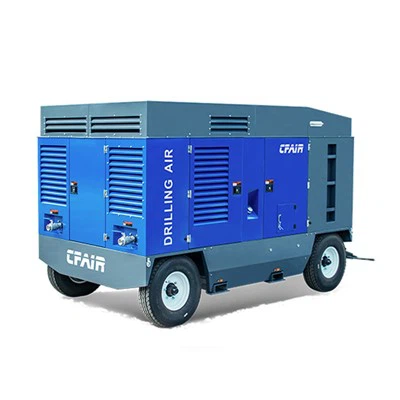
As a supplier of Mobile Diesel Compressors, I am often asked about the working principle of these powerful machines. Understanding how a mobile diesel compressor operates is crucial for anyone looking to purchase or use one effectively. In this blog post, I will delve into the inner workings of a mobile diesel compressor, explaining the key components and processes involved.
Key Components of a Mobile Diesel Compressor
Before we dive into the working principle, let's first familiarize ourselves with the main components of a mobile diesel compressor. These components work together to convert the energy from diesel fuel into compressed air.
Diesel Engine
The diesel engine is the heart of the mobile diesel compressor. It provides the power needed to drive the compressor unit. Diesel engines are known for their high torque and fuel efficiency, making them ideal for heavy-duty applications. They operate on the principle of internal combustion, where diesel fuel is ignited by the heat generated from compressing air in the cylinders.
Compressor Unit
The compressor unit is responsible for compressing the air. There are different types of compressor units, but the most common ones used in mobile diesel compressors are reciprocating and screw compressors.
- Reciprocating Compressors: These compressors use pistons that move back and forth within cylinders to compress the air. As the piston moves downward, it creates a vacuum that draws air into the cylinder. When the piston moves upward, it compresses the air and forces it out of the cylinder. Reciprocating compressors are known for their simplicity and reliability, making them suitable for small to medium-sized applications.
- Screw Compressors: Screw compressors use two interlocking rotors to compress the air. As the rotors turn, they trap air between them and gradually reduce the volume, increasing the pressure. Screw compressors are more efficient and can deliver a continuous flow of compressed air, making them ideal for large-scale industrial applications.
Air Intake System
The air intake system is responsible for drawing in ambient air and filtering it before it enters the compressor unit. It typically consists of an air filter, which removes dust, dirt, and other contaminants from the air, and an intake valve, which controls the flow of air into the compressor.
Cooling System
The cooling system is essential for maintaining the optimal operating temperature of the diesel engine and the compressor unit. It prevents overheating, which can cause damage to the components and reduce the efficiency of the compressor. The cooling system usually includes a radiator, a fan, and a coolant circulation system.
Lubrication System
The lubrication system is responsible for reducing friction and wear between the moving parts of the diesel engine and the compressor unit. It ensures smooth operation and extends the lifespan of the components. The lubrication system typically includes an oil pump, an oil filter, and oil passages that distribute the lubricating oil to the various parts of the engine and compressor.
Control System
The control system monitors and regulates the operation of the mobile diesel compressor. It includes sensors that measure parameters such as pressure, temperature, and engine speed, and a control panel that allows the operator to start, stop, and adjust the settings of the compressor. The control system also includes safety features such as pressure relief valves and overheat protection to prevent damage to the compressor and ensure the safety of the operator.


Working Principle of a Mobile Diesel Compressor
Now that we have a basic understanding of the key components, let's take a closer look at the working principle of a mobile diesel compressor.
Step 1: Air Intake
The process begins with the air intake system drawing in ambient air. The air passes through the air filter, which removes any dust, dirt, or other contaminants. The clean air then enters the compressor unit through the intake valve.
Step 2: Compression
Once the air enters the compressor unit, it is compressed. In a reciprocating compressor, the pistons move back and forth within the cylinders, compressing the air as they move upward. In a screw compressor, the interlocking rotors trap the air and gradually reduce the volume, increasing the pressure. The compressed air is then discharged from the compressor unit.
Step 3: Cooling
After compression, the air is hot and needs to be cooled down. The compressed air passes through a cooler, which is usually a heat exchanger. The cooler transfers the heat from the compressed air to the cooling medium, such as water or air. This reduces the temperature of the compressed air and makes it suitable for use in various applications.
Step 4: Lubrication
During the compression process, the moving parts of the compressor unit generate friction and heat. The lubrication system ensures that these parts are properly lubricated to reduce friction and wear. The lubricating oil is circulated through the compressor unit by an oil pump, and it is filtered to remove any contaminants.
Step 5: Control and Regulation
The control system monitors the operation of the mobile diesel compressor and regulates the parameters such as pressure, temperature, and engine speed. If the pressure or temperature exceeds the set limits, the control system will activate safety features such as pressure relief valves or shut down the compressor to prevent damage. The operator can also adjust the settings of the compressor using the control panel to meet the specific requirements of the application.
Step 6: Delivery
Once the compressed air has been cooled and regulated, it is ready to be delivered to the point of use. The compressed air is typically stored in a receiver tank, which acts as a buffer and provides a steady supply of air. From the receiver tank, the compressed air can be distributed through a network of pipes to various tools and equipment.
Applications of Mobile Diesel Compressors
Mobile diesel compressors are widely used in various industries and applications due to their portability and versatility. Some of the common applications include:
- Construction: Mobile diesel compressors are used in construction sites to power pneumatic tools such as jackhammers, nail guns, and spray guns. They provide a reliable source of compressed air for various construction tasks.
- Mining: In the mining industry, mobile diesel compressors are used to power underground drilling equipment, ventilation systems, and other pneumatic tools. They are essential for ensuring the safety and efficiency of mining operations.
- Oil and Gas: Mobile diesel compressors are used in the oil and gas industry for well drilling, pipeline testing, and other applications. They provide the high-pressure air needed for these operations.
- Agriculture: In agriculture, mobile diesel compressors are used to power irrigation systems, pneumatic seeders, and other equipment. They help farmers increase productivity and efficiency.
- Emergency Response: Mobile diesel compressors are also used in emergency response situations, such as firefighting and disaster relief. They can provide a reliable source of compressed air for powering rescue equipment and tools.
Conclusion
In conclusion, a mobile diesel compressor is a powerful and versatile machine that converts the energy from diesel fuel into compressed air. Understanding the working principle of a mobile diesel compressor is essential for anyone looking to purchase or use one effectively. By familiarizing yourself with the key components and processes involved, you can make an informed decision and ensure that the compressor meets your specific requirements.
If you are in the market for a mobile diesel compressor, we offer a wide range of high-quality products, including Towable Air Compressor, A Portable Air Compressor, and Portable Screw Air Compressor. Our compressors are designed to provide reliable performance and efficiency, and we can help you choose the right model for your application. Contact us today to discuss your needs and start the procurement negotiation process.
References
- Compressed Air and Gas Institute (CAGI). (n.d.). Compressed Air Basics. Retrieved from [CAGI Website]
- Ingersoll Rand. (n.d.). How Compressors Work. Retrieved from [Ingersoll Rand Website]
- Sullair. (n.d.). Understanding Compressed Air Systems. Retrieved from [Sullair Website]