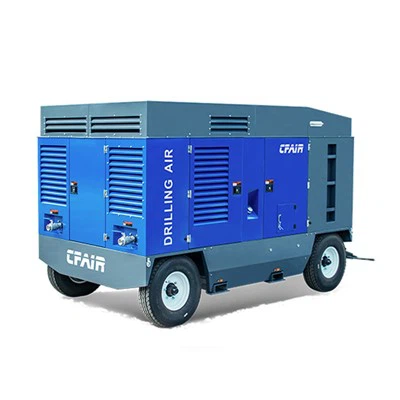
Hey there! As a supplier of screw compressors, I often get asked about the proper shutdown procedure for these machines. It's crucial to follow the right steps to ensure the longevity and safety of your screw compressor. In this blog post, I'll walk you through the shutdown process step by step.
First off, let's understand why a proper shutdown is so important. A screw compressor is a complex piece of equipment that operates under high pressure and temperature. If not shut down correctly, it can lead to various issues such as damage to the compressor components, oil contamination, and even safety hazards. By following the correct shutdown procedure, you can prevent these problems and keep your compressor running smoothly for years to come.
Step 1: Check the Operating Conditions
Before shutting down the screw compressor, you need to make sure that the operating conditions are normal. Check the pressure, temperature, and oil level gauges to ensure that they are within the recommended range. If you notice any abnormal readings, it's best to troubleshoot the issue before proceeding with the shutdown. For example, if the temperature is too high, it could indicate a cooling problem, and you should address it immediately.
Step 2: Unload the Compressor
The next step is to unload the compressor. This means reducing the pressure in the system to a safe level. Most screw compressors have an unloading valve that you can open to release the pressure. You can usually find this valve on the compressor's control panel or near the discharge line. Once you open the unloading valve, the compressor will stop compressing air, and the pressure will gradually decrease.
Step 3: Stop the Compressor Motor
After the compressor is unloaded, you can stop the compressor motor. This can usually be done by turning off the power switch on the control panel. Make sure to wait a few seconds for the motor to come to a complete stop before proceeding to the next step. Some compressors may also have a safety interlock system that prevents the motor from starting again until the unloading process is complete.
Step 4: Close the Intake Valve
Once the motor has stopped, you should close the intake valve. This will prevent any more air from entering the compressor. The intake valve is usually located near the air filter and can be closed manually or automatically, depending on the compressor's design. Closing the intake valve will also help to prevent oil from being drawn back into the compressor during shutdown.
Step 5: Drain the Condensate
Screw compressors produce condensate as a byproduct of the compression process. This condensate can accumulate in the system and cause corrosion and other problems if not drained regularly. After shutting down the compressor, you should drain the condensate from the receiver tank and any other moisture traps in the system. Most compressors have a drain valve that you can open to release the condensate. Make sure to follow the manufacturer's instructions on how often to drain the condensate and how to dispose of it properly.


Step 6: Check for Leaks
After the shutdown process is complete, it's a good idea to check for any leaks in the system. Look for any signs of oil or air leakage around the compressor, pipes, and fittings. If you notice any leaks, you should repair them immediately to prevent further damage and ensure the safety of the system. You can use a leak detector or soapy water to check for leaks.
Step 7: Perform Maintenance Checks
Finally, you should perform some routine maintenance checks on the compressor. This includes checking the oil level, inspecting the air filter, and tightening any loose bolts or connections. Regular maintenance is essential to keep your compressor running efficiently and to prevent breakdowns. You should also refer to the manufacturer's maintenance schedule for specific recommendations on how often to perform these checks.
In conclusion, following the proper shutdown procedure for a screw compressor is essential for its longevity and safety. By following the steps outlined in this blog post, you can ensure that your compressor is shut down correctly and that it will be ready to operate again when needed.
If you're in the market for a new screw compressor or need any assistance with your existing compressor, we're here to help. We offer a wide range of Mobile Air Compressor, A Portable Air Compressor, and Portable Diesel Powered Air Compressor to meet your specific needs. Contact us today to discuss your requirements and to get a quote.
References
- Compressor Handbook, various editions
- Manufacturer's manuals for screw compressors