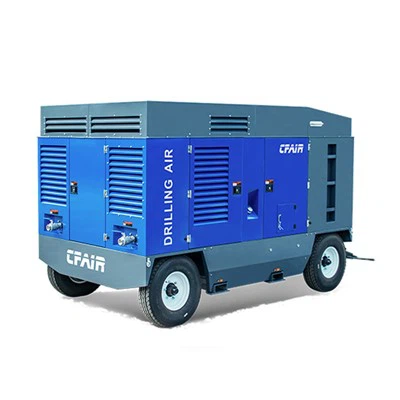
Hey there! As a supplier of box air compressors, I often get asked about the different components and their roles. One key part that plays a crucial role in the operation of a box air compressor is the pressure switch. So, let's dive into what the pressure switch does and why it's so important.
First off, what exactly is a pressure switch? Well, it's a device that senses the air pressure within the compressor's tank. It's like a little watchdog that keeps an eye on how much air is being stored and makes sure everything stays in check. When the air pressure in the tank reaches a certain level, the pressure switch kicks into action.
The main job of the pressure switch is to control the compressor motor. It decides when the motor should start and stop based on the air pressure. Let's say you're using your box air compressor to power some tools. As you use the compressed air, the pressure in the tank starts to drop. Once the pressure falls below a pre - set lower limit, the pressure switch sends a signal to the compressor motor to start up. The motor then begins to pump more air into the tank, increasing the pressure again.
On the flip side, when the pressure in the tank reaches an upper limit that's also pre - set on the pressure switch, the switch tells the motor to stop. This is really important because it prevents the tank from over - pressurizing. If the tank were to get too much pressure, it could be extremely dangerous, potentially leading to leaks, bursts, or other serious problems.
Now, let's talk about the types of pressure switches. There are generally two main types: adjustable and non - adjustable. Adjustable pressure switches give you more flexibility. You can set the upper and lower pressure limits according to your specific needs. This is great if you're using the compressor for different tasks that require different air pressures. For example, if you're using a Twin Screw Compressor for a variety of industrial applications, you might need to adjust the pressure settings depending on the tool or process you're working with.
Non - adjustable pressure switches, on the other hand, come with pre - set pressure limits. They're simpler and often more affordable. They're a good choice if you're using the compressor for a single, consistent task where the required air pressure doesn't change much.


Another important aspect of the pressure switch is its accuracy. A high - quality pressure switch will be very accurate in sensing the air pressure. This means that the compressor motor will start and stop at the exact right times, ensuring that the air pressure in the tank remains stable. If the pressure switch is inaccurate, it can lead to problems like the motor running too long or not long enough, which can waste energy and cause premature wear and tear on the compressor components.
The pressure switch also plays a role in protecting the compressor from damage. If there's a sudden drop in pressure due to a leak or a problem with the air system, the pressure switch can detect it and shut down the motor. This prevents the compressor from running dry or overworking, which could cause serious damage to the motor and other parts.
In addition to controlling the motor, the pressure switch can also be used in conjunction with other safety features in the box air compressor. For example, some compressors have a thermal overload protection feature. The pressure switch can work with this feature to ensure that if the motor gets too hot, it will shut down along with the compressor.
Now, let's look at how the pressure switch fits into the overall operation of different types of box air compressors. In a Screw Compressor Air, the pressure switch is essential for maintaining the right air pressure in the system. Screw compressors are often used in industrial settings where a continuous supply of compressed air is needed. The pressure switch ensures that the compressor can keep up with the demand by starting and stopping the motor at the appropriate times.
For a Drilling Compressor, the pressure switch is also crucial. Drilling operations require a specific air pressure to work effectively. The pressure switch makes sure that the compressor provides the right amount of air pressure for the drilling tools, whether it's for small - scale construction projects or large - scale mining operations.
As a box air compressor supplier, I always recommend that customers pay close attention to the pressure switch. It's a small but vital component that can have a big impact on the performance and safety of the compressor. When choosing a box air compressor, make sure to consider the quality and features of the pressure switch. Look for a compressor with an adjustable pressure switch if you need flexibility, or a non - adjustable one if you have a more straightforward application.
If you're in the market for a box air compressor or have any questions about the pressure switch or other components, don't hesitate to reach out. We're here to help you find the right compressor for your needs and ensure that it operates smoothly and safely. Whether you're a small business owner looking for a compressor for your workshop or an industrial operator in need of a high - capacity compressor, we've got the expertise and the products to meet your requirements.
In conclusion, the pressure switch in a box air compressor is a key component that controls the motor, maintains the right air pressure, and protects the compressor from damage. It's an essential part of the overall operation of the compressor, and understanding its role can help you get the most out of your equipment. So, if you're thinking about purchasing a box air compressor, make sure you understand how the pressure switch works and what to look for in a good one.
If you're interested in learning more or discussing your specific needs, feel free to contact us. We're eager to assist you in making the best choice for your air compression requirements.
References:
- Compressor Handbook - General information on air compressors and their components
- Industrial Air Compressor Manufacturer Guides - Specific details on the operation and maintenance of different types of compressors