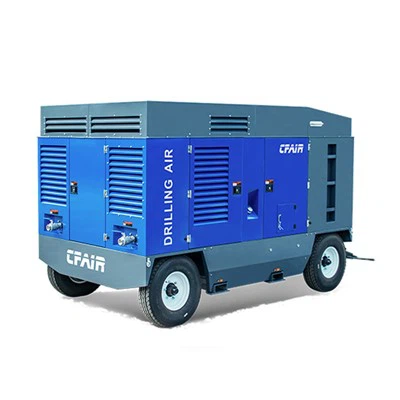
As a seasoned supplier of portable air compressors, I've encountered numerous inquiries regarding the pressure build - up time of these essential tools. Understanding this aspect is crucial for users across various industries, from construction to automotive repair. In this blog, I'll delve into what pressure build - up time is, the factors that influence it, and why it matters in real - world applications.


What is Pressure Build - Up Time?
Pressure build - up time refers to the duration it takes for a portable air compressor to reach its maximum rated pressure from an initial state, typically starting from zero pressure. This time is measured in minutes and is a key performance indicator for air compressors. For example, if a compressor has a maximum rated pressure of 150 psi and it takes 5 minutes to reach this pressure from 0 psi, then its pressure build - up time is 5 minutes.
This parameter is not just a technical specification; it has direct implications for the efficiency and productivity of operations that rely on compressed air. In industries like construction, where pneumatic tools such as jackhammers and nail guns are commonly used, a shorter pressure build - up time means less downtime waiting for the compressor to recharge, allowing workers to complete tasks more quickly.
Factors Influencing Pressure Build - Up Time
Compressor Size and Capacity
The physical size and capacity of a portable air compressor play a significant role in its pressure build - up time. Larger compressors with bigger air tanks generally take longer to build up pressure because they have more volume to fill. However, they can also store more compressed air, which is beneficial for applications that require continuous use of pneumatic tools. For instance, Large Air Compressors are often used in large - scale construction projects where multiple tools may be operating simultaneously. These compressors may have a longer pressure build - up time but can sustain a high - volume air supply once fully pressurized.
On the other hand, smaller compressors have smaller tanks and less volume to fill, so they can reach their maximum pressure more quickly. They are suitable for light - duty tasks such as inflating tires or powering small pneumatic tools in a home workshop.
Motor Power
The power of the compressor's motor is another critical factor. A more powerful motor can drive the compressor pump at a higher speed, which in turn compresses air more rapidly. Compressors with high - powered motors can build up pressure faster than those with lower - powered motors. For example, a compressor with a 5 - horsepower motor will generally have a shorter pressure build - up time compared to one with a 2 - horsepower motor, assuming other factors are equal.
Compressor Pump Efficiency
The efficiency of the compressor pump affects how effectively it can compress air. Modern pumps are designed with advanced technologies to improve compression efficiency. A more efficient pump can convert mechanical energy from the motor into compressed air more effectively, reducing the time it takes to reach the maximum pressure. Some pumps use oil - lubricated systems, which can provide smoother operation and better sealing, leading to faster pressure build - up. Others are oil - free, which may be more suitable for applications where oil contamination is a concern, but they may have slightly different pressure build - up characteristics.
Ambient Conditions
The ambient temperature and altitude can also impact the pressure build - up time of a portable air compressor. At higher altitudes, the air is less dense, which means there is less air available for the compressor to intake and compress. As a result, the compressor may take longer to build up pressure. Similarly, in cold temperatures, the air is denser, but the compressor's components may operate less efficiently due to the cold, which can also affect the pressure build - up time.
Importance of Pressure Build - Up Time in Different Industries
Construction Industry
In the construction industry, time is money. Every minute spent waiting for a compressor to build up pressure is a minute lost in productivity. Compressor In Construction is a common application where pneumatic tools are used extensively. For example, when using a jackhammer to break up concrete, a compressor with a short pressure build - up time allows the operator to start working again quickly after a brief pause. This is especially important in large - scale construction projects where multiple tools are used simultaneously, and any delay can cause significant disruptions.
Automotive Industry
In automotive repair shops, portable air compressors are used for a variety of tasks, such as inflating tires, powering impact wrenches, and operating paint sprayers. A fast - acting compressor with a short pressure build - up time enables mechanics to work more efficiently. For instance, when changing a tire, a compressor that can quickly build up pressure allows the mechanic to inflate the tire to the correct pressure in a short amount of time, reducing the overall service time for the customer.
Manufacturing Industry
In manufacturing, compressed air is used in automated production lines to power pneumatic actuators and control systems. A reliable and fast - pressurizing compressor is essential to maintain the smooth operation of these systems. Any delay in pressure build - up can lead to production bottlenecks and reduced output. Compressor Machine for Construction - like compressors, although designed for construction, share some similarities with those used in manufacturing in terms of the need for efficient pressure build - up.
How to Choose the Right Compressor Based on Pressure Build - Up Time
When selecting a portable air compressor, it's important to consider your specific needs and the applications for which you'll be using it. If you require continuous use of pneumatic tools, a larger compressor with a longer pressure build - up time but a higher air storage capacity may be more suitable. On the other hand, if you only need to use the compressor for occasional, light - duty tasks, a smaller compressor with a short pressure build - up time will suffice.
It's also advisable to look at the compressor's specifications and user reviews to get an idea of its actual pressure build - up performance. Some manufacturers may provide estimated pressure build - up times under specific conditions, which can be a useful reference when making a decision.
Conclusion
The pressure build - up time of portable air compressors is a crucial factor that affects their performance and usability in various industries. Understanding the factors that influence this time, such as compressor size, motor power, pump efficiency, and ambient conditions, can help you choose the right compressor for your needs. Whether you're in construction, automotive repair, or manufacturing, a compressor with an appropriate pressure build - up time can significantly improve your productivity and efficiency.
If you're in the market for a portable air compressor and have questions about pressure build - up time or any other aspect of our products, I encourage you to reach out to us for a detailed discussion. We're here to help you find the perfect compressor solution for your specific requirements.
References
- Compressed Air Systems Handbook, Industrial Press Inc.
- Principles of Pneumatic Systems, Elsevier Science Publishing Co., Inc.