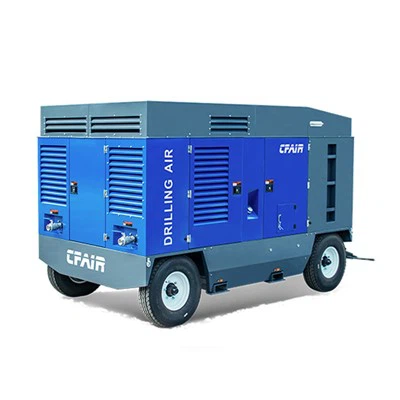
When it comes to industrial equipment, oil-free air compressors have gained significant popularity due to their numerous advantages. As a leading supplier of oil-free air compressors, I often encounter questions from customers about the noise level standards for these machines. In this blog post, I will delve into the details of noise level standards for oil-free air compressors, explaining why they matter and how they impact various applications.
Understanding Noise Level Standards
Noise level standards are crucial for ensuring a safe and comfortable working environment. In the context of oil-free air compressors, these standards are established to limit the amount of noise that the equipment can produce during operation. Excessive noise can not only cause discomfort to workers but also lead to long-term hearing damage. Therefore, adhering to noise level standards is not only a legal requirement in many regions but also a moral obligation to protect the well-being of employees.
The most common unit used to measure noise levels is the decibel (dB). The decibel scale is logarithmic, which means that a small increase in decibels represents a significant increase in sound intensity. For example, a noise level of 80 dB is ten times more intense than a noise level of 70 dB. The World Health Organization (WHO) recommends that continuous exposure to noise levels above 85 dB should be limited to avoid hearing damage.
Noise Level Standards for Oil-Free Air Compressors
The noise level standards for oil-free air compressors vary depending on the type of compressor, its size, and the application. In general, the noise level of an oil-free air compressor can range from as low as 50 dB to as high as 90 dB or more. Here are some factors that can influence the noise level of an oil-free air compressor:


- Compressor Type: Different types of oil-free air compressors have different noise characteristics. For example, reciprocating compressors tend to be noisier than rotary screw compressors due to their piston-driven operation. On the other hand, scroll compressors are known for their quiet operation, making them a popular choice for applications where noise is a concern.
- Compressor Size: Larger compressors generally produce more noise than smaller ones. This is because they have more moving parts and require more power to operate. However, advancements in compressor technology have allowed manufacturers to reduce the noise levels of larger compressors significantly.
- Application: The application of the oil-free air compressor can also affect its noise level requirements. For example, compressors used in medical facilities or laboratories need to operate quietly to avoid disturbing patients or interfering with sensitive equipment. In contrast, compressors used in industrial settings may be able to tolerate higher noise levels.
Meeting Noise Level Standards
As a supplier of oil-free air compressors, we understand the importance of meeting noise level standards. That's why we offer a wide range of compressors that are designed to operate quietly without compromising on performance. Our Medium Pressure Compressor is a prime example of a high-quality compressor that meets strict noise level standards. With advanced noise reduction technology, this compressor can operate at a noise level as low as 65 dB, making it suitable for a variety of applications.
In addition to offering quiet compressors, we also provide installation and maintenance services to ensure that our customers' compressors operate at optimal noise levels. Our team of experienced technicians can help you choose the right compressor for your application and install it correctly to minimize noise. We also offer regular maintenance services to keep your compressor running smoothly and quietly.
Benefits of Quiet Oil-Free Air Compressors
Investing in a quiet oil-free air compressor offers several benefits for businesses. Here are some of the key advantages:
- Improved Workplace Safety: By reducing noise levels, quiet compressors can help create a safer working environment for employees. This can reduce the risk of hearing damage and other noise-related health problems.
- Enhanced Productivity: Excessive noise can be a distraction for workers, leading to decreased productivity. Quiet compressors can help minimize distractions and allow employees to focus on their tasks more effectively.
- Compliance with Regulations: Many regions have strict noise level regulations that businesses must comply with. By using quiet compressors, businesses can ensure that they are meeting these regulations and avoid potential fines or legal issues.
- Better Customer Experience: In industries such as hospitality and healthcare, noise can have a significant impact on the customer experience. Quiet compressors can help create a more comfortable and pleasant environment for customers, leading to increased satisfaction and loyalty.
Conclusion
In conclusion, noise level standards are an important consideration when choosing an oil-free air compressor. As a supplier of high-quality compressors, we are committed to providing our customers with products that meet strict noise level standards without compromising on performance. Our Compressor Oil Free and Free Oil Compressor models are designed to operate quietly and efficiently, making them suitable for a wide range of applications.
If you are in the market for an oil-free air compressor and have questions about noise level standards or our products, please don't hesitate to contact us. Our team of experts is here to help you choose the right compressor for your needs and provide you with the support and service you deserve. Let's work together to find the perfect solution for your business.
References
- World Health Organization. (2018). Guidelines for community noise. Geneva: World Health Organization.
- Compressed Air and Gas Institute. (2021). Noise control in compressed air systems. Retrieved from [Insert URL if available]
- Pneumatics Online. (2022). Understanding noise levels in air compressors. Retrieved from [Insert URL if available]