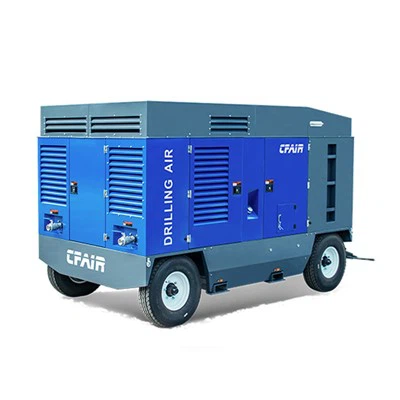
Hey there! As a supplier of large air compressors, I often get asked about the noise level standards for these big machines. It's a crucial topic, especially considering the impact of noise on the working environment and the surrounding community. So, let's dive right in and explore what the noise level standards for large air compressors are all about.
First off, why do we even care about noise levels? Well, excessive noise can cause a whole bunch of problems. For workers, it can lead to hearing loss over time, which is a serious health issue. It can also be a major distraction, reducing productivity and increasing the risk of accidents. And for those living or working nearby, the constant racket from a large air compressor can be a real nuisance. That's why there are standards in place to keep noise levels in check.
In different countries and regions, the noise level standards for large air compressors can vary. In the United States, for example, the Occupational Safety and Health Administration (OSHA) has set limits to protect workers from excessive noise exposure. OSHA requires that employers take steps to reduce noise levels if they exceed 90 decibels (dB) over an eight - hour workday. For large air compressors, this means that the manufacturers and users need to ensure that the noise emitted by the machines is within this limit.
In Europe, the situation is similar. The European Union has its own set of regulations regarding noise emissions. These regulations aim to protect both workers and the general public. They often require that air compressors are designed and built to meet certain noise level criteria. The specific limits can depend on the type of compressor, its size, and its intended use.


When it comes to large air compressors, there are a few factors that can affect the noise level. One of the main factors is the type of compressor. For instance, reciprocating compressors tend to be noisier than screw compressors. Reciprocating compressors work by using pistons to compress the air, and the back - and - forth motion of the pistons creates a lot of vibration and noise. On the other hand, screw compressors use two interlocking screws to compress the air, which generally results in a smoother and quieter operation.
Another factor is the size of the compressor. Larger compressors usually produce more noise simply because they have more powerful motors and larger components. The location of the compressor also matters. If it's placed in an enclosed space without proper sound insulation, the noise can bounce around and become even louder.
As a supplier of large air compressors, we understand the importance of meeting these noise level standards. That's why we offer a range of products that are designed to be as quiet as possible. Our Mobile Air Compressor is a great example. It's designed for easy transportation and can be used in various job sites. Despite its portability, we've made sure to incorporate noise - reducing features to keep the noise levels down.
Our Portable Diesel Air Compressors are also built with noise in mind. Diesel engines can be quite noisy, but we've used advanced technology to minimize the noise emissions. These compressors are perfect for outdoor applications where you need a reliable source of compressed air.
And then there's our Diesel Screw Air Compressor. Screw compressors are known for their efficiency and relatively low noise levels, and our diesel - powered version is no exception. It combines the power of a diesel engine with the quiet operation of a screw compressor, making it a great choice for many industrial applications.
To measure the noise level of an air compressor, there are specific tools and methods. Sound level meters are commonly used to measure the decibel level of the noise emitted by the compressor. These meters can give an accurate reading of the noise level at a certain distance from the compressor. It's important to measure the noise at different points around the compressor to get a full picture of its noise emissions.
If you're in the market for a large air compressor, it's essential to consider the noise level. You don't want to end up with a machine that disrupts your work environment or causes problems with your neighbors. When you're evaluating different models, ask the supplier about the noise level specifications. Reputable suppliers should be able to provide you with accurate information about the noise emissions of their products.
We also offer some tips on how to further reduce the noise from large air compressors. One simple thing you can do is to place the compressor on a vibration - absorbing pad. This can help to reduce the amount of noise that is transmitted through the floor. Another option is to install a sound enclosure around the compressor. These enclosures are designed to absorb and block the noise, effectively reducing the noise level in the surrounding area.
In addition to the legal requirements, there's also a growing trend towards quieter air compressors in the market. More and more customers are demanding products that are not only efficient but also quiet. This is because they understand the benefits of a quiet working environment, both for the health and well - being of their employees and for the overall productivity of the business.
As a supplier, we're constantly working on improving the noise - reducing features of our large air compressors. We invest in research and development to find new and better ways to make our products quieter without sacrificing performance. We also keep a close eye on the latest regulations and standards to ensure that our products are always compliant.
If you're interested in learning more about our large air compressors and how they meet the noise level standards, don't hesitate to reach out. We're here to answer all your questions and help you find the right compressor for your needs. Whether you're in a small workshop or a large industrial facility, we have the right solution for you. Contact us for a detailed discussion about your requirements, and let's start a conversation about how we can provide you with a high - quality, quiet air compressor.
References:
- Occupational Safety and Health Administration (OSHA) - Noise Standards
- European Union Regulations on Noise Emissions
- Industry reports on air compressor noise reduction technologies