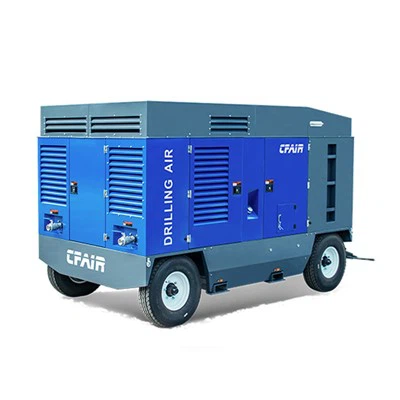
Hey there! As a supplier of Diesel Driven Compressors, I often get asked about the noise level of these machines. It's a crucial factor, especially for those who'll be using them in various settings, whether it's a construction site, a mining operation, or any other industrial application. So, let's dive right into it and figure out what the noise level of a diesel driven compressor is all about.
First off, what exactly is a diesel driven compressor? Well, it's a type of compressor that's powered by a diesel engine. These compressors are super popular because diesel engines are known for their durability, high torque, and the ability to run for long periods without a hitch. They're used to supply compressed air for a bunch of different tasks, like powering pneumatic tools, sandblasting, and even in some cases, for breathing air in certain industries.
Now, let's talk about noise. Noise is basically unwanted sound, and in the case of diesel driven compressors, it comes from a few different sources. The diesel engine itself is a major contributor. The combustion process inside the engine creates a lot of noise as the fuel burns and the pistons move up and down. The exhaust system also plays a big role. As the hot gases are expelled from the engine, they make a loud whooshing sound. And then there are the moving parts of the compressor, like the pistons, valves, and belts, which can also generate noise as they operate.


The noise level of a diesel driven compressor is usually measured in decibels (dB). Decibels are a logarithmic unit that measures the intensity of sound. A normal conversation is typically around 60 dB, while a lawnmower can be around 90 dB. Diesel driven compressors can have noise levels anywhere from 70 dB to over 100 dB, depending on a few factors.
One of the main factors that affects the noise level is the size and power of the compressor. Generally, larger and more powerful compressors tend to be noisier. This is because they have bigger engines and more moving parts, which create more sound. For example, a small 185 CFM Air Compressor might have a noise level of around 70 - 80 dB, while a large industrial - grade compressor could reach up to 100 dB or more.
The design of the compressor also matters. Compressors with better sound - insulation features are going to be quieter. Some manufacturers use special materials to line the compressor housing, which helps to absorb and dampen the noise. They might also design the exhaust system in a way that reduces the noise output. For instance, a well - designed muffler can significantly lower the noise coming from the exhaust.
The operating conditions can also impact the noise level. If the compressor is running at full load, it's likely to be noisier than when it's running at a partial load. Also, the environment where the compressor is placed can make a difference. If it's in an open area, the noise can spread out more easily. But if it's in a confined space, like a small shed, the noise can bounce off the walls and seem louder.
Now, why is the noise level such a big deal? Well, for one, excessive noise can be a health hazard. Prolonged exposure to high - level noise can cause hearing loss, tinnitus (ringing in the ears), and other health problems. That's why it's important for workers who are around diesel driven compressors to wear proper hearing protection, like earplugs or earmuffs.
From a practical perspective, noise can also be a nuisance. In a residential area, a noisy compressor can cause complaints from neighbors. And in a workplace, it can make communication difficult and reduce productivity.
As a supplier, we understand the importance of noise reduction. That's why we offer a range of Mobile Diesel Compressors and Mobile Air Compressors that are designed with noise reduction in mind. Our compressors are equipped with advanced sound - insulation materials and state - of - the - art mufflers to keep the noise level as low as possible.
We also provide detailed information about the noise level of each compressor model. So, when you're looking to buy a diesel driven compressor, you can make an informed decision based on your specific needs and the noise requirements of your application.
If you're in the market for a diesel driven compressor and want to know more about the noise levels of our products, or if you have any other questions, don't hesitate to reach out. We're here to help you find the right compressor for your job. Whether you're a small business owner, a contractor, or part of a large industrial operation, we've got the perfect solution for you.
Contact us to start a conversation about your compressor needs. We can discuss the different models, their noise levels, and how they can fit into your work environment. Let's work together to get you the best diesel driven compressor that meets all your requirements.
References
- "Industrial Noise Control and Acoustics" by Clarence E. Craver
- "Diesel Engine Handbook" by Horst Bauder