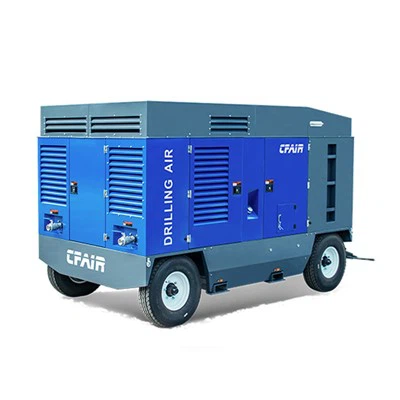
A diesel-driven compressor is a crucial piece of equipment in various industries, including construction, mining, and manufacturing. One of the most important aspects of its operation is the lubrication system. In this blog post, I'll delve into what the lubrication system of a diesel-driven compressor is, its components, functions, and why it's so vital. As a supplier of diesel-driven compressors, I have hands-on experience with these systems and can provide valuable insights.
Understanding the Basics of a Lubrication System
The lubrication system in a diesel-driven compressor is designed to reduce friction between moving parts, cool the components, and prevent wear and tear. Without proper lubrication, the compressor's performance would be severely compromised, leading to increased energy consumption, frequent breakdowns, and a shorter lifespan.
Components of the Lubrication System
- Oil Reservoir: This is the storage tank for the lubricating oil. It holds a sufficient amount of oil to ensure continuous operation of the compressor. The size of the oil reservoir depends on the compressor's size and capacity. A larger compressor typically requires a bigger reservoir to maintain adequate oil levels.
- Oil Pump: The oil pump is responsible for circulating the oil throughout the system. It draws oil from the reservoir and delivers it to the various parts of the compressor that need lubrication, such as the pistons, bearings, and crankshaft. The pump ensures a consistent flow of oil at the right pressure.
- Oil Filter: The oil filter plays a crucial role in maintaining the quality of the lubricating oil. It removes contaminants, such as dirt, metal particles, and carbon deposits, from the oil. Over time, these contaminants can accumulate and cause damage to the compressor's components. A high-quality oil filter helps to keep the oil clean and extends the life of the compressor.
- Oil Cooler: Compression generates heat, and the lubricating oil absorbs a significant amount of this heat. The oil cooler helps to dissipate this heat, preventing the oil from overheating. An overheated oil can lose its lubricating properties and cause excessive wear on the compressor's parts. The oil cooler can be air-cooled or water-cooled, depending on the compressor's design.
- Oil Pressure Regulator: This component maintains the proper oil pressure in the system. It ensures that the oil is delivered to the components at the correct pressure, neither too high nor too low. If the pressure is too high, it can cause leaks and damage to the seals. If the pressure is too low, the components may not receive sufficient lubrication.
Functions of the Lubrication System
- Friction Reduction: The primary function of the lubrication system is to reduce friction between moving parts. When two surfaces rub against each other, friction is generated, which can lead to wear and tear. The lubricating oil forms a thin film between the surfaces, reducing the direct contact and minimizing friction. This not only extends the life of the components but also improves the compressor's efficiency.
- Heat Dissipation: As mentioned earlier, compression generates heat. The lubricating oil absorbs this heat and transfers it to the oil cooler, where it is dissipated. This helps to keep the compressor's temperature within a safe operating range, preventing overheating and damage to the components.
- Contaminant Removal: The oil filter in the lubrication system removes contaminants from the oil. These contaminants can come from the air, fuel, or wear and tear of the components. By removing these contaminants, the oil filter helps to keep the oil clean and protects the compressor's components from damage.
- Sealing: The lubricating oil also helps to create a seal between the pistons and the cylinder walls. This prevents the compressed air from leaking past the pistons, ensuring efficient operation of the compressor.
Importance of a Well-Maintained Lubrication System
A well-maintained lubrication system is essential for the reliable and efficient operation of a diesel-driven compressor. Here are some reasons why:
- Extended Component Life: Proper lubrication reduces wear and tear on the compressor's components, extending their lifespan. This means fewer replacements and lower maintenance costs in the long run.
- Improved Efficiency: By reducing friction, the lubrication system helps the compressor to operate more efficiently. This results in lower energy consumption and cost savings.
- Reduced Downtime: A well-lubricated compressor is less likely to break down, reducing downtime and ensuring continuous operation. This is especially important in industries where downtime can result in significant losses.
- Enhanced Performance: The lubrication system helps to maintain the compressor's performance over time. It ensures that the compressor can deliver the required amount of compressed air at the right pressure.
Our Range of Diesel-Driven Compressors
As a supplier of diesel-driven compressors, we offer a wide range of products to meet the diverse needs of our customers. Our Diesel Air Compressor is designed for heavy-duty applications, providing reliable and efficient performance. If you're looking for a compressor that operates quietly, our Quiet Portable Air Compressor is an excellent choice. For large-scale operations, we have Large Air Compressors that can deliver high volumes of compressed air.
Conclusion
The lubrication system of a diesel-driven compressor is a complex and vital part of its operation. It ensures the smooth and efficient functioning of the compressor by reducing friction, dissipating heat, removing contaminants, and providing sealing. As a supplier, we understand the importance of a well-maintained lubrication system and offer compressors with high-quality lubrication components. If you're in the market for a diesel-driven compressor or need more information about our products, we encourage you to contact us for a purchase negotiation. Our team of experts is ready to assist you in finding the right compressor for your needs.


References
- Compressor Handbook by Klaus Brun and Eckard W. Marscher
- Industrial Air Compressor Systems: Selection, Operation, and Maintenance by Raymond J. Kilian