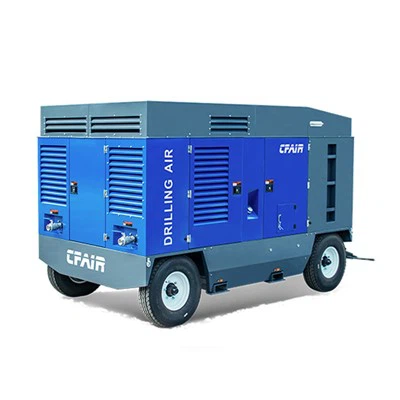
As a supplier of portable air compressors, I often get asked about the lifespan of these versatile machines. Understanding the factors that influence the lifespan of portable air compressors is crucial for both consumers and businesses looking to make a wise investment. In this blog post, I'll delve into the various elements that determine how long a portable air compressor can last, provide some general estimates, and offer tips on how to extend its operational life.
Factors Affecting the Lifespan of Portable Air Compressors
1. Build Quality and Brand
The build quality of a portable air compressor is perhaps the most significant factor affecting its lifespan. High - quality compressors are typically constructed with durable materials and superior engineering. Reputable brands invest in research and development to ensure their products are reliable and long - lasting. For example, they may use cast - iron cylinders instead of aluminum ones, which are more resistant to wear and tear. When you choose a well - known brand, you're more likely to get a compressor that can withstand the test of time.
2. Usage Frequency and Intensity
How often and how hard you use your portable air compressor has a direct impact on its lifespan. If you use it for light, occasional tasks such as inflating tires or powering small air tools, it will likely last longer than if it's used continuously for heavy - duty industrial applications. For instance, a contractor who uses a portable air compressor on a construction site every day for several hours will put more stress on the machine compared to a homeowner who only uses it a few times a year.
3. Maintenance
Proper maintenance is essential for extending the lifespan of any mechanical device, and portable air compressors are no exception. Regular maintenance tasks include changing the oil (if it's an oil - lubricated compressor), cleaning or replacing the air filter, checking and tightening bolts, and draining the moisture from the tank. Neglecting these maintenance steps can lead to premature wear, corrosion, and mechanical failures.


4. Operating Conditions
The environment in which the portable air compressor operates also plays a role in its lifespan. If it's used in a dirty, dusty environment, the air filter will clog more quickly, reducing the efficiency of the compressor and potentially causing damage to internal components. Extreme temperatures, both hot and cold, can also affect the performance and longevity of the compressor. For example, in very cold weather, the oil may thicken, making it difficult for the compressor to start and increasing the risk of damage.
General Lifespan Estimates
On average, a well - maintained portable air compressor can last anywhere from 10 to 15 years. However, this is a very general estimate, and the actual lifespan can vary significantly depending on the factors mentioned above.
- Light - duty Home Use: A portable air compressor used for light home tasks like inflating sports equipment and bicycle tires can last 15 years or more with proper maintenance. These compressors are usually smaller and less complex, and they don't experience as much wear and tear.
- Occasional Contractor Use: For contractors who use their portable air compressors on a part - time basis, such as for small renovation projects, the lifespan can be around 10 - 12 years. These compressors are often more powerful and may be subjected to more demanding conditions, but with regular maintenance, they can still have a relatively long life.
- Heavy - duty Industrial Use: In industrial settings where portable air compressors are used continuously for heavy - duty applications, the lifespan may be shorter, typically around 5 - 10 years. The constant high - pressure operation and exposure to harsh environments can take a toll on the machine.
Types of Portable Air Compressors and Their Lifespan Considerations
Mobile Diesel Compressor
Mobile Diesel Compressor are popular in construction and mining industries due to their high power and mobility. Diesel engines are generally more robust and can handle heavy loads. However, they also require more maintenance compared to electric compressors. The lifespan of a mobile diesel compressor can range from 8 to 12 years, depending on usage and maintenance. Regular oil changes, fuel filter replacements, and proper engine tuning are essential for keeping these compressors running smoothly.
Diesel Powered Air Compressor
Diesel Powered Air Compressor offer a good balance between power and portability. They are often used in remote locations where electricity is not available. Similar to mobile diesel compressors, their lifespan is influenced by the quality of the diesel engine and the frequency of use. With proper care, a diesel - powered air compressor can last 10 - 15 years. However, diesel engines are more complex and may require more specialized maintenance.
Industrial Portable Air Compressor
Industrial Portable Air Compressor are designed for heavy - duty applications in industrial settings. They are built to withstand continuous use and harsh conditions. These compressors are typically more expensive and are made with high - quality components. With regular maintenance, an industrial portable air compressor can last 10 - 15 years, but in some cases, with exceptional care and low - stress usage, they can even last longer.
Tips for Extending the Lifespan of Portable Air Compressors
- Follow the Manufacturer's Maintenance Schedule: This is the most important tip. The manufacturer knows the machine best and provides a detailed maintenance schedule in the user manual. Adhering to this schedule will ensure that all components are properly maintained.
- Keep the Compressor Clean: Regularly clean the exterior of the compressor to prevent dirt and debris from entering the machine. Also, make sure the air intake is clean and unobstructed.
- Use the Right Lubricants and Filters: Always use the lubricants and filters recommended by the manufacturer. Using the wrong type can lead to poor performance and damage to the compressor.
- Store the Compressor Properly: When not in use, store the compressor in a dry, clean place. If it's going to be stored for an extended period, follow the manufacturer's instructions for long - term storage, which may include draining the oil and moisture from the tank.
Conclusion
The lifespan of portable air compressors can vary widely depending on build quality, usage frequency, maintenance, and operating conditions. As a supplier, I recommend choosing a high - quality compressor from a reputable brand, following a strict maintenance schedule, and using the compressor within its intended capacity. Whether you're a homeowner, a contractor, or an industrial user, understanding these factors will help you get the most out of your portable air compressor.
If you're in the market for a portable air compressor or have any questions about their lifespan and maintenance, I encourage you to reach out. We're here to help you make an informed decision and ensure that you get a compressor that meets your needs and lasts for years to come.
References
- Compressed Air and Gas Institute (CAGI). "Best Practices for Portable Air Compressor Maintenance."
- Manufacturer's user manuals for various portable air compressors.