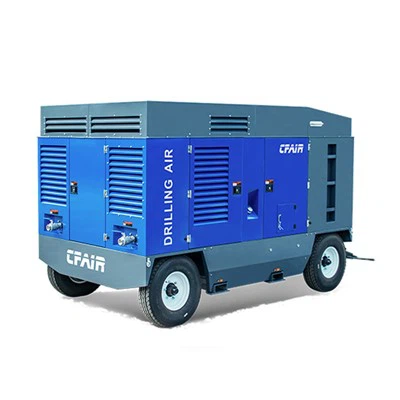
Hey there! As a supplier of Mobile Air Compressors, I've seen firsthand how temperature can mess with these machines' performance. In this blog, I'll break down the impact of temperature on mobile air compressors and share some tips to keep them running smoothly, no matter the weather.
How Temperature Affects Air Density
Let's start with the basics. Air density plays a huge role in how well a mobile air compressor works. When the temperature goes up, the air gets less dense. Think of it like this: on a hot day, the air molecules are moving around more and are more spread out. This means there are fewer air molecules in a given volume of air.
For a mobile air compressor, this is a big deal. The compressor's job is to take in air and compress it. When the air is less dense, there's less air to compress in the first place. So, the compressor has to work harder to achieve the same level of compression. This can lead to a decrease in the compressor's efficiency and output.
On the flip side, when the temperature drops, the air gets denser. There are more air molecules in a given volume, which means the compressor has more air to work with. This can actually improve the compressor's performance, as it can achieve higher compression levels with less effort.
Impact on Engine Performance
Most mobile air compressors are powered by engines, either gasoline or diesel. Temperature can have a significant impact on engine performance, which in turn affects the compressor.
In hot weather, engines can overheat more easily. The high temperatures can cause the engine coolant to evaporate more quickly, leading to a higher risk of overheating. When an engine overheats, it can lose power and efficiency. This means the compressor won't be able to operate at its full capacity.
Cold weather also poses challenges for engines. In extremely cold temperatures, the engine oil can thicken, making it harder for the engine to turn over. The battery can also lose its charge more quickly in cold weather, which can make it difficult to start the engine. And once the engine is running, it may take longer to reach its optimal operating temperature, which can affect its performance.
Effects on Lubrication
Lubrication is crucial for the smooth operation of a mobile air compressor. The moving parts inside the compressor need to be properly lubricated to reduce friction and wear. Temperature can have a big impact on the effectiveness of the lubricant.
In hot weather, the lubricant can thin out. This means it may not provide as much protection for the moving parts. The thinner lubricant can also leak more easily, which can lead to a loss of lubrication and increased wear on the compressor.
Cold weather can cause the lubricant to thicken. When the lubricant is too thick, it may not flow properly to all the moving parts. This can lead to increased friction and wear, and can even cause the compressor to seize up.
Condensation Issues
Temperature changes can also lead to condensation inside the air compressor. When warm, moist air is compressed and then cools down, water vapor can condense into liquid water. This water can cause a number of problems for the compressor.


Water in the compressor can corrode the internal components, leading to rust and damage. It can also contaminate the lubricant, reducing its effectiveness. And if the water freezes in cold weather, it can cause even more damage to the compressor.
Tips to Mitigate Temperature Effects
So, what can you do to keep your mobile air compressor running well in different temperatures? Here are some tips:
-
Hot Weather:
- Make sure the compressor has proper ventilation. This will help prevent overheating.
- Check the engine coolant level regularly and top it up if necessary.
- Use a high-quality lubricant that is designed for high temperatures.
- Drain the moisture from the compressor regularly to prevent condensation issues.
-
Cold Weather:
- Use a block heater to pre - heat the engine before starting it. This will make it easier to start the engine and reduce wear on the components.
- Use a low - viscosity lubricant that is designed for cold temperatures.
- Keep the battery charged and consider using a battery warmer.
- Insulate the compressor if possible to help maintain a more stable temperature.
Our Product Range and Temperature Resistance
At our company, we offer a wide range of mobile air compressors, including Engine Driven Air Compressor, 185 CFM Air Compressor, and Mobile Diesel Air Compressor. Our compressors are designed to perform well in a variety of temperature conditions.
We use high - quality materials and advanced engineering to ensure that our compressors can handle extreme temperatures. Our engines are built to be reliable in both hot and cold weather, and our lubrication systems are designed to work effectively at different temperatures.
Contact Us for Your Compressor Needs
If you're in the market for a mobile air compressor, or if you have any questions about how temperature affects compressor performance, don't hesitate to reach out. We're here to help you find the right compressor for your needs and provide you with all the support you need to keep it running smoothly. Whether you're working in a hot desert or a cold mountain environment, we've got you covered.
References
- ASME (American Society of Mechanical Engineers). "Thermodynamics and Heat Transfer in Compressors."
- Compressed Air and Gas Institute. "Best Practices for Compressor Operation in Extreme Temperatures."