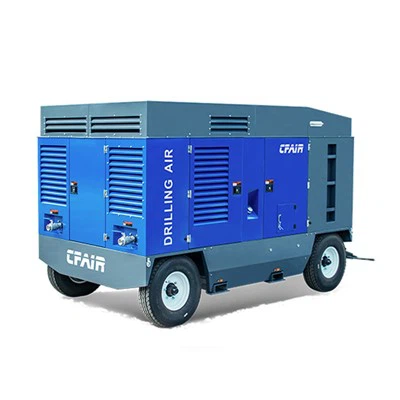
Humidity, often overlooked, plays a significant role in the performance and longevity of compressors used for blasting operations. As a trusted supplier of compressors for blasting, I have witnessed firsthand the various effects of humidity on these crucial machines. In this blog, I will delve into the scientific aspects of how humidity impacts a compressor for blasting and discuss the implications for operators and businesses.
The Basics of Compressors for Blasting
Before we explore the impact of humidity, let's briefly understand what a compressor for blasting is. These compressors are designed to provide a high - pressure stream of air that is essential for abrasive blasting processes. Abrasive blasting is used in a variety of applications, such as surface preparation for painting, removing rust, and cleaning industrial equipment.
The compressor takes in ambient air, compresses it, and then delivers it to the blasting equipment at the required pressure. The efficiency of this process is crucial for the quality of the blasting operation. A well - functioning compressor ensures a consistent and powerful air supply, which in turn leads to better blasting results.
How Humidity Affects Compressor Performance
1. Reduced Air Quality
Humidity refers to the amount of water vapor present in the air. When a compressor takes in humid air, it also compresses the water vapor along with the air. As the air is compressed, the water vapor condenses into liquid water. This can lead to several issues.
Firstly, the presence of water in the compressed air can contaminate the abrasive materials used in the blasting process. For example, in sandblasting, wet sand can clump together, leading to uneven blasting and reduced efficiency. The water can also cause corrosion of the blasting equipment, including the nozzles and hoses, which are in direct contact with the compressed air and abrasive mixture.
Secondly, the water in the compressed air can affect the surface being blasted. If the surface is wet due to the water in the compressed air, it can prevent proper adhesion of coatings or paints applied after the blasting process. This can result in a poor - quality finish and may require additional surface preparation steps.


2. Increased Wear and Tear
The condensed water in the compressor can cause increased wear and tear on its internal components. The water can mix with the lubricating oil in the compressor, reducing its effectiveness. Lubrication is essential for reducing friction between moving parts, such as pistons and cylinders. When the oil is contaminated with water, it cannot provide the same level of protection, leading to increased friction and wear.
This increased wear can lead to a shorter lifespan of the compressor components. For example, the pistons may start to wear out more quickly, resulting in reduced compression efficiency and increased energy consumption. In severe cases, it can even lead to component failure, which can be costly to repair or replace.
3. Decreased Compression Efficiency
Humid air is less dense than dry air. When a compressor tries to compress humid air, it has to work harder to achieve the same pressure as it would with dry air. This is because the water vapor in the air takes up space and reduces the amount of actual air molecules that can be compressed.
The compressor's motor has to consume more energy to overcome the resistance caused by the water vapor in the air. This not only increases the operating costs but also puts additional stress on the compressor's motor and other components. Over time, this can lead to overheating and premature failure of the compressor.
Mitigating the Impact of Humidity
1. Air Dryers
One of the most effective ways to mitigate the impact of humidity is to use air dryers. Air dryers remove the moisture from the compressed air before it reaches the blasting equipment. There are different types of air dryers available, such as refrigerated dryers and desiccant dryers.
Refrigerated dryers work by cooling the compressed air, causing the water vapor to condense. The condensed water is then removed from the system. Desiccant dryers, on the other hand, use a desiccant material to absorb the moisture from the air. These dryers can achieve very low levels of humidity in the compressed air.
2. Regular Maintenance
Regular maintenance of the compressor is crucial to ensure its optimal performance in humid conditions. This includes checking and changing the lubricating oil regularly to prevent water contamination. The air filters should also be inspected and replaced as needed to ensure that the compressor is taking in clean air.
In addition, the compressor's cooling system should be maintained to prevent overheating, especially when it is working harder to compress humid air. Regular inspections of the internal components can help detect any signs of wear or damage early, allowing for timely repairs.
Our Compressor Solutions
As a supplier of compressors for blasting, we understand the challenges posed by humidity. That's why we offer a range of high - quality compressors that are designed to perform well in various environmental conditions.
Our Compressor Machine for Construction is a versatile option that can be used in construction sites where blasting operations are often carried out. It is built with sturdy components that can withstand the rigors of continuous use, even in humid environments.
For those who need a more powerful solution, our Biggest Portable Air Compressor provides a high - volume air supply. It is designed with advanced technology to minimize the impact of humidity on its performance.
We also offer High - Power Dual Portable Air Compressors that can be used in large - scale blasting operations. These compressors are equipped with efficient air - drying systems to ensure that the compressed air is dry and of high quality.
Contact Us for Purchase and Consultation
If you are in the market for a compressor for blasting or need more information on how to deal with the impact of humidity on your existing compressor, we are here to help. Our team of experts can provide you with detailed advice on the best compressor solutions for your specific needs. Whether you are a small - scale contractor or a large industrial company, we have the right compressor for you. Contact us today to start a discussion about your requirements and explore our range of products.
References
- ASHRAE Handbook - Fundamentals. American Society of Heating, Refrigerating and Air - Conditioning Engineers.
- Compressed Air and Gas Handbook. Ingersoll Rand.
- Blasting and Coating Technology Handbook. Society for Protective Coatings.