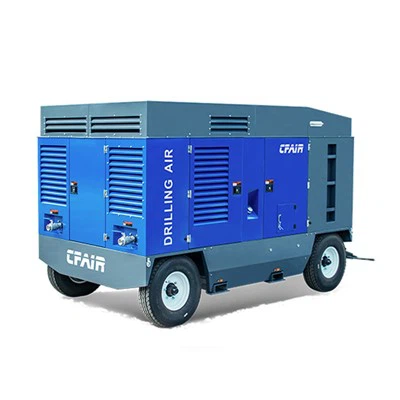
Hey there! As a supplier of Screw Compressors, I've seen firsthand how the size of a compressor can make a world of difference in its performance. Today, I'm gonna break down the impact of compressor size on how well it does its job, and why it matters for your specific needs.
Let's start with the basics. When we talk about compressor size, we're not just talking about its physical dimensions. Sure, the actual size of the unit is important, but more crucially, we're referring to its capacity. Capacity is usually measured in cubic feet per minute (CFM), which tells you how much air the compressor can deliver at a given pressure. Think of it like the engine of a car – the bigger the engine, the more power it can generate.
Air Delivery and Efficiency
One of the most significant impacts of compressor size is on air delivery. A larger compressor, with a higher CFM rating, can deliver more air in a shorter amount of time. This is crucial for applications that require a continuous and high - volume supply of compressed air. For example, in a construction site, pneumatic tools like jackhammers and nail guns need a steady stream of air to operate efficiently. A Compressor In Construction that's too small will struggle to keep up with the demand, leading to slower work and potential tool damage.
On the other hand, a compressor that's too large for the job can be inefficient. It will consume more energy than necessary to run, which means higher operating costs. You see, compressors work by taking in air, compressing it, and then storing it in a tank. A large compressor will fill the tank quickly, but if the demand for compressed air is low, it will keep cycling on and off. This constant starting and stopping not only wastes energy but also puts more wear and tear on the compressor components.
Pressure and Performance
Compressor size also affects the pressure it can maintain. In general, larger compressors can maintain higher pressures more consistently. Pressure is measured in pounds per square inch (PSI), and different applications require different PSI levels. For instance, a spray painting gun might need around 30 - 60 PSI, while an industrial air - powered grinder could require 90 - 120 PSI.
If you choose a compressor that's too small to reach and maintain the required pressure, your tools won't work as effectively. The paint won't spray evenly, or the grinder won't spin at the right speed. A 185 CFM Air Compressor is often a good choice for medium - to high - pressure applications. It can deliver a sufficient amount of air at the right pressure to keep your tools running smoothly.


Noise and Portability
Another aspect to consider is the noise level and portability, which are also related to compressor size. Smaller compressors are generally quieter and more portable. If you're working in a residential area or need to move the compressor around a lot, a Quiet Portable Air Compressor might be the way to go. These compressors are designed to be lightweight and easy to transport, and they produce less noise, which is great for both you and your neighbors.
However, smaller compressors usually have lower CFM and PSI ratings. So, if you need to power multiple tools simultaneously or use high - demand tools, you'll likely need a larger, more powerful compressor. But don't worry, modern larger compressors are getting better at reducing noise levels, so you don't have to sacrifice too much in terms of quiet operation.
Heat Generation
Heat is a by - product of the compression process. Larger compressors generate more heat because they're working harder to compress more air. Excessive heat can be a problem as it can reduce the efficiency of the compressor and shorten the lifespan of its components. To combat this, larger compressors often come with more advanced cooling systems, such as larger radiators or oil - cooled designs.
Smaller compressors, on the other hand, generate less heat. They can often rely on simpler cooling methods, like natural air circulation. But if you run a small compressor continuously at high loads, it can still overheat. So, it's important to choose a compressor size that matches your usage patterns to avoid overheating issues.
Cost Considerations
Cost is always a factor when choosing a compressor. Larger compressors are generally more expensive to purchase upfront. They also require more maintenance and consume more energy, which adds to the long - term costs. However, if you have a high - demand application, the investment in a larger compressor can pay off in the long run. It will allow you to work more efficiently and complete jobs faster, which can increase your productivity and profitability.
Smaller compressors are more affordable initially, and they have lower operating costs. But if you try to use a small compressor for a large - scale job, you might end up spending more in the long run due to inefficiencies and potential tool damage.
Matching the Compressor Size to Your Needs
So, how do you choose the right compressor size for your needs? First, you need to assess the air requirements of your tools or applications. Make a list of all the pneumatic tools you'll be using and note their CFM and PSI requirements. Then, add up the CFM requirements to get an idea of the total air demand.
If you're using multiple tools at the same time, you'll need a compressor with a CFM rating that can meet or exceed the combined demand. Also, consider the peak demand. Some tools, like impact wrenches, have a high - demand spike when they're first started. Your compressor should be able to handle these spikes without losing pressure.
Next, think about your working environment. If you're working in a confined space or a noise - sensitive area, a smaller, quieter compressor might be the best option. If you're on a large construction site or an industrial facility, a larger compressor will likely be more suitable.
Conclusion
In conclusion, the size of a compressor has a significant impact on its performance. From air delivery and pressure to noise, heat generation, and cost, every aspect is affected by the compressor's size. As a supplier of Screw Compressors, I can help you find the perfect compressor size for your specific needs. Whether you're a small - scale contractor or a large industrial operation, we have a wide range of compressors to choose from.
If you're still unsure about which compressor size is right for you, don't hesitate to reach out. We can provide you with expert advice and guidance to ensure you make the best decision. Contact us to start a discussion about your requirements and let's find the ideal compressor for your job.
References
- Compressed Air and Gas Institute (CAGI) - Standards and guidelines on compressor performance.
- Manufacturer's manuals for various screw compressors.
- Industry research reports on the impact of compressor size on performance.