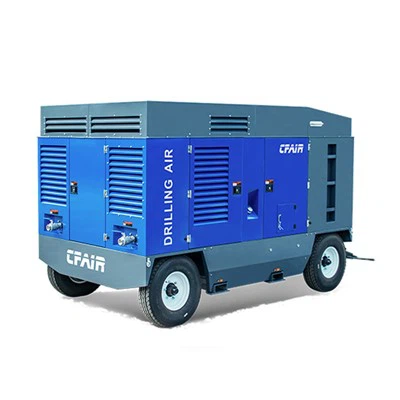
Yo, what's up everyone! I'm a supplier of pneumatic tools, and today I wanna take you on a wild ride through the history of these bad - ass tools. Pneumatic tools, for those who don't know, are tools that are powered by compressed air. They've come a long way since their humble beginnings, and I'm stoked to share their story with you.
Let's start way back in the day. The concept of using compressed air for power isn't exactly new. Ancient civilizations like the Greeks and Romans were aware of air pressure, but they didn't really use it to power tools. It wasn't until the 17th century that things started to get interesting. Scientists and inventors began to experiment with air pumps and the idea of harnessing air pressure.


In 1650, Otto von Guericke, a German scientist, invented the first air pump. This was a major breakthrough because it allowed people to create a vacuum and understand the principles of air pressure better. However, it would be a long time before this knowledge was applied to the development of practical tools.
Fast forward to the 19th century, and we see the real birth of pneumatic tools. With the Industrial Revolution in full swing, there was a huge demand for more efficient and powerful tools. In 1871, Samuel Ingersoll, an American inventor, patented the first pneumatic drill. This was a game - changer. Before the pneumatic drill, drilling holes in hard materials like metal and rock was a slow and labor - intensive process. The pneumatic drill used compressed air to drive a piston, which in turn rotated the drill bit. This made drilling much faster and easier.
As the years went on, more and more pneumatic tools were developed. The mining industry was one of the first to really embrace these tools. Miners needed to break up large rocks quickly and efficiently, and pneumatic hammers were the answer. These hammers used compressed air to drive a chisel - like bit into the rock, breaking it apart.
In the early 20th century, the automotive industry also started using pneumatic tools. Mechanics found that pneumatic wrenches were much faster and more powerful than traditional hand - held wrenches. They could quickly loosen and tighten bolts, which made car assembly and repair a whole lot easier.
Now, let's talk about some of the specific types of pneumatic tools that are out there today. One of the most popular ones is the Pneumatic Jack Hammer. These are used in construction and demolition work. They're great for breaking up concrete, asphalt, and other hard surfaces. The way they work is pretty simple. Compressed air is fed into the tool, which then drives a piston up and down. The piston strikes a chisel or a bit at the end of the tool, creating a powerful hammering action.
Another cool pneumatic tool is the Air Powered Demolition Hammer. Similar to the pneumatic jack hammer, but it's usually more heavy - duty. It's designed to break up large structures like walls and foundations. These hammers are often used in big construction projects where you need to quickly and efficiently demolish old buildings.
And then there's the Jack Hammer Gas Powered. While it's not strictly a pneumatic tool (it uses a gas engine), it's often used in similar applications. Gas - powered jack hammers are great for jobs where you don't have access to a compressed air source. They're portable and can be used in remote locations.
Over the years, pneumatic tools have continued to evolve. They've become more powerful, more efficient, and more reliable. Modern pneumatic tools are also much safer to use than their predecessors. They have better ergonomic designs, which reduce the risk of injury to the user. And with advances in technology, the maintenance requirements for these tools have also been reduced.
One of the reasons why pneumatic tools are so popular is their cost - effectiveness. Compressed air is relatively cheap to produce, especially when compared to electricity or gasoline. This means that using pneumatic tools can save you a lot of money in the long run. They're also very durable. With proper maintenance, a good quality pneumatic tool can last for many years.
As a pneumatic tools supplier, I've seen firsthand how these tools have changed the way people work. Whether it's a small - scale DIY project or a large - scale industrial job, pneumatic tools are always a great choice. They offer a combination of power, efficiency, and reliability that's hard to beat.
If you're in the market for pneumatic tools, whether it's for a one - time project or for your business, I'd love to have a chat with you. We've got a wide range of high - quality pneumatic tools that are sure to meet your needs. Just reach out, and we can start talking about the best tools for your specific situation.
In conclusion, the history of pneumatic tools is a long and fascinating one. From their humble beginnings in the 19th century to the high - tech tools we have today, they've played a crucial role in the development of industries around the world. Whether you're a construction worker, a mechanic, or a DIY enthusiast, there's a pneumatic tool out there for you. So, don't hesitate to get in touch if you're interested in purchasing some top - notch pneumatic tools.
References
- "The History of Pneumatic Tools" - Industrial Tooling Magazine
- "Pneumatic Technology: Past, Present, and Future" - Journal of Engineering and Technology
- "The Impact of Pneumatic Tools on the Industrial Revolution" - Historical Engineering Review