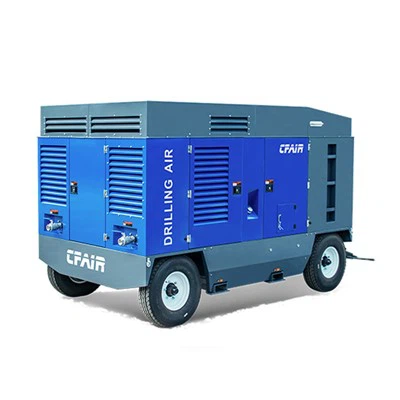
Hey there! As a supplier of Compressor Portable, I often get asked about the compression ratio of these nifty machines. So, I thought I'd take a deep dive into this topic and share everything you need to know.
First off, let's talk about what compression ratio actually means. In simple terms, the compression ratio of a compressor is the ratio of the absolute discharge pressure to the absolute suction pressure. It's a key metric that tells you how much the compressor can squeeze the air or gas it's working with.
For Compressor Portable, the compression ratio plays a crucial role in determining its performance. A higher compression ratio generally means that the compressor can deliver more pressure, which is great for tasks that require a lot of force, like powering heavy - duty pneumatic tools. On the other hand, a lower compression ratio might be more suitable for lighter tasks where you don't need as much pressure.
Now, the compression ratio of Compressor Portable can vary quite a bit depending on the type and model. For example, our Industrial Portable Air Compressor is designed for tough industrial jobs. These bad boys usually have a relatively high compression ratio, often in the range of 7:1 to 10:1. This high ratio allows them to generate enough pressure to run large - scale pneumatic equipment, such as jackhammers, sandblasters, and industrial spray guns.
The high compression ratio in industrial compressors is achieved through a combination of factors. The design of the compressor's pistons, cylinders, and valves is optimized to compress the air efficiently. The pistons are usually made of high - strength materials that can withstand the high pressures generated during the compression process. The cylinders are precisely machined to ensure a tight fit, minimizing air leakage and maximizing compression efficiency.
On the other hand, our Engine Drive Air Compressor is a popular choice for on - the - go applications. These compressors are powered by an engine, which gives them the flexibility to be used in remote locations where there's no access to electricity. The compression ratio of engine - drive compressors typically falls in the range of 5:1 to 8:1.
The slightly lower compression ratio in engine - drive compressors is a trade - off for other benefits. Since they're designed to be portable and run on an engine, they need to balance power output with fuel efficiency and portability. A lower compression ratio means the compressor doesn't have to work as hard, which can lead to better fuel economy and less wear and tear on the engine.
If you're looking for a compressor that won't wake up the neighbors, our Quiet Portable Air Compressor is the way to go. These compressors are engineered to operate quietly while still delivering decent performance. The compression ratio of quiet portable compressors is usually around 4:1 to 6:1.
The lower compression ratio in quiet compressors helps reduce the noise level. When the compressor doesn't have to compress the air as much, there's less vibration and noise generated during the compression process. Additionally, these compressors are often equipped with noise - reducing features, such as sound - insulating enclosures and vibration - dampening mounts.
It's important to note that the compression ratio isn't the only factor that determines the performance of a Compressor Portable. Other factors, such as the compressor's displacement, horsepower, and the type of compressor (reciprocating, rotary screw, etc.), also play a significant role.
Displacement refers to the volume of air that the compressor can move in a given amount of time. A compressor with a larger displacement can deliver more air, which is important for applications that require a continuous supply of compressed air. Horsepower, on the other hand, determines the power of the compressor's motor or engine. A higher - horsepower compressor can generally deliver more pressure and air volume.


The type of compressor also affects its performance. Reciprocating compressors, for example, use pistons to compress the air. They're known for their high - pressure capabilities and are often used in industrial applications. Rotary screw compressors, on the other hand, use two rotating screws to compress the air. They're more efficient and can deliver a continuous supply of compressed air, making them a popular choice for larger - scale operations.
When choosing a Compressor Portable, it's essential to consider your specific needs. If you're working on a small DIY project at home, a quiet portable compressor with a lower compression ratio might be all you need. But if you're running a large industrial operation, you'll probably need an industrial portable compressor with a higher compression ratio.
So, how do you determine the right compression ratio for your needs? Well, it depends on the tools and equipment you'll be using. If you're using tools that require a high pressure, like a high - pressure paint sprayer or a large - bore pneumatic cylinder, you'll need a compressor with a higher compression ratio. If you're using lighter - duty tools, such as a nail gun or a small airbrush, a compressor with a lower compression ratio will suffice.
In conclusion, the compression ratio of Compressor Portable is a critical factor that affects its performance and suitability for different applications. Whether you need a high - pressure industrial compressor, a portable engine - drive compressor, or a quiet compressor for home use, we've got you covered.
If you're interested in learning more about our Compressor Portable or have any questions about compression ratios, feel free to reach out. We're always here to help you find the perfect compressor for your needs. Let's start a conversation and see how we can make your work easier and more efficient with the right Compressor Portable.
References
- Compressor Handbook: A Guide to Compressor Technology and Applications
- Pneumatic Systems and Tools: Principles and Practices