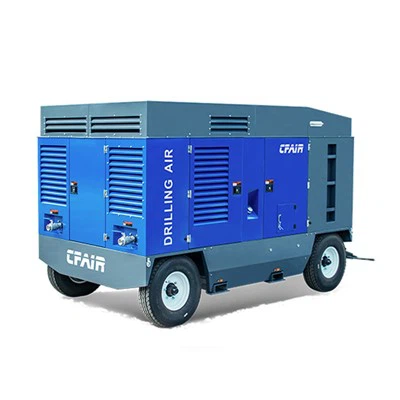
As a supplier of oil-free air compressors, I often get asked about the air quality output of these remarkable machines. In this blog post, I'll delve into the details of what makes the air quality from an oil-free air compressor unique, its benefits, and how it compares to other types of compressors.
Understanding the Basics of Oil-Free Air Compressors
Oil-free air compressors, as the name suggests, operate without the use of oil in the compression chamber. This is a significant departure from traditional oil-lubricated compressors, which rely on oil to reduce friction, seal gaps, and dissipate heat. The absence of oil in the compression process has a profound impact on the quality of the compressed air produced.
There are several types of oil-free air compressors available, including Oil Free Compressor, Oil-Free Rotary Screw Air Compressor, and Oilless Screw Compressor. Each type has its own unique design and operating principles, but they all share the common goal of producing clean, oil-free compressed air.


The Importance of Air Quality
The quality of compressed air is crucial in many industrial and commercial applications. Contaminated air can cause a range of problems, including equipment damage, product contamination, and reduced efficiency. In industries such as food and beverage, pharmaceuticals, electronics, and automotive manufacturing, the use of clean, oil-free compressed air is essential to ensure product quality and compliance with strict regulatory standards.
For example, in the food and beverage industry, compressed air is used for a variety of purposes, including packaging, filling, and conveying. Any oil or other contaminants in the compressed air could contaminate the food products, leading to spoilage, health risks, and costly recalls. Similarly, in the pharmaceutical industry, clean compressed air is required for the production of drugs and medical devices to prevent contamination and ensure patient safety.
Air Quality Output of Oil-Free Air Compressors
The air quality output of an oil-free air compressor is typically much higher than that of an oil-lubricated compressor. Since there is no oil in the compression chamber, there is no risk of oil carryover into the compressed air. This means that the air produced by an oil-free air compressor is virtually free of oil and other contaminants, making it suitable for a wide range of applications.
In addition to being oil-free, the compressed air from an oil-free air compressor is also typically cleaner and drier than that from an oil-lubricated compressor. This is because oil-free compressors often incorporate advanced filtration and drying systems to remove moisture, dust, and other impurities from the air. As a result, the compressed air is of a higher quality and can be used in applications where clean, dry air is required.
Benefits of Using Oil-Free Air Compressors
There are several benefits to using oil-free air compressors, including:
- Improved Air Quality: As mentioned earlier, oil-free air compressors produce clean, oil-free compressed air, which is essential for many industrial and commercial applications.
- Reduced Maintenance: Since there is no oil in the compression chamber, there is no need for oil changes, oil filters, or other oil-related maintenance tasks. This can save time and money on maintenance costs.
- Lower Operating Costs: Oil-free air compressors are typically more energy-efficient than oil-lubricated compressors, which can result in lower operating costs over the long term.
- Environmentally Friendly: Oil-free air compressors are a more environmentally friendly option than oil-lubricated compressors, as they do not produce oil waste or emissions.
- Compliance with Regulatory Standards: In many industries, the use of clean, oil-free compressed air is required to comply with strict regulatory standards. Oil-free air compressors can help businesses meet these requirements and avoid costly fines and penalties.
Comparing Oil-Free and Oil-Lubricated Compressors
While oil-free air compressors offer many benefits, they are not always the best choice for every application. Oil-lubricated compressors are often more suitable for applications where high pressure and high flow rates are required, as they can provide greater power and efficiency. However, they also require more maintenance and produce contaminated air, which can be a problem in some applications.
When choosing between an oil-free and an oil-lubricated compressor, it is important to consider the specific requirements of your application. If you need clean, oil-free compressed air for a sensitive application, such as food and beverage or pharmaceuticals, then an oil-free air compressor is likely the best choice. On the other hand, if you need high pressure and high flow rates for a less sensitive application, such as general industrial use, then an oil-lubricated compressor may be more suitable.
Conclusion
In conclusion, the air quality output of an oil-free air compressor is typically much higher than that of an oil-lubricated compressor. The absence of oil in the compression chamber means that the air produced by an oil-free air compressor is virtually free of oil and other contaminants, making it suitable for a wide range of applications. In addition to improved air quality, oil-free air compressors also offer several other benefits, including reduced maintenance, lower operating costs, and environmental friendliness.
If you are in the market for an air compressor and need clean, oil-free compressed air, then I encourage you to consider an oil-free air compressor. As a supplier of oil-free air compressors, I have the expertise and experience to help you choose the right compressor for your specific needs. Contact me today to learn more about our products and services and to discuss your air compressor requirements.
References
- Compressed Air and Gas Institute (CAGI). (n.d.). Understanding Compressed Air Quality. Retrieved from [CAGI website]
- International Organization for Standardization (ISO). (2010). ISO 8573-1:2010 Compressed air - Part 1: Contaminants and purity classes. Geneva, Switzerland: ISO.
- US Environmental Protection Agency (EPA). (n.d.). Compressed Air Systems. Retrieved from [EPA website]