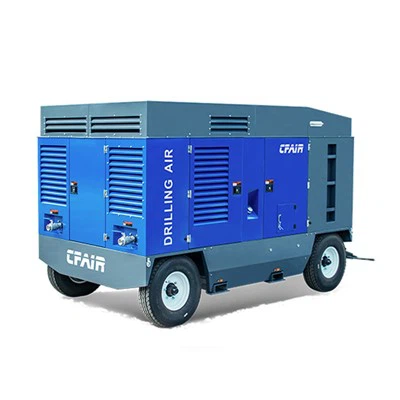
As a seasoned supplier of Stage V air compressors, I've witnessed firsthand the transformative impact these machines have on various industries. One topic that often comes up in discussions with clients is air pulsation. In this blog post, I'll delve into what air pulsation is in Stage V air compressors, its implications, and how we, as a supplier, address this phenomenon to ensure optimal performance.
Understanding Air Pulsation
Air pulsation refers to the cyclic variation in air pressure and flow rate within the air compressor system. It occurs due to the intermittent nature of the compression process. In a reciprocating compressor, for example, the piston moves back and forth, creating a series of pressure pulses as it compresses and discharges the air. These pressure pulses can cause vibrations, noise, and even damage to the compressor and the connected piping system if not properly managed.
In Stage V air compressors, which are designed to meet the latest emission standards and offer high efficiency and reliability, air pulsation can still be a concern. The advanced design and technology of these compressors may introduce new factors that affect air pulsation, such as the use of variable speed drives and advanced control systems.
Causes of Air Pulsation in Stage V Air Compressors
There are several factors that contribute to air pulsation in Stage V air compressors:


- Compression Cycle: As mentioned earlier, the intermittent compression process in reciprocating compressors is a major cause of air pulsation. Each time the piston compresses the air, it creates a pressure peak, followed by a pressure drop as the air is discharged.
- Valve Operation: The opening and closing of the intake and discharge valves in the compressor also contribute to air pulsation. The sudden change in flow direction and pressure when the valves open and close can create pressure waves that propagate through the system.
- System Configuration: The layout and design of the compressor system, including the length and diameter of the piping, the presence of bends and fittings, and the type of storage tank used, can all affect air pulsation. A poorly designed system can amplify the pressure pulses and cause more severe vibrations and noise.
- Load Variations: Changes in the demand for compressed air can also lead to air pulsation. When the load on the compressor suddenly increases or decreases, the compressor may respond by adjusting its speed or capacity, which can cause fluctuations in the air pressure and flow rate.
Implications of Air Pulsation
Air pulsation can have several negative implications for Stage V air compressors and the systems they are connected to:
- Vibrations and Noise: The pressure pulses generated by air pulsation can cause the compressor and the piping system to vibrate, which can lead to increased wear and tear on the components and reduce the lifespan of the equipment. Excessive vibrations can also cause noise pollution, which can be a nuisance to workers and nearby residents.
- Reduced Efficiency: Air pulsation can disrupt the smooth flow of air through the compressor system, resulting in increased energy consumption and reduced efficiency. The pressure fluctuations can cause the compressor to work harder than necessary, leading to higher operating costs.
- Component Damage: The repeated stress caused by air pulsation can damage the compressor valves, pistons, and other components, leading to premature failure and costly repairs. In severe cases, air pulsation can even cause the piping system to rupture, posing a safety hazard to workers.
Managing Air Pulsation in Stage V Air Compressors
As a supplier of Stage V air compressors, we take several measures to manage air pulsation and ensure the reliable and efficient operation of our equipment:
- Design Optimization: We use advanced computer-aided design (CAD) and computational fluid dynamics (CFD) techniques to optimize the design of our compressors and piping systems. By carefully selecting the compressor size, valve design, and piping layout, we can minimize air pulsation and reduce the risk of vibrations and noise.
- Pulsation Dampeners: We install pulsation dampeners in the compressor system to absorb and dampen the pressure pulses. These devices are typically made of a flexible material, such as rubber or metal, and are designed to expand and contract in response to the pressure changes, reducing the amplitude of the pressure waves.
- System Monitoring: We provide our customers with advanced monitoring systems that can detect and analyze air pulsation in real-time. These systems use sensors to measure the pressure and flow rate at various points in the compressor system and provide alerts if the pulsation levels exceed acceptable limits. By monitoring the system continuously, we can identify potential problems early and take corrective action before they cause significant damage.
- Regular Maintenance: We recommend regular maintenance of the compressor system to ensure that it is operating at peak performance. This includes checking the valves, pistons, and other components for wear and tear, cleaning the air filters, and lubricating the moving parts. By keeping the compressor system well-maintained, we can reduce the risk of air pulsation and extend the lifespan of the equipment.
The Importance of Choosing the Right Compressor
When selecting a Stage V air compressor, it's important to choose a model that is designed to minimize air pulsation and provide reliable and efficient operation. Large Air Compressor offers a range of high-quality Stage V air compressors that are specifically designed to meet the needs of various industries. Our compressors are equipped with advanced features, such as variable speed drives, intelligent control systems, and pulsation dampeners, to ensure optimal performance and reduce the risk of air pulsation.
In addition to choosing the right compressor, it's also important to work with a reputable supplier who has the expertise and experience to provide you with the best possible solution for your specific application. As a leading supplier of Stage V air compressors, we have a team of highly trained engineers and technicians who can help you select the right compressor, design the optimal piping system, and provide ongoing support and maintenance.
Conclusion
Air pulsation is a common issue in Stage V air compressors that can have several negative implications for the equipment and the systems they are connected to. However, by understanding the causes and implications of air pulsation and taking appropriate measures to manage it, we can ensure the reliable and efficient operation of our compressors and minimize the risk of vibrations, noise, and component damage.
If you're in the market for a Stage V air compressor, Aircompressor and Compressers are here to help. We offer a wide range of high-quality compressors and related products and services to meet your specific needs. Contact us today to learn more about our products and how we can help you choose the right compressor for your application. We look forward to discussing your requirements and providing you with a customized solution that meets your needs and budget.
References
- Compressor Handbook, edited by Klaus Brun and Eckard Speckert
- Pneumatic Systems Design and Application, by Joseph A. Shigley and Charles R. Mischke
- Fluid Mechanics and Thermodynamics of Turbomachinery, by S. L. Dixon