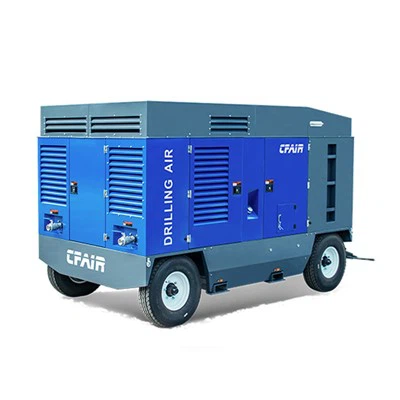
A pneumatic regulator is an indispensable component in the realm of pneumatic systems, and as a seasoned pneumatic tools supplier, I've witnessed firsthand its significance in various applications. In this blog, we'll delve into the functions and uses of pneumatic regulators, exploring how they contribute to the efficiency and safety of pneumatic tools.
Understanding Pneumatic Regulators
At its core, a pneumatic regulator is a device designed to control and maintain a constant output pressure in a pneumatic system. Pneumatic systems rely on compressed air to power various tools and equipment, and the pressure of this compressed air can fluctuate due to factors such as compressor operation, pipeline resistance, and changes in demand. A pneumatic regulator ensures that the tools receive a stable and consistent supply of compressed air at the desired pressure, regardless of these external factors.
Key Functions of Pneumatic Regulators
Pressure Control
The primary function of a pneumatic regulator is to control the pressure of the compressed air. Different pneumatic tools require different operating pressures to function optimally. For example, a Compressor with Jackhammer typically needs a higher pressure to deliver the necessary force for breaking through hard surfaces, while a pneumatic paint sprayer may require a lower, more precise pressure to achieve a smooth and even finish. A pneumatic regulator allows users to adjust the output pressure to match the specific requirements of each tool.
Pressure Stabilization
Compressor output pressure can vary, especially when the compressor is starting up, shutting down, or under heavy load. These pressure fluctuations can have a negative impact on the performance and lifespan of pneumatic tools. A pneumatic regulator acts as a buffer, absorbing these fluctuations and maintaining a stable output pressure. This not only ensures consistent tool performance but also reduces wear and tear on the tools, leading to longer service life and fewer maintenance requirements.
Safety Enhancement
In addition to improving tool performance, pneumatic regulators also play a crucial role in safety. Excessive pressure can cause pneumatic tools to malfunction or even pose a safety hazard to operators. For instance, if the pressure in a Pneumatic Spade Shovel is too high, it may cause the shovel to operate erratically, increasing the risk of injury. A pneumatic regulator helps prevent such situations by limiting the maximum pressure that can be delivered to the tool, providing an additional layer of safety.
Applications of Pneumatic Regulators
Industrial Manufacturing
In industrial manufacturing, pneumatic tools are widely used for tasks such as assembly, material handling, and machining. Pneumatic regulators are essential in these applications to ensure that the tools operate at the correct pressure, resulting in high-quality products and efficient production processes. For example, in automotive manufacturing, pneumatic regulators are used to control the pressure of pneumatic wrenches, which are used to tighten bolts and nuts to precise torque specifications.
Construction
The construction industry heavily relies on pneumatic tools for tasks such as drilling, chipping, and sanding. A Jack Hammer Gas Powered is a common pneumatic tool used in construction to break up concrete and other hard materials. Pneumatic regulators are used to adjust the pressure of the compressed air supplied to the jackhammer, allowing operators to control the force of the impact and ensure efficient and safe operation.
Painting and Finishing
Pneumatic paint sprayers are widely used in the painting and finishing industry to apply paint, varnish, and other coatings. These sprayers require a precise and consistent pressure to achieve a smooth and even finish. A pneumatic regulator is used to control the pressure of the compressed air, ensuring that the paint is atomized correctly and applied evenly to the surface.
Medical and Laboratory Equipment
In the medical and laboratory fields, pneumatic systems are used in a variety of equipment, such as ventilators, dental drills, and analytical instruments. Pneumatic regulators are crucial in these applications to ensure the accuracy and reliability of the equipment. For example, in a ventilator, a pneumatic regulator is used to control the pressure of the air supplied to the patient, ensuring that the ventilation is delivered at the correct pressure and flow rate.
Choosing the Right Pneumatic Regulator
When selecting a pneumatic regulator for your pneumatic tools, there are several factors to consider. These include the required output pressure range, flow rate, accuracy, and the type of environment in which the regulator will be used. It's also important to choose a regulator from a reputable manufacturer to ensure its quality and reliability.
As a pneumatic tools supplier, I can offer expert advice on choosing the right pneumatic regulator for your specific needs. Whether you're a professional contractor, an industrial manufacturer, or a DIY enthusiast, I can help you find the perfect regulator to enhance the performance and safety of your pneumatic tools.


Conclusion
In conclusion, pneumatic regulators are essential components in pneumatic systems, providing precise pressure control, stabilization, and safety enhancement. Their applications span across various industries, from manufacturing and construction to painting and medical equipment. As a pneumatic tools supplier, I understand the importance of using high-quality pneumatic regulators to ensure the optimal performance and longevity of your tools.
If you're interested in learning more about pneumatic regulators or other pneumatic tools, or if you're looking to make a purchase, I encourage you to reach out for a personalized consultation. I'm here to help you find the best solutions for your pneumatic tool needs.
References
- Pneumatic Systems Handbook, various authors
- Industrial Pneumatic Technology: Fundamentals and Applications, multiple industry experts