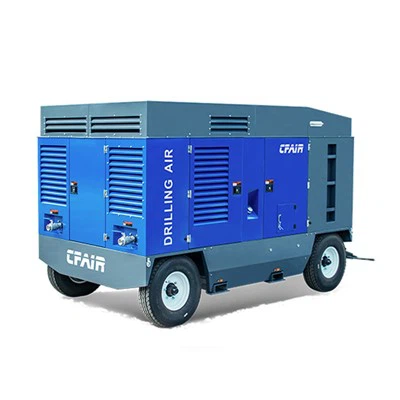
Portable air compressors are invaluable tools in various industries, from construction and automotive repair to mining and manufacturing. As a supplier of portable air compressors, I've encountered numerous cases where customers have faced issues with their compressors overheating. Understanding the causes of overheating is crucial for ensuring the longevity and efficient operation of these machines. In this blog post, I'll delve into the common factors that can lead to a portable air compressor overheating and provide insights on how to prevent such problems.
1. Insufficient Ventilation
One of the primary causes of overheating in portable air compressors is inadequate ventilation. When the compressor is operating, it generates a significant amount of heat. If this heat is not properly dissipated, the temperature inside the compressor can rise rapidly, leading to overheating.
Portable air compressors typically have vents or cooling fins designed to allow air to flow through and carry away the heat. However, if these vents are blocked by dust, debris, or other objects, the airflow is restricted, and the heat cannot escape effectively. For example, if the compressor is placed in a confined space or against a wall, the air circulation around the unit is limited, causing the heat to build up.
To prevent overheating due to insufficient ventilation, it's essential to ensure that the compressor is placed in a well - ventilated area. Keep the vents and cooling fins clean by regularly blowing compressed air or using a soft brush to remove any dirt or debris. Avoid operating the compressor in enclosed spaces or areas with poor air circulation.
2. Overworking the Compressor
Another common cause of overheating is overworking the compressor. Portable air compressors are designed to operate within specific limits, including a maximum duty cycle. The duty cycle refers to the amount of time the compressor can run continuously within a given period. For instance, a compressor with a 50% duty cycle can run for 30 minutes out of every hour.
If the compressor is used beyond its recommended duty cycle, it will generate more heat than it can dissipate, leading to overheating. This often happens when the compressor is used for extended periods without giving it enough time to cool down. For example, in a busy construction site where the compressor is constantly supplying air for pneumatic tools, the continuous operation can push the compressor to its limits.
To avoid overworking the compressor, it's important to understand its duty cycle and follow the manufacturer's guidelines. If you need to use the compressor for an extended period, consider using a larger - capacity compressor or allowing the compressor to rest between uses. You can also invest in a compressor with a higher duty cycle, such as A Portable Air Compressor, which is designed for more continuous operation.
3. Low Oil Level or Poor - Quality Oil
For oil - lubricated portable air compressors, the oil plays a crucial role in lubricating the moving parts and dissipating heat. If the oil level is too low, there won't be enough lubrication, which can cause increased friction between the components. This friction generates heat, and if left unchecked, it can lead to overheating.
In addition to the oil level, the quality of the oil also matters. Using low - quality or contaminated oil can reduce its ability to lubricate and cool the compressor effectively. Over time, the oil can break down, lose its viscosity, and become less efficient at transferring heat.
Regularly check the oil level in your compressor and top it up if necessary. Follow the manufacturer's recommendations for the type and grade of oil to use. Change the oil at the recommended intervals to ensure that it remains clean and effective. If you're using an oil - lubricated compressor in a harsh environment, such as a Mining Compressor, you may need to change the oil more frequently.
4. Faulty Cooling System
The cooling system of a portable air compressor is responsible for maintaining the optimal operating temperature. A faulty cooling system can prevent the compressor from dissipating heat properly, resulting in overheating.


The cooling system may consist of a fan, radiator, or other components. If the fan is not working correctly, it won't be able to draw in enough cool air to cool the compressor. A clogged radiator can also restrict the flow of coolant, reducing its ability to absorb and transfer heat away from the compressor.
Regularly inspect the cooling system components for any signs of damage or wear. Check the fan blades for cracks or obstructions and ensure that the fan is spinning freely. If the radiator is clogged, clean it using a suitable cleaning agent and a soft brush. If you suspect a problem with the cooling system, it's best to have it inspected and repaired by a qualified technician.
5. High Ambient Temperature
The ambient temperature of the environment in which the portable air compressor operates can also have a significant impact on its temperature. If the compressor is used in an area with high temperatures, it will have a harder time dissipating heat.
For example, in a hot summer day or in a desert environment, the outside air is already warm, which means that the air drawn in by the compressor for cooling is not as effective at reducing the temperature. Diesel - powered air compressors, such as Diesel Powered Air Compressor, are particularly sensitive to high ambient temperatures as the engine also generates a large amount of heat.
When operating the compressor in high - temperature environments, try to provide additional cooling. You can use a shade or a cooling tent to reduce the direct exposure to sunlight. You may also need to reduce the workload on the compressor or increase the frequency of breaks to allow it to cool down.
6. Worn - Out Components
Over time, the components of a portable air compressor can wear out. Worn - out parts, such as pistons, valves, or bearings, can cause increased friction and inefficiencies in the compressor. This increased friction generates more heat, which can lead to overheating.
For example, if the pistons are worn, they may not fit properly in the cylinders, causing air leaks and additional resistance. This can result in the compressor having to work harder to achieve the desired pressure, generating more heat in the process.
Regular maintenance and inspection are essential to identify and replace worn - out components before they cause significant problems. Follow the manufacturer's recommended maintenance schedule and replace any parts that show signs of excessive wear or damage.
Preventive Measures and Conclusion
To prevent your portable air compressor from overheating, it's important to follow a regular maintenance schedule, operate the compressor within its recommended limits, and ensure proper ventilation. By understanding the common causes of overheating, you can take proactive steps to keep your compressor running smoothly and efficiently.
As a supplier of portable air compressors, we are committed to providing high - quality products and excellent customer service. If you have any questions about our products or need assistance with troubleshooting overheating issues, please don't hesitate to contact us for a procurement discussion. We can help you select the right compressor for your specific needs and provide guidance on proper maintenance and operation.
References
- Compressed Air and Gas Institute (CAGI). "Best Practices for Portable Air Compressor Operation."
- Manufacturer's manuals for various portable air compressors.
- Industry research on air compressor technology and maintenance.