Hey there! As a supplier of Compressor Portable, I often get asked about the system requirements for these nifty machines. So, I thought I'd put together this blog post to give you all the lowdown.
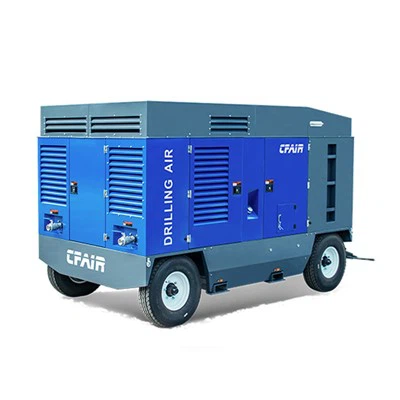
First off, let's talk about what a Compressor Portable is. It's a handy piece of equipment that can be easily moved around to wherever you need it. Whether you're on a construction site, in a workshop, or out in the field, a portable compressor can come in super useful for powering pneumatic tools, inflating tires, and all sorts of other tasks.
Power Requirements
One of the most important system requirements for a Compressor Portable is the power source. There are a few different options available, and the one you choose will depend on your specific needs and where you'll be using the compressor.
Electric Power
Many portable compressors can be powered by electricity. If you're using an electric compressor, you'll need to make sure you have access to a suitable power outlet. Most electric compressors are designed to work with standard household electrical outlets, which typically provide 120 volts of power. However, some larger or more powerful models may require a 240-volt outlet, which is commonly used for heavy-duty appliances like dryers or electric ranges.
When using an electric compressor, it's also important to consider the amperage requirements. The amperage rating of the compressor will tell you how much electrical current it draws. Make sure your power source can handle the amperage of the compressor without overloading the circuit. You may need to use a dedicated circuit or an extension cord with the appropriate gauge to ensure a safe and reliable power supply.
Gasoline or Diesel Power
If you don't have access to an electrical outlet or need a compressor that can be used in remote locations, a gasoline or diesel-powered compressor may be a better option. These types of compressors are powered by an internal combustion engine, which allows them to operate independently of an electrical grid.
Gasoline-powered compressors are typically more common and are a good choice for smaller jobs or occasional use. They're usually lighter and more compact than diesel-powered models, making them easier to transport. Diesel-powered compressors, on the other hand, are more powerful and efficient, and are often used for larger-scale projects or in industrial settings.
When using a gasoline or diesel-powered compressor, you'll need to make sure you have a supply of fuel on hand. It's also important to follow the manufacturer's instructions for fueling and maintenance to ensure the safe and proper operation of the compressor.
Air Requirements
In addition to power, a Compressor Portable also has specific air requirements. The air output of a compressor is measured in cubic feet per minute (CFM) and pounds per square inch (PSI).
CFM
The CFM rating of a compressor tells you how much air it can deliver in a given amount of time. The higher the CFM rating, the more air the compressor can produce, which means it can power larger or more demanding pneumatic tools. When choosing a compressor, it's important to consider the CFM requirements of the tools you'll be using. Make sure the compressor you choose can provide enough air to meet the needs of your tools.
PSI
The PSI rating of a compressor tells you how much pressure the air is being delivered at. Most pneumatic tools require a specific PSI range to operate properly. For example, a nail gun may require a PSI of 70-120, while a paint sprayer may require a PSI of 30-60. Make sure the compressor you choose can provide the appropriate PSI for the tools you'll be using.
Environmental Requirements
Another important factor to consider when using a Compressor Portable is the environment in which it will be used. Different compressors are designed to operate in different environmental conditions, and it's important to choose a compressor that is suitable for the conditions in which you'll be using it.
Temperature
Most compressors are designed to operate within a specific temperature range. Extreme temperatures can affect the performance and reliability of the compressor, so it's important to make sure you're using the compressor within the recommended temperature range. In cold weather, for example, you may need to take extra precautions to prevent the compressor from freezing or to warm it up before use.
Humidity
High humidity can also affect the performance of a compressor. Moisture in the air can cause corrosion and damage to the internal components of the compressor, so it's important to make sure the compressor is protected from moisture. If you're using the compressor in a humid environment, you may need to use a moisture trap or dryer to remove the moisture from the air before it enters the compressor.
Dust and Debris
Dust and debris can also cause problems for a compressor. If the compressor is used in a dusty or dirty environment, the air intake filter can become clogged, which can reduce the performance of the compressor and cause it to overheat. Make sure the compressor is equipped with a high-quality air intake filter and that the filter is cleaned or replaced regularly to prevent clogging.
Additional Features and Accessories
In addition to the basic system requirements, there are also a number of additional features and accessories that can make a Compressor Portable more useful and convenient to use.
Tank Size
The tank size of a compressor refers to the amount of air that the compressor can store. A larger tank size means that the compressor can store more air, which allows it to run for longer periods of time without having to stop and refill. If you're using the compressor for tasks that require a continuous supply of air, such as sandblasting or painting, a compressor with a larger tank size may be a better option.
Mobility
One of the main advantages of a Compressor Portable is its mobility. Look for a compressor that is easy to move around, with features like wheels and handles. Some compressors also come with a built-in carrying case or cart, which can make it even easier to transport the compressor from one location to another.


Noise Level
Compressors can be noisy, especially when they're running at full capacity. If you're using the compressor in a residential area or in a noise-sensitive environment, you may want to look for a compressor that is designed to operate quietly. Some compressors come with noise-reducing features, such as sound insulation or a low-noise motor, which can help to reduce the noise level.
Safety Features
Safety is always a top priority when using any type of equipment, and a Compressor Portable is no exception. Look for a compressor that is equipped with safety features, such as an automatic shut-off valve, a pressure relief valve, and a thermal overload protector. These features can help to prevent accidents and damage to the compressor.
Conclusion
So, there you have it! Those are the main system requirements for a Compressor Portable. By considering these factors and choosing a compressor that meets your specific needs, you can ensure that you have a reliable and efficient piece of equipment that will help you get the job done.
If you're in the market for a Compressor Portable, we offer a wide range of high-quality compressors to choose from. Check out our Towable Portable Air Compressor, Portable Screw Compressor, and A Portable Air Compressor for more information.
If you have any questions or need help choosing the right compressor for your needs, don't hesitate to reach out. We're here to help you find the perfect compressor for your project. Contact us today to start the procurement process and let's get your project off to a great start!
References
- Manufacturer's manuals and specifications for Compressor Portable models
- Industry standards and guidelines for air compressors
- Online resources and forums for air compressor users and professionals