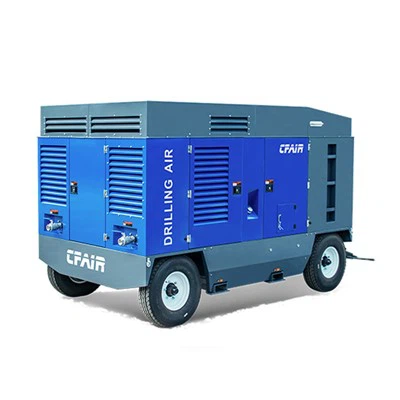
As a trusted supplier of large air compressors, I've witnessed firsthand the transformative impact that upgrading these industrial workhorses can have on operational efficiency and productivity. In this blog post, I'll share some valuable insights and practical tips on how to upgrade large air compressors for better performance.
Understanding the Basics of Large Air Compressors
Before delving into the upgrade process, it's essential to have a solid understanding of how large air compressors work. These machines are designed to convert power into potential energy stored in pressurized air, which can then be used to power various tools and equipment. The performance of an air compressor is typically measured in terms of its cubic feet per minute (CFM) and pounds per square inch (PSI). CFM refers to the volume of air the compressor can deliver, while PSI measures the pressure at which the air is delivered.


Assessing Your Current Compressor's Performance
The first step in upgrading your large air compressor is to assess its current performance. This involves evaluating factors such as its age, condition, and efficiency. An older compressor may be less efficient and more prone to breakdowns, while a poorly maintained compressor may not be operating at its full potential. Consider conducting a comprehensive audit of your compressor system, including an inspection of the compressor itself, the air storage tanks, and the piping and valves. Look for signs of wear and tear, leaks, and other issues that may be affecting performance.
Identifying Areas for Improvement
Once you have a clear understanding of your compressor's current performance, you can start identifying areas for improvement. Some common areas to focus on include:
- Energy Efficiency: Upgrading to a more energy-efficient compressor can significantly reduce your energy costs over time. Look for compressors with high-efficiency motors, variable speed drives, and other features that help optimize energy consumption.
- Capacity: If your current compressor is struggling to meet the demands of your operation, you may need to upgrade to a larger capacity unit. Consider factors such as the size of your facility, the number of tools and equipment you use, and the peak demand for compressed air.
- Reliability: A reliable compressor is essential for maintaining productivity and minimizing downtime. Look for compressors with a proven track record of reliability and durability, and consider investing in a maintenance plan to keep your compressor in top condition.
- Noise Reduction: Large air compressors can be noisy, which can be a nuisance for workers and nearby residents. Consider upgrading to a quieter compressor or installing noise-reducing enclosures to minimize the impact of noise on your workplace.
Upgrading Your Compressor System
Once you have identified the areas for improvement, you can start planning your compressor upgrade. Here are some steps to consider:
- Research Your Options: There are many different types of large air compressors available on the market, each with its own unique features and benefits. Research your options carefully to find the compressor that best meets your needs and budget. Consider factors such as the type of compressor (e.g., reciprocating, rotary screw, or centrifugal), the size and capacity of the compressor, and the energy efficiency and reliability ratings.
- Consult with an Expert: Upgrading a large air compressor can be a complex process, so it's important to consult with an expert before making any decisions. A qualified compressor technician can help you assess your current system, identify the best upgrade options, and ensure that the installation is done correctly.
- Choose the Right Accessories: In addition to upgrading the compressor itself, you may also want to consider upgrading the accessories and components of your compressor system. This can include items such as air filters, dryers, regulators, and lubricants. Choosing the right accessories can help improve the performance and efficiency of your compressor system and extend the life of your equipment.
- Install and Commission the New Compressor: Once you have chosen the right compressor and accessories, it's time to install and commission the new system. This involves connecting the compressor to the air storage tanks, piping, and valves, and testing the system to ensure that it is operating correctly. It's important to follow the manufacturer's instructions carefully and to have the installation performed by a qualified technician.
Maximizing the Benefits of Your Upgrade
Upgrading your large air compressor can provide many benefits, including improved energy efficiency, increased capacity, and enhanced reliability. However, to maximize the benefits of your upgrade, it's important to take some additional steps:
- Implement a Maintenance Plan: Regular maintenance is essential for keeping your compressor system in top condition and ensuring that it operates at its full potential. Develop a comprehensive maintenance plan that includes tasks such as oil changes, filter replacements, and inspections. Follow the manufacturer's recommendations for maintenance intervals and procedures, and keep detailed records of all maintenance activities.
- Train Your Employees: Proper training is essential for ensuring that your employees know how to operate and maintain your compressor system safely and effectively. Provide your employees with comprehensive training on the operation, maintenance, and safety procedures of your compressor system, and ensure that they have access to the necessary tools and resources.
- Monitor and Evaluate Performance: Regularly monitor and evaluate the performance of your compressor system to ensure that it is meeting your expectations. Use tools such as energy meters, pressure gauges, and flow meters to track the performance of your compressor system, and compare the results to your baseline data. Identify any areas where performance is not meeting expectations, and take corrective action as needed.
- Consider Upgrading Other Equipment: Upgrading your large air compressor is just one way to improve the efficiency and productivity of your operation. Consider upgrading other equipment and systems in your facility, such as lighting, HVAC, and process equipment, to further reduce energy costs and improve performance.
Conclusion
Upgrading your large air compressor can provide many benefits, including improved energy efficiency, increased capacity, and enhanced reliability. By following the tips and strategies outlined in this blog post, you can upgrade your compressor system for better performance and maximize the return on your investment. If you have any questions or need further assistance with your compressor upgrade, please don't hesitate to contact us. We're here to help you find the best solution for your needs and budget.
Contact Us for Procurement and Consultation
If you are considering upgrading your large air compressors or are interested in learning more about our products and services, we invite you to reach out to us. Our team of experts is ready to assist you in making the right choices for your specific requirements. Whether you need a Air Compressor Engine Driven, a Towable Portable Air Compressor, or the Biggest Portable Air Compressor, we have the solutions to meet your demands. Let's start a conversation today and explore how we can help you achieve better performance and efficiency with your air compressor systems.
References
- Compressed Air and Gas Institute (CAGI). (2023). Compressed Air System Best Practices.
- ASME. (2022). Performance Test Codes for Compressors and Vacuum Pumps.
- Gardner Denver. (2021). The Basics of Compressed Air Systems.