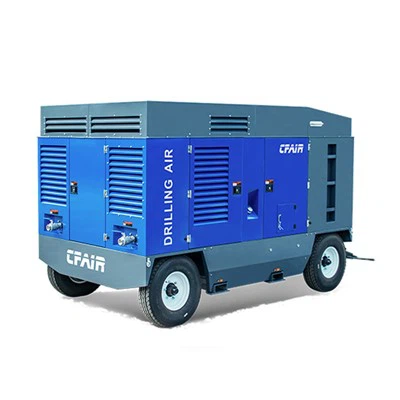
Hey there! As a supplier of towable air compressors, I've seen my fair share of issues that customers run into. Troubleshooting these machines can seem like a daunting task, but with the right know - how, you can get your compressor up and running in no time. In this blog, I'll walk you through some common problems and how to fix them.
1. No Power or Won't Start
One of the most frustrating things is when your towable air compressor just won't start. There are a few things you can check.
First, look at the power source. If it's an electric - powered compressor, make sure it's properly plugged in. Check the circuit breaker or fuse box to see if a breaker has tripped or a fuse has blown. Sometimes, a simple reset can solve the problem.
For engine - driven compressors, like our Engine Driven Air Compressor, fuel is key. Check the fuel tank to ensure there's enough gas or diesel. Also, make sure the fuel valve is open. A clogged fuel filter can also prevent the engine from starting. You can try replacing the fuel filter if you suspect it's the culprit.
The battery is another important component. If your compressor has a battery - powered starter, check the battery terminals for corrosion. Clean them with a wire brush if necessary. Test the battery voltage with a multimeter. If it's low, you may need to charge or replace the battery.
2. Low Air Pressure
If your compressor is running but the air pressure is lower than it should be, there are several possible causes.
The air intake filter might be dirty. A clogged filter restricts the amount of air that can enter the compressor, reducing its efficiency. Remove the filter and clean or replace it as needed.
Leaking air hoses or fittings can also lead to low pressure. Inspect all the hoses and connections for any signs of air leakage. You can use a soapy water solution to check for leaks. Apply the solution to the hoses and fittings, and if you see bubbles forming, that's a sign of a leak. Tighten the fittings or replace the hoses if necessary.
The compressor pump could be worn out. Over time, the pump's internal components can wear down, reducing its ability to generate high pressure. If you suspect a problem with the pump, it's best to have a professional technician take a look.
3. Excessive Noise
A noisy compressor can be a real annoyance and may also indicate a problem.
Loose parts are a common cause of excessive noise. Check all the bolts and nuts on the compressor and tighten them if they're loose. The vibration from loose parts can create a lot of noise.
Worn - out bearings can also make a lot of noise. If you hear a grinding or squealing sound, it could be a sign that the bearings need to be replaced. This is a more complex repair and may require the help of a professional.
The compressor's cooling fan might be hitting something. Inspect the fan and make sure it's not obstructed by any debris or loose parts.


4. Overheating
Overheating is a serious issue that can damage your compressor if not addressed.
The cooling system is the first thing to check. Make sure the cooling fins on the compressor are clean. Dust and debris can accumulate on the fins, reducing their ability to dissipate heat. Use a brush or compressed air to clean the fins.
The oil level in the compressor is also important. Low oil can cause the compressor to overheat. Check the oil level regularly and add oil if it's low. Make sure to use the recommended type of oil for your compressor.
If the compressor is being used in a hot environment or for long periods without breaks, it may overheat. Try to provide some shade for the compressor or give it regular breaks to cool down.
5. Oil Leaks
Oil leaks can be messy and can also lead to other problems if not fixed.
Check the oil seals and gaskets for any signs of damage. Over time, these seals and gaskets can wear out and start to leak. Replace any damaged seals or gaskets as soon as possible.
The oil drain plug might be loose. Tighten the drain plug to stop any leaks from that area.
If you notice a large amount of oil leaking, it could be a sign of a more serious problem with the compressor's internal components. In this case, it's best to have a professional inspect the compressor.
6. Compressor Won't Build Pressure
If your compressor starts but won't build up to the desired pressure, there are a few things to consider.
The check valve could be faulty. The check valve prevents air from flowing back into the compressor once it's been compressed. If the check valve is not working properly, the compressor won't be able to build pressure. You can test the check valve and replace it if necessary.
The pressure switch might be set incorrectly. The pressure switch controls when the compressor starts and stops. Make sure it's set to the correct pressure range for your needs.
7. Electrical Issues
For electric - powered compressors, electrical problems can be a headache.
Faulty wiring is a common issue. Inspect the wiring for any signs of damage, such as frayed wires or loose connections. If you find any damaged wiring, it's important to repair or replace it to avoid electrical hazards.
The motor capacitor could be bad. A bad capacitor can prevent the motor from starting or cause it to run inefficiently. Test the capacitor with a multimeter and replace it if it's faulty.
Conclusion
Troubleshooting a towable air compressor doesn't have to be a nightmare. By following these steps and regularly maintaining your compressor, you can keep it in good working condition. If you're ever unsure about a repair or if you encounter a problem that you can't solve on your own, don't hesitate to reach out.
As a supplier, we're here to help you with all your towable air compressor needs. Whether you're looking for a new Compressor Portable or need parts for your existing one, we've got you covered. And if you're in the market for a more heavy - duty option, our Mobile Diesel Air Compressor is a great choice.
If you have any questions or are interested in purchasing a towable air compressor, feel free to contact us for a detailed discussion. We're always happy to talk about how our products can meet your specific requirements.
References
- Compressor Manufacturer's Manuals
- Industry - standard Compressor Repair Guides