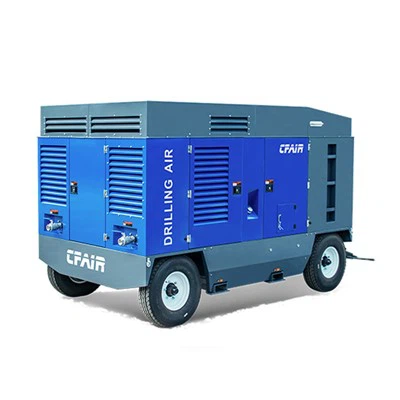
As a trusted supplier of Screw Compressors, ensuring the safety and proper functioning of our products is of utmost importance. One critical component in a screw compressor is the pressure relief valve. This valve plays a vital role in preventing over - pressurization, which can lead to serious damage to the compressor and pose safety risks. In this blog, I'll share with you how to test the pressure relief valve in a screw compressor.
Understanding the Pressure Relief Valve
Before diving into the testing process, it's essential to understand what a pressure relief valve does. In a screw compressor, the pressure relief valve is designed to open at a pre - set pressure. When the pressure inside the compressor exceeds this set point, the valve releases the excess pressure, bringing the system back to a safe operating level. This mechanism protects the compressor from high - pressure situations that could cause mechanical failures, leaks, or even explosions.
Tools and Materials Needed
To test the pressure relief valve in a screw compressor, you'll need the following tools and materials:
- Pressure gauge: This is used to measure the pressure inside the compressor accurately. Make sure the pressure gauge has a suitable range for your compressor's operating pressure.
- Safety equipment: Wear safety glasses, gloves, and appropriate clothing to protect yourself from any potential hazards during the testing process.
- Wrenches: You'll need the right size wrenches to remove and reinstall the pressure relief valve if necessary.
Pre - Test Preparation
- Shut down the compressor: Before starting any testing, ensure that the screw compressor is completely shut down. This not only protects you from moving parts but also allows the system to cool down. High - temperature components can be dangerous to handle.
- Release the pressure: Open the drain valve to release any remaining pressure in the compressor. This step is crucial to prevent sudden pressure surges when you start working on the pressure relief valve.
- Locate the pressure relief valve: In most screw compressors, the pressure relief valve is located near the discharge line. Refer to the compressor's manual if you're having trouble finding it.
Testing the Pressure Relief Valve
There are two main methods to test the pressure relief valve: the bench test and the in - situ test.
Bench Test
- Remove the pressure relief valve: Use the appropriate wrenches to carefully remove the pressure relief valve from the compressor. Make sure to keep track of any gaskets or seals to ensure proper reinstallation later.
- Set up the test bench: Connect the pressure relief valve to a test bench that can simulate the compressor's operating conditions. Attach the pressure gauge to the test bench to monitor the pressure.
- Apply pressure gradually: Start applying pressure to the valve using the test bench. Increase the pressure slowly until the valve opens. Note the pressure at which the valve opens. This is the valve's cracking pressure.
- Check the reseating pressure: After the valve has opened and released the pressure, continue to monitor the pressure as it decreases. The pressure at which the valve closes is called the reseating pressure. Compare these values with the manufacturer's specifications. If the cracking or reseating pressures are outside the acceptable range, the valve may need to be adjusted or replaced.
In - Situ Test
- Connect the pressure gauge: Connect a pressure gauge to the compressor's discharge line near the pressure relief valve. This will allow you to monitor the pressure inside the compressor during the test.
- Start the compressor: Start the screw compressor and gradually increase the pressure. Keep a close eye on the pressure gauge. As the pressure approaches the set point of the pressure relief valve, watch for the valve to open.
- Observe the valve operation: When the valve opens, it should release the excess pressure smoothly. Check for any signs of leakage or abnormal behavior. If the valve doesn't open at the expected pressure or if there are signs of leakage, there may be an issue with the valve.
- Stop the compressor: Once the test is complete, stop the compressor and allow it to cool down. Release any remaining pressure in the system.
Post - Test Inspection
- Reinstall the valve: If you removed the pressure relief valve for a bench test, carefully reinstall it using the gaskets and seals you set aside earlier. Make sure all connections are tight to prevent leaks.
- Check for leaks: After reinstalling the valve, start the compressor again and check for any leaks around the valve or other components. A leak can indicate improper installation or a damaged valve.
- Record the results: Keep a record of the test results, including the cracking and reseating pressures, any observations during the test, and any actions taken. This documentation can be useful for future maintenance and troubleshooting.
Importance of Regular Testing
Regular testing of the pressure relief valve in a screw compressor is crucial for several reasons. First, it ensures the safety of the compressor and the personnel operating it. A malfunctioning pressure relief valve can lead to over - pressurization, which can cause serious accidents. Second, it helps to maintain the efficiency of the compressor. A valve that doesn't open or close properly can disrupt the compressor's normal operation, leading to increased energy consumption and reduced performance.
Conclusion
Testing the pressure relief valve in a screw compressor is a critical maintenance task that should not be overlooked. By following the steps outlined in this blog, you can ensure that your compressor's pressure relief valve is functioning properly. Whether you're using a Compressor for Blasting, Large Air Compressors, or a Compressor Portable, regular valve testing is essential for safety and performance.
If you're in the market for high - quality screw compressors or need further assistance with compressor maintenance, don't hesitate to reach out. We're here to help you make the right choices for your compressed air needs. Contact us today to start a procurement discussion and find the best compressor solutions for your business.


References
- Compressor Manufacturer's Manuals
- Industry Standards for Compressor Safety and Maintenance