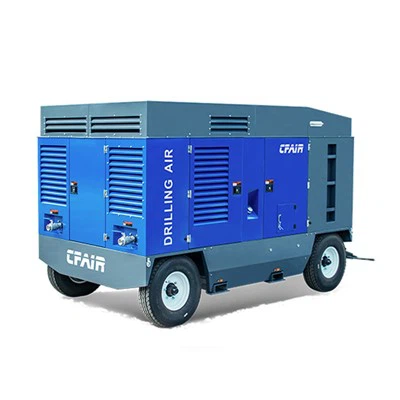
Storing a box air compressor properly is crucial whether you're a DIY enthusiast or running a business. As a box air compressor supplier, I've seen firsthand how improper storage can lead to premature wear, breakdowns, and costly repairs. In this blog, I'll share some practical tips on how to store your box air compressor to keep it in tip - top shape for years to come.
Pre - Storage Preparation
Before you stash your compressor away, there are a few key steps you need to take. First off, drain the moisture from the tank. Air compressors draw in ambient air, which contains moisture. Over time, this moisture accumulates in the tank and can cause rust and corrosion. To drain the moisture, turn off the compressor and unplug it from the power source. Locate the drain valve at the bottom of the tank. Open the valve and let all the water drain out. You might need to wait a few minutes depending on how much water has built up.
Next, clean the compressor thoroughly. Use a soft brush or a cloth to remove any dust, dirt, or debris from the exterior. Pay special attention to the air intake filters. Dirty filters can restrict airflow, causing the compressor to work harder and potentially overheat. If the filters are really dirty, you can gently tap them to dislodge the debris or wash them according to the manufacturer's instructions.
It's also a good idea to lubricate any moving parts as recommended by the manufacturer. Proper lubrication reduces friction and wear on the components, extending the lifespan of your compressor. Check the oil level if it's an oil - lubricated compressor. If the oil is dirty or low, change it before storage.
Choosing the Right Storage Location
The location where you store your box air compressor can significantly impact its condition. First of all, the storage area should be dry. Moisture is the enemy of air compressors as it can lead to rust and electrical problems. Avoid storing the compressor in basements or areas prone to flooding. If you have to store it in a basement, consider using a dehumidifier to keep the humidity levels in check.
The storage space should also be well - ventilated. Compressors generate heat when they're running, and even in storage, they need some airflow to prevent the build - up of heat and moisture. A stuffy, enclosed space can cause the compressor to overheat or develop mold.
Temperature is another important factor. Extreme temperatures can damage the compressor's components. Avoid storing the compressor in areas that are too hot, like attics during the summer, or too cold, such as unheated garages in the winter. A temperature - controlled environment is ideal, but if that's not possible, try to find a spot where the temperature remains relatively stable.
Protecting the Compressor During Storage
Once you've found the perfect storage location, it's time to take steps to protect the compressor. If possible, cover the compressor with a breathable cover. A plastic cover can trap moisture, but a cloth or mesh cover will allow air to circulate while keeping dust and debris off the unit.
You may also want to consider storing the compressor on a pallet or a raised platform. This helps to keep it off the ground, protecting it from any moisture that might seep through the floor.
If you're storing the compressor for an extended period, you can disconnect the battery (if it's a compressor with a battery - powered start) to prevent it from draining. Also, remove any accessories like hoses and fittings. Store them separately in a dry place to prevent damage.
Long - Term vs. Short - Term Storage
The storage requirements can vary depending on whether you're storing the compressor for a short time or an extended period. For short - term storage (up to a few months), the steps outlined above, such as draining the moisture, cleaning, and choosing a proper location, are usually sufficient.
However, for long - term storage (more than a few months), you'll need to take some extra precautions. In addition to the steps for short - term storage, you should consider applying a light coat of rust - preventive oil to the exposed metal parts of the compressor. This will provide an extra layer of protection against rust and corrosion.
You may also want to run the compressor for a few minutes every few months to keep the internal components lubricated and prevent them from seizing up. Make sure to follow the proper startup procedures and let the compressor reach its normal operating temperature.
Special Considerations for Different Types of Compressors
There are various types of box air compressors available, and each may have specific storage needs. For example, Diesel Powered Air Compressors require additional precautions due to the fuel system. If storing a diesel - powered compressor, drain the fuel tank or use a fuel stabilizer to prevent the fuel from degrading.


Twin Screw Compressor are known for their efficiency and reliability. When storing a twin - screw compressor, ensure that the oil is changed and the filters are clean. These compressors have complex internal components, so proper maintenance during storage is crucial.
If you have a Best Budget Air Compressor, don't skimp on storage. Even though it may be more affordable, it still needs the same level of care to ensure it lasts. Follow the same general storage guidelines and check for any specific instructions from the manufacturer.
Conclusion
Properly storing your box air compressor is essential for maintaining its performance and prolonging its lifespan. By following these simple tips, you can ensure that your compressor is ready to go whenever you need it. Whether it's for a small DIY project or a large - scale industrial application, a well - stored compressor will save you time, money, and headaches in the long run.
If you're in the market for a new box air compressor or have any questions about storage or maintenance, don't hesitate to reach out. We're here to help you make the best choice for your needs and ensure that your compressor serves you well for many years. Contact us for more information and to start a procurement discussion.
References
- Manufacturer's manuals for box air compressors
- Industry best practices for air compressor storage
- Articles on air compressor maintenance and storage from reputable industry sources