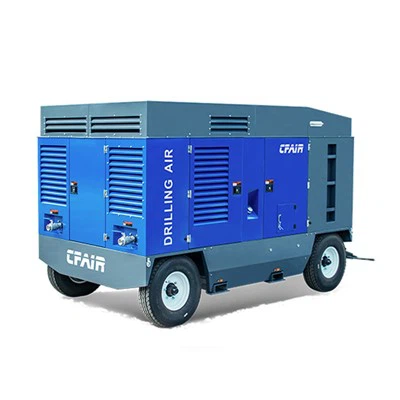
Corrosion in a compressor for blasting can significantly reduce its efficiency, lifespan, and overall performance. As a trusted supplier of compressors for blasting, I understand the challenges that corrosion poses to these essential machines. In this blog post, I will share some effective strategies to prevent corrosion in a compressor for blasting, ensuring its optimal operation and longevity.
Understanding the Causes of Corrosion in Compressors for Blasting
Before delving into prevention methods, it's crucial to understand what causes corrosion in compressors for blasting. Corrosion is essentially a chemical reaction between the metal components of the compressor and the surrounding environment. In the context of blasting compressors, several factors can contribute to this reaction:
- Moisture: Moisture is one of the primary culprits behind corrosion. When compressed air contains water vapor, it can condense inside the compressor, creating a moist environment that promotes rust and corrosion. This is especially common in humid climates or when the compressor is used in wet conditions.
- Chemicals and Abrasives: Blasting operations often involve the use of chemicals and abrasives, which can be corrosive to the compressor's metal parts. These substances can come into contact with the compressor during the blasting process or through the intake air, leading to accelerated corrosion.
- High Temperatures: Compressors generate heat during operation, and high temperatures can exacerbate the corrosion process. Heat can increase the rate of chemical reactions, making the metal more susceptible to corrosion. Additionally, thermal cycling (repeated heating and cooling) can cause stress on the metal, leading to cracking and further corrosion.
Preventive Measures to Avoid Corrosion
1. Proper Air Intake and Filtration
- Location of the Compressor: Ensure that the compressor is placed in a clean, dry, and well - ventilated area. Avoid areas with high humidity, dust, or chemical fumes. A proper location can significantly reduce the amount of moisture and contaminants entering the compressor.
- Air Filters: Install high - quality air filters at the intake of the compressor. These filters can trap dust, dirt, and other particles, preventing them from entering the compressor and causing corrosion. Regularly inspect and replace the air filters according to the manufacturer's recommendations.
2. Moisture Removal
- Aftercoolers: Aftercoolers are devices that cool the compressed air after it leaves the compressor. By reducing the temperature of the compressed air, aftercoolers cause the water vapor to condense, which can then be removed. This helps to lower the moisture content in the compressed air, reducing the risk of corrosion.
- Dryers: In addition to aftercoolers, consider using air dryers. There are different types of air dryers, such as refrigerated dryers and desiccant dryers. Refrigerated dryers cool the compressed air to remove moisture, while desiccant dryers use a desiccant material to absorb the water vapor. Depending on the specific requirements of your blasting operation, choose the appropriate type of dryer to ensure low moisture levels in the compressed air.
3. Material Selection
- Corrosion - Resistant Materials: When choosing a compressor for blasting, opt for models made from corrosion - resistant materials. Stainless steel, for example, is highly resistant to corrosion and can be used for critical components such as pipes, tanks, and valves. Aluminum is another lightweight and corrosion - resistant option that can be used in certain parts of the compressor.
- Coatings: Applying protective coatings to the metal surfaces of the compressor can also prevent corrosion. Epoxy coatings, for instance, can provide a barrier between the metal and the corrosive environment. These coatings can be applied to the interior and exterior of the compressor components, offering long - term protection.
4. Regular Maintenance and Inspection
- Lubrication: Proper lubrication is essential for the smooth operation of the compressor and can also help prevent corrosion. Use high - quality lubricants that are specifically formulated for compressors. These lubricants can form a protective film on the metal surfaces, reducing friction and preventing corrosion.
- Inspection: Conduct regular inspections of the compressor to detect any signs of corrosion early. Check for rust, pitting, or discoloration on the metal parts. Inspect the pipes, fittings, and valves for leaks, as leaks can allow moisture and contaminants to enter the compressor. If any signs of corrosion are detected, take immediate action to address the issue.
5. Operational Practices
- Shutdown Procedures: Follow proper shutdown procedures to prevent moisture from accumulating inside the compressor. After shutting down the compressor, drain any condensed water from the tanks, pipes, and other components. This can help to keep the interior of the compressor dry and reduce the risk of corrosion.
- Start - up Procedures: When starting up the compressor, allow it to run for a few minutes to warm up and dry out any moisture that may have accumulated during downtime. This can help to prevent corrosion caused by cold starts in a moist environment.
Our Product Range and Their Corrosion - Prevention Features
As a supplier of compressors for blasting, we offer a wide range of products that are designed with corrosion - prevention in mind.
- Diesel Powered Air Compressor: Our Diesel Powered Air Compressor is built with high - quality materials and advanced corrosion - resistant coatings. It features efficient aftercoolers and air dryers to remove moisture from the compressed air, reducing the risk of corrosion. The robust design of this compressor makes it suitable for heavy - duty blasting operations in various environments.
- Portable Screw Compressor: The Portable Screw Compressor is a compact and reliable option for blasting applications. It is equipped with high - performance air filters and moisture removal systems to ensure clean and dry compressed air. The use of corrosion - resistant materials in its construction enhances its durability and resistance to corrosion.
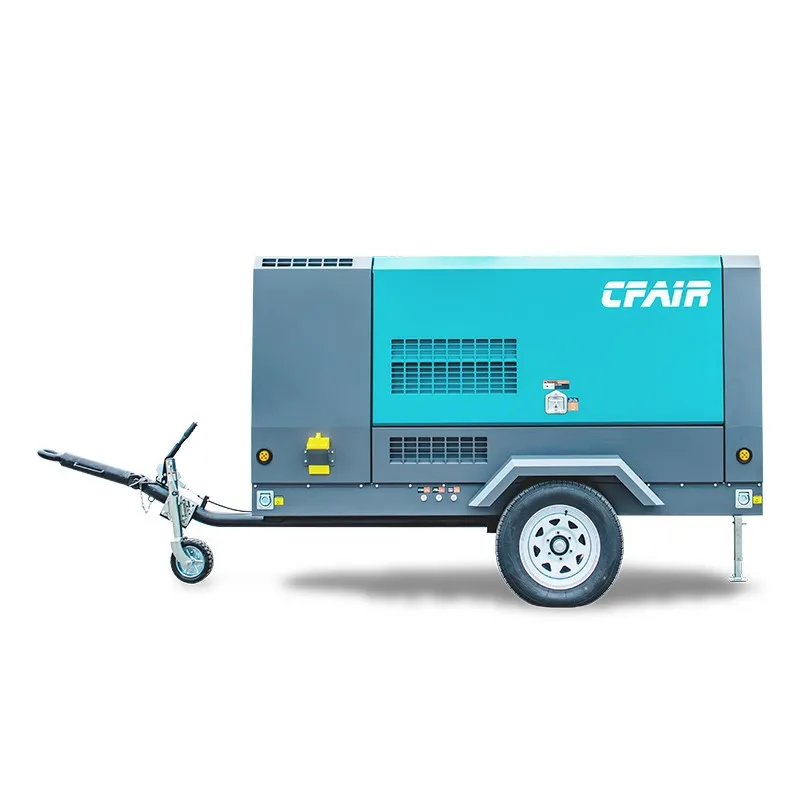
- Towable Portable Air Compressor: Our Towable Portable Air Compressor is designed for easy transportation and use in different blasting sites. It incorporates advanced corrosion - prevention technologies, such as stainless - steel components and protective coatings. The compressor's efficient cooling and filtration systems help to maintain low moisture levels and prevent corrosion.
Contact Us for Your Blasting Compressor Needs
If you are looking for a reliable and corrosion - resistant compressor for your blasting operations, we are here to help. Our team of experts can provide you with detailed information about our products and assist you in choosing the right compressor for your specific requirements. Whether you need a diesel - powered compressor, a portable screw compressor, or a towable portable air compressor, we have the solutions to meet your needs.

Contact us today to start a discussion about your blasting compressor requirements. We look forward to partnering with you to ensure the success of your blasting projects.
References
- ASM Handbook, Volume 13A: Corrosion: Fundamentals, Testing, and Protection. ASM International.
- Compressed Air and Gas Handbook. Ingersoll Rand.
- Industrial Compressor Handbook. Atlas Copco.