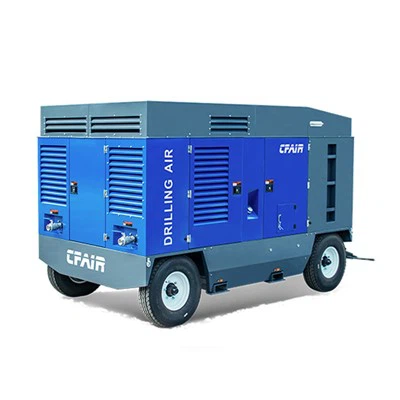
Maintaining a separator element is crucial for ensuring the optimal performance and longevity of your equipment. As a separator element supplier, I understand the significance of proper maintenance and its impact on overall system efficiency. In this blog post, I'll share some essential tips on how to maintain a separator element effectively.
Understanding the Separator Element
Before delving into maintenance procedures, it's important to have a basic understanding of what a separator element is and how it functions. Separator elements are used in various applications, such as air compressors, oil filtration systems, and gas separators, to remove contaminants from fluids or gases. They work by separating solid particles, liquids, or other impurities from the medium flowing through them, ensuring that only clean fluid or gas reaches the downstream components.
The separator element typically consists of a filter media, which can be made of materials like cellulose, synthetic fibers, or a combination of both. The filter media is designed to trap contaminants while allowing the clean fluid or gas to pass through. Over time, however, the filter media can become clogged with dirt, debris, and other particles, reducing its effectiveness and potentially causing damage to the system.


Regular Inspection
One of the most important aspects of maintaining a separator element is regular inspection. By inspecting the separator element at regular intervals, you can identify any signs of wear, damage, or clogging early on and take appropriate action to prevent further problems. Here are some key points to consider during the inspection process:
- Visual Inspection: Start by visually inspecting the separator element for any visible signs of damage, such as tears, holes, or discoloration. Check the end caps and seals for any signs of leakage or deterioration. If you notice any damage, replace the separator element immediately.
- Pressure Drop Monitoring: Monitor the pressure drop across the separator element regularly. An increase in pressure drop indicates that the filter media is becoming clogged and needs to be replaced. Most separator elements come with a pressure gauge or indicator that can help you monitor the pressure drop. If the pressure drop exceeds the recommended limit, it's time to replace the separator element.
- Contaminant Analysis: Periodically analyze the contaminants collected by the separator element to determine the type and source of the contaminants. This information can help you identify any potential problems in the system and take appropriate measures to prevent future contamination. You can use a microscope or other analytical tools to analyze the contaminants.
Cleaning and Replacement
In addition to regular inspection, cleaning and replacement are also essential for maintaining the performance of the separator element. Here are some guidelines on how to clean and replace the separator element:
- Cleaning: Depending on the type of separator element and the level of contamination, you may be able to clean the separator element and reuse it. However, it's important to follow the manufacturer's instructions carefully when cleaning the separator element to avoid damaging the filter media. In general, you can clean the separator element by soaking it in a cleaning solution and then rinsing it thoroughly with clean water. Make sure to dry the separator element completely before reinstalling it.
- Replacement: If the separator element is severely clogged or damaged, it's best to replace it with a new one. When replacing the separator element, make sure to use a high-quality replacement that is compatible with your equipment. Follow the manufacturer's instructions carefully when installing the new separator element to ensure proper fit and performance.
Proper Storage
Proper storage of the separator element is also important for maintaining its performance. When not in use, the separator element should be stored in a clean, dry, and protected environment to prevent damage and contamination. Here are some tips on how to store the separator element properly:
- Keep it Clean: Before storing the separator element, make sure to clean it thoroughly to remove any contaminants. You can use a cleaning solution or compressed air to clean the separator element.
- Store it in a Sealed Container: Store the separator element in a sealed container to prevent dust, moisture, and other contaminants from entering. You can use a plastic bag or a storage container with a tight-fitting lid.
- Label the Container: Label the container with the type, size, and part number of the separator element to make it easy to identify. This will help you avoid confusion when you need to use the separator element.
Importance of Using High-Quality Separator Elements
Using high-quality separator elements is essential for ensuring the optimal performance and longevity of your equipment. High-quality separator elements are designed to provide better filtration efficiency, longer service life, and greater resistance to wear and tear. They are also more reliable and less likely to cause problems in the system.
As a separator element supplier, I offer a wide range of high-quality separator elements that are designed to meet the needs of various applications. Our separator elements are made from the highest quality materials and are manufactured using the latest technology to ensure superior performance and reliability. Whether you need a separator element for an air compressor, oil filtration system, or gas separator, we have the right solution for you.
Related Products
In addition to separator elements, we also offer a variety of related products that can help you maintain the performance of your equipment. Here are some of our popular products:
- Compressor Oil Filter: Our compressor oil filters are designed to remove contaminants from the compressor oil, ensuring that the compressor operates smoothly and efficiently.
- Clearance Light: Our clearance lights are used to indicate the clearance between the compressor piston and the cylinder head, helping you prevent damage to the compressor.
- Radiator Cap: Our radiator caps are designed to maintain the proper pressure in the radiator, ensuring that the engine coolant circulates properly and prevents overheating.
Conclusion
Maintaining a separator element is essential for ensuring the optimal performance and longevity of your equipment. By following the tips outlined in this blog post, you can keep your separator element in good condition and prevent costly breakdowns and repairs. Remember to regularly inspect, clean, and replace the separator element, and use high-quality products to ensure the best results.
If you have any questions or need further information about separator elements or our other products, please feel free to contact us. We are always happy to help you find the right solution for your needs.
References
- Manufacturer's manuals and technical documents
- Industry standards and best practices
- Professional literature on filtration and separation technology