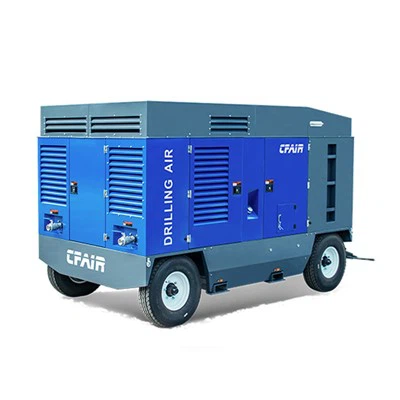
Hey there! As a supplier of Mobile Air Compressors, I often get asked about how to install these nifty machines. In this blog post, I'm gonna walk you through the process step by step. Whether you're a DIY enthusiast or a professional in the construction industry, this guide will help you get your mobile air compressor up and running in no time.
What You Need to Know Before You Start
Before we dive into the installation process, it's important to understand a few key things about mobile air compressors. These machines come in various shapes and sizes, and their installation can vary depending on the specific model. Some are designed for easy portability, while others are more heavy-duty and require a bit more setup.
One of the most important factors to consider is the power source. Mobile air compressors can be powered by electricity, gasoline, or diesel. Make sure you have the appropriate power supply available before you start the installation. Also, think about the location where you'll be using the compressor. It should be a well-ventilated area to prevent overheating.
Step 1: Choose the Right Location
The first step in installing a mobile air compressor is to choose the right location. You want to pick a spot that's flat, stable, and easily accessible. Avoid areas that are prone to flooding or where there's a risk of the compressor being knocked over.
If you're using the compressor for construction work, you might want to place it close to the job site. However, make sure it's not in the way of other equipment or workers. For home use, a garage or a shed can be a great location. Just make sure there's enough space around the compressor for proper ventilation.
Step 2: Unpack and Inspect the Compressor
Once you've chosen the location, it's time to unpack the compressor. Carefully remove all the parts from the box and check for any damage. Look for any signs of dents, scratches, or loose parts. If you find any issues, contact the manufacturer or your supplier right away.
While you're inspecting the compressor, take a look at the user manual. This will give you a better understanding of the specific installation requirements for your model. It will also provide important safety information that you need to follow.
Step 3: Connect the Power Source
Now it's time to connect the power source. As I mentioned earlier, the power source can vary depending on the type of compressor you have. If it's an electric compressor, you'll need to plug it into a grounded electrical outlet. Make sure the outlet can handle the amperage requirements of the compressor.
For gasoline or diesel-powered compressors, you'll need to fill the fuel tank. Use the recommended fuel type and follow the instructions in the user manual. After filling the tank, check for any fuel leaks. If you notice any leaks, do not start the compressor and contact a professional for assistance.
Step 4: Connect the Air Hoses
Next, you'll need to connect the air hoses to the compressor. Start by identifying the air outlet on the compressor. This is usually marked with an arrow or the word "Air Out." Attach one end of the air hose to the air outlet using the appropriate fittings.
Make sure the fittings are tightened securely to prevent air leaks. You can use a wrench to tighten the fittings if necessary. Once the air hose is connected to the compressor, you can connect the other end to the tool or equipment that you'll be using.
Step 5: Check the Oil Level (if applicable)
Some mobile air compressors require oil for lubrication. If your compressor is one of these, you'll need to check the oil level before starting it. Locate the oil dipstick on the compressor and remove it. Wipe the dipstick clean and then reinsert it into the oil reservoir.
Remove the dipstick again and check the oil level. The oil level should be between the minimum and maximum marks on the dipstick. If the oil level is low, add the recommended type of oil until it reaches the appropriate level.


Step 6: Start the Compressor
Now that everything is connected and checked, it's time to start the compressor. If it's an electric compressor, simply turn on the power switch. For gasoline or diesel-powered compressors, follow the starting procedure outlined in the user manual.
Once the compressor starts, listen for any unusual noises or vibrations. If you notice anything out of the ordinary, turn off the compressor immediately and check for any problems.
Step 7: Adjust the Pressure
After the compressor is running, you'll need to adjust the pressure to the appropriate level for the tool or equipment you're using. Most compressors have a pressure regulator that allows you to adjust the output pressure.
Refer to the user manual for the recommended pressure settings for your specific tool. Use a pressure gauge to monitor the pressure and make any necessary adjustments.
Step 8: Test the Compressor
Once you've adjusted the pressure, it's time to test the compressor. Connect a tool or equipment to the air hose and turn it on. Check to make sure the compressor is supplying enough air and that the tool is working properly.
If you encounter any problems, such as low air pressure or the compressor not starting, refer to the troubleshooting section of the user manual. If you're still unable to resolve the issue, contact the manufacturer or your supplier for assistance.
Conclusion
Installing a mobile air compressor isn't as complicated as it might seem. By following these steps and using the right tools, you can have your compressor up and running in no time. Remember to always read the user manual and follow the safety instructions to ensure a safe and successful installation.
If you're in the market for a mobile air compressor, we've got a great selection to choose from. Check out our Biggest Portable Air Compressor, Compressor Machine for Construction, and Towable Diesel Air Compressor. If you have any questions or need help with your purchase, don't hesitate to reach out to us. We're here to assist you every step of the way.
References
- Manufacturer's user manuals for mobile air compressors
- Industry standards and best practices for air compressor installation