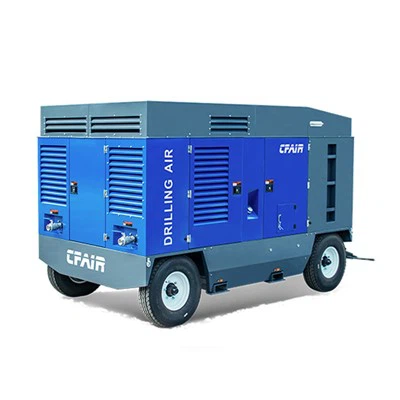
In the industrial landscape, large air compressors play a pivotal role across various sectors, from manufacturing plants to construction sites. Their reliability is not just a matter of operational efficiency but also impacts productivity, safety, and cost - effectiveness. As a well - established large air compressors supplier, I have witnessed firsthand the challenges and solutions related to enhancing the reliability of these crucial machines.
Understanding the Basics of Large Air Compressors
Before delving into ways to improve reliability, it's essential to understand the basic components and operation of large air compressors. These machines typically consist of an intake system, a compression mechanism (such as reciprocating, rotary screw, or centrifugal), a cooling system, and a control system. The intake system draws in ambient air, which is then compressed to a higher pressure by the compression mechanism. The cooling system prevents overheating, and the control system regulates the operation of the compressor.
Each component has its own set of potential failure points. For example, the intake filters can get clogged, reducing the amount of air entering the compressor and causing it to work harder. The compression mechanism can experience wear and tear over time, leading to reduced efficiency and potential breakdowns. The cooling system may malfunction due to coolant leaks or blockages, and the control system can have software glitches or electrical problems.
Regular Maintenance and Inspection
One of the most fundamental ways to improve the reliability of large air compressors is through regular maintenance and inspection. This includes daily, weekly, monthly, and annual checks.
- Daily Checks: Operators should perform basic checks at the start of each shift. This involves checking the oil level, coolant level, and the visual inspection of hoses and connections for any signs of leaks. They should also listen for any unusual noises coming from the compressor, which could indicate a mechanical problem.
- Weekly Checks: Weekly maintenance tasks may include checking the air filters. Clogged air filters can restrict airflow, increasing the energy consumption of the compressor and potentially causing overheating. If the filters are dirty, they should be cleaned or replaced according to the manufacturer's recommendations.
- Monthly Checks: Monthly inspections can focus on more in - depth components. For example, checking the belt tension in belt - driven compressors. Loose belts can slip, reducing the efficiency of power transmission, while overly tight belts can cause premature wear on the bearings. The compressor's valves should also be inspected for proper operation and any signs of damage.
- Annual Checks: On an annual basis, a comprehensive inspection and maintenance should be carried out. This may involve disassembling certain parts of the compressor for a thorough cleaning and inspection. The motor should be tested for proper electrical performance, and the entire control system should be calibrated.
Upgrading Components with High - Quality Parts
Using high - quality components is another effective strategy for improving reliability. Inferior parts may be cheaper initially, but they are more likely to fail prematurely, leading to costly downtime and repairs.
When it comes to air filters, for example, investing in high - efficiency filters can not only improve the air quality entering the compressor but also extend the life of other components. High - quality lubricants can reduce friction and wear in the compression mechanism, ensuring smooth operation and longer service life.
In addition, upgrading to advanced control systems can enhance the reliability of large air compressors. Modern control systems can monitor various parameters such as temperature, pressure, and vibration in real - time. They can also adjust the compressor's operation automatically to optimize performance and prevent potential failures. For instance, if the temperature of the compressor exceeds a certain threshold, the control system can shut down the compressor to prevent damage.
Training and Skill Development of Operators
The reliability of large air compressors is also highly dependent on the skills and knowledge of the operators. Well - trained operators are more likely to detect early signs of problems and take appropriate action.
We offer comprehensive training programs for operators of our large air compressors. These programs cover the basic operation of the compressor, safety procedures, and troubleshooting techniques. Operators learn how to read the control panel, understand the different indicators, and perform routine maintenance tasks.


By providing continuous training and skill development opportunities, operators can stay updated with the latest technologies and best practices in air compressor operation. This not only improves the reliability of the compressors but also enhances the overall safety of the workplace.
Environmental Considerations
The environment in which large air compressors operate can have a significant impact on their reliability. For example, compressors operating in dusty or humid environments are more prone to problems.
In dusty environments, the intake filters need to be replaced more frequently to prevent clogging. Additionally, the compressor may need to be located in a clean area or equipped with additional dust - filtering equipment. In humid environments, moisture can cause corrosion in the compressor's components. Installing moisture separators and ensuring proper ventilation can help mitigate these issues.
Monitoring and Predictive Maintenance
With the advancement of technology, monitoring and predictive maintenance have become increasingly important for improving the reliability of large air compressors. By using sensors and monitoring systems, we can collect real - time data on the compressor's performance, such as temperature, pressure, vibration, and energy consumption.
This data can be analyzed using advanced algorithms to predict potential failures before they occur. For example, if the vibration levels of the compressor start to increase gradually, it could indicate a problem with the bearings or the alignment of the components. Predictive maintenance allows us to schedule maintenance tasks proactively, reducing the risk of unexpected breakdowns and minimizing downtime.
Application - Specific Considerations
Different applications may require specific considerations for improving the reliability of large air compressors. For example, in the Compressor In Construction industry, compressors need to be rugged and portable. They are often exposed to harsh conditions, such as rough terrain and extreme temperatures.
Our Towable Diesel Air Compressor and Diesel Driven Compressor are designed specifically for construction applications. They are built with durable materials and have features such as heavy - duty frames and shock - absorbing mounts to withstand the rigors of the construction site.
Conclusion
Improving the reliability of large air compressors is a multi - faceted process that involves regular maintenance, the use of high - quality components, operator training, environmental management, and advanced monitoring techniques. As a large air compressors supplier, we are committed to providing our customers with reliable products and comprehensive support to ensure the smooth operation of their compressors.
If you are in the market for large air compressors or looking to improve the reliability of your existing compressors, we invite you to contact us for a detailed discussion. Our team of experts can provide you with customized solutions based on your specific needs and applications.
References
- ASME Performance Test Codes for Air Compressors
- Compressed Air and Gas Institute (CAGI) Standards
- Manufacturer's manuals for large air compressors