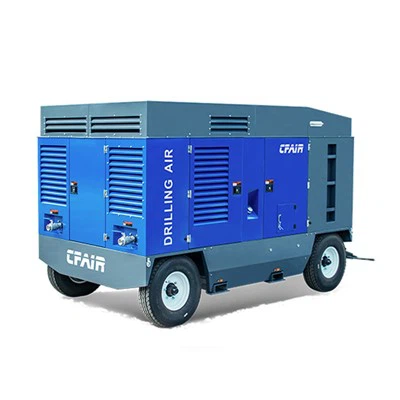
As a supplier of Screw Air Compressors, I've witnessed firsthand the growing demand for energy - efficient solutions in various industries. Screw air compressors are essential in many operations, from manufacturing plants to construction sites. However, they can also be significant energy consumers. In this blog, I'll share some practical ways to improve the energy efficiency of screw air compressors.
1. Proper Sizing and Selection
One of the most fundamental steps in improving energy efficiency is to choose the right - sized compressor for your application. An oversized compressor will operate at partial load for extended periods, leading to wasted energy. On the other hand, an undersized compressor may struggle to meet the demand, causing it to run continuously and consume more energy in the long run.
When selecting a screw air compressor, consider the maximum and average air demand of your system. Analyze your production processes to determine the peak and normal air requirements. For example, if you are running a manufacturing line with intermittent pneumatic tools, the air demand will vary throughout the day. Our company offers a wide range of screw air compressors, and we can help you select the most appropriate model based on your specific needs. If you are in the mining industry, you may be interested in our Mining Compressor for Sale.
2. Regular Maintenance
Regular maintenance is crucial for the efficient operation of screw air compressors. Over time, components such as air filters, oil filters, and separators can become clogged, increasing the resistance to air and oil flow. This forces the compressor to work harder, consuming more energy.
Change the air filters at regular intervals as recommended by the manufacturer. A dirty air filter can reduce the compressor's efficiency by up to 10%. Similarly, oil filters and separators should be replaced to ensure proper lubrication and separation of oil and air. Additionally, check the belts for proper tension. Loose belts can slip, reducing the power transmission efficiency and causing the motor to draw more current.
Inspect the compressor's cooling system regularly. A malfunctioning cooling system can cause the compressor to overheat, leading to reduced efficiency and potential damage to the components. Clean the cooling fins and ensure that the coolant levels are adequate.
3. Leak Detection and Repair
Air leaks are a common problem in compressed air systems and can account for a significant portion of energy waste. Even small leaks can add up over time, resulting in substantial energy losses.


Conduct regular leak detection surveys using ultrasonic leak detectors or soap - bubble tests. Ultrasonic leak detectors can detect high - frequency sounds emitted by air leaks, even in noisy industrial environments. Once the leaks are identified, repair them promptly. Common areas for leaks include joints, connections, valves, and fittings.
Implement a leak management program to ensure that leaks are continuously monitored and repaired. Encourage your employees to report any suspected leaks immediately. By reducing air leaks, you can improve the overall efficiency of your screw air compressor system and save on energy costs.
4. Optimal Pressure Settings
Operating the compressor at the lowest possible pressure that still meets the requirements of your application can significantly improve energy efficiency. Every 1 psi reduction in discharge pressure can result in a 1 - 3% reduction in energy consumption.
Review your pneumatic tools and processes to determine the minimum pressure required for proper operation. Adjust the compressor's pressure settings accordingly. However, be careful not to set the pressure too low, as this can affect the performance of your equipment.
If you have a variable - speed drive (VSD) compressor, it can automatically adjust the motor speed based on the air demand, maintaining a constant pressure while consuming less energy. Our Engine Driven Compressor with VSD technology can provide excellent energy savings in applications with varying air demands.
5. System Control and Automation
Implementing advanced system control and automation can optimize the operation of your screw air compressor system. A centralized control system can monitor the air demand, compressor status, and other parameters in real - time and make adjustments accordingly.
For example, a control system can start and stop multiple compressors based on the air demand, ensuring that only the necessary compressors are running at any given time. It can also balance the load between compressors to prevent overloading and improve efficiency.
Automated drainage systems can remove condensate from the compressed air system without manual intervention. This helps to prevent water damage to the equipment and ensures the quality of the compressed air.
6. Heat Recovery
Screw air compressors generate a significant amount of heat during operation. Instead of wasting this heat, it can be recovered and used for other purposes, such as space heating, water heating, or pre - heating process fluids.
Install a heat recovery system to capture the heat from the compressor's oil cooler or after - cooler. The recovered heat can be transferred to a heat exchanger, where it can be used to heat water or air. By utilizing the waste heat, you can reduce your energy consumption for heating purposes and improve the overall energy efficiency of your facility.
7. Training and Awareness
Proper training of your employees on the efficient operation and maintenance of screw air compressors is essential. Employees should understand the importance of energy efficiency and how their actions can impact the performance of the compressor system.
Provide training on topics such as proper start - up and shut - down procedures, how to identify and report potential problems, and the correct use of pneumatic tools. Encourage your employees to be energy - conscious and to follow best practices in operating the compressor system.
Create awareness about energy efficiency through internal communication channels, such as newsletters, posters, and training sessions. By involving your employees in energy - saving initiatives, you can achieve significant improvements in the energy efficiency of your screw air compressor system.
Conclusion
Improving the energy efficiency of screw air compressors is not only beneficial for your bottom line but also for the environment. By implementing the strategies outlined in this blog, such as proper sizing and selection, regular maintenance, leak detection and repair, optimal pressure settings, system control and automation, heat recovery, and employee training, you can reduce energy consumption and save on operating costs.
If you are interested in improving the energy efficiency of your screw air compressor system or are looking for high - quality compressors, we are here to help. Our company offers a wide range of Portable Air Compressors and other compressor solutions to meet your specific needs. Contact us today to start a conversation about your requirements and how we can assist you in achieving greater energy efficiency.
References
- ASHRAE Handbook - HVAC Systems and Equipment. American Society of Heating, Refrigerating and Air - Conditioning Engineers.
- Compressed Air and Gas Institute (CAGI) publications on compressor efficiency and best practices.
- ISO 50001:2018 Energy management systems — Requirements with guidance for use. International Organization for Standardization.