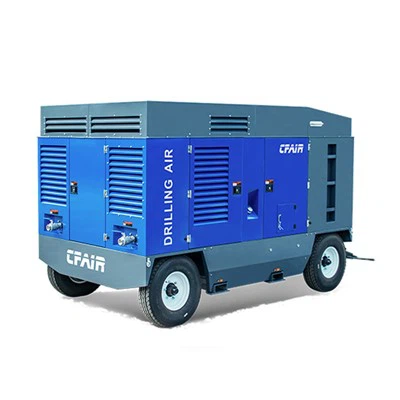
Hey there! As a supplier of diesel driven compressors, I've seen firsthand the importance of ensuring these machines run smoothly. Diesel driven compressors are workhorses in many industries, from construction to mining, and their stable operation can make or break a project. So, let's dive into how you can keep your diesel driven compressor up and running without a hitch.
1. Regular Maintenance Checks
Just like you take your car in for regular tune - ups, your diesel driven compressor needs routine maintenance. This is the cornerstone of stable operation.
-
Oil and Filter Changes: Diesel engines rely on clean oil to lubricate their moving parts. Over time, the oil breaks down and accumulates dirt and debris. Regularly changing the oil and oil filter is crucial. I'd recommend following the manufacturer's guidelines for how often to do this. Usually, it's after a certain number of operating hours. For example, most compressors need an oil change every 250 - 500 hours of use.
-
Air Filter Inspection and Replacement: The air filter prevents dust and other contaminants from entering the engine. A clogged air filter can reduce the engine's efficiency and cause it to work harder, leading to overheating and potential damage. Check the air filter regularly, especially if you're using the compressor in a dusty environment. Replace it when it looks dirty or clogged.
-
Fuel System Checks: The fuel system is another critical area. Make sure the fuel lines are free of leaks and blockages. Contaminated fuel can cause engine problems, so use high - quality diesel and consider using a fuel additive to keep the system clean.
2. Proper Installation
Getting the installation right from the start can save you a lot of headaches down the road.
- Location: Choose a well - ventilated area to install the compressor. Diesel engines produce exhaust fumes, and proper ventilation is essential to prevent the buildup of harmful gases. Also, make sure the location is level and stable. An uneven surface can cause the compressor to vibrate excessively, which can damage internal components.
- Electrical Connections: If your compressor has electrical components, ensure all connections are secure. Loose connections can cause electrical problems, such as short circuits or power outages. Double - check the wiring and make sure it's properly grounded.
3. Operator Training
Your compressor is only as good as the person operating it. Proper operator training is key to ensuring stable operation.

- Familiarize with the Manual: The operator should thoroughly read and understand the compressor's user manual. It contains important information about the machine's features, operating procedures, and safety precautions.
- Proper Start - up and Shutdown Procedures: Teach the operator the correct start - up and shutdown procedures. Starting the compressor too quickly or shutting it down abruptly can cause damage to the engine. For example, it's important to let the engine warm up for a few minutes before putting a load on it.
4. Monitoring and Troubleshooting
Keep an eye on your compressor's performance to catch any potential issues early.
- Temperature and Pressure Gauges: Most compressors are equipped with temperature and pressure gauges. Regularly check these gauges to ensure the compressor is operating within the recommended range. If the temperature or pressure is too high or too low, it could indicate a problem.
- Listen for Unusual Noises: Unusual noises, such as knocking or rattling, can be a sign of a mechanical problem. If you hear anything out of the ordinary, stop the compressor immediately and investigate the cause.
5. Use the Right Accessories
Using the right accessories can enhance the performance and stability of your compressor.
- Air Dryers: If your compressor is used in applications where dry air is required, such as painting or sandblasting, an air dryer can be a great addition. It removes moisture from the compressed air, preventing corrosion and damage to downstream equipment.
- Pressure Regulators: A pressure regulator allows you to control the output pressure of the compressor. This is important for applications that require a specific pressure level. Using a pressure regulator can also help prevent over - pressurization, which can damage the compressor and other equipment.
6. Compatibility with the Application
Make sure your diesel driven compressor is suitable for the application you're using it for.
- Capacity: Choose a compressor with the right capacity for your needs. If the compressor is too small, it will have to work harder to meet the demand, which can lead to overheating and premature wear. On the other hand, if it's too large, it will be inefficient and waste energy.
- Specialized Applications: For some applications, such as blasting, you may need a compressor with specific features. Check out our Compressor for Blasting to find the right one for your blasting needs.
7. Keep Spare Parts on Hand
Having spare parts readily available can minimize downtime in case of a breakdown.
- Common Parts: Keep a stock of common parts, such as filters, belts, and gaskets. These parts are likely to wear out over time and can be easily replaced.
- Emergency Repairs: In case of an emergency, having the necessary spare parts on hand can save you a lot of time and money. You won't have to wait for parts to be shipped, which can delay your project.
8. Upgrades and Modernization
As technology advances, consider upgrading your compressor to improve its performance and stability.
- Newer Engine Technology: Newer diesel engines are often more fuel - efficient and reliable. Upgrading to a more modern engine can reduce operating costs and improve the overall performance of your compressor.
- Advanced Control Systems: Some compressors come with advanced control systems that can monitor and adjust the compressor's performance in real - time. These systems can help optimize the compressor's operation and prevent problems before they occur.
If you're in the market for a diesel driven compressor, we've got you covered. We offer a wide range of compressors, including the Biggest Portable Air Compressor and Mobile Diesel Compressor. Whether you need a compressor for a small - scale project or a large - scale industrial application, we can help you find the right one.
If you have any questions or are interested in purchasing a diesel driven compressor, don't hesitate to reach out. We're here to assist you with all your compressor needs and ensure you get the most out of your investment.
References
- Compressor Manufacturer's User Manuals
- Industry Best Practices for Diesel Engine Maintenance
- Technical Papers on Compressor Operation and Efficiency