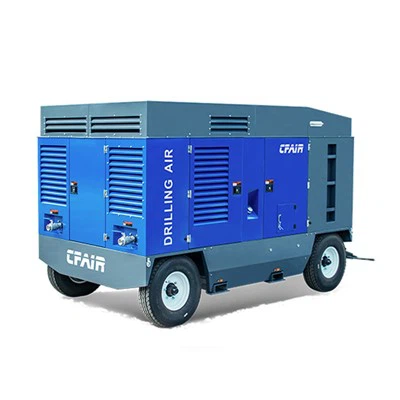
Hey there! I'm an expert from a Large Air Compressors supplier, and today I'm gonna share with you how to drain the condensate from large air compressors. This is a crucial task that can significantly impact the performance and lifespan of your equipment, so let's dive right in!
Why Draining Condensate is Important
First off, let's talk about why we need to drain the condensate in the first place. When air is compressed, its temperature rises, and as it cools down, water vapor in the air condenses into liquid water. This condensate can accumulate in various parts of the air compressor system, such as the receiver tank, filters, and pipes.
If left unchecked, this water can cause a whole bunch of problems. It can corrode the internal components of the compressor, leading to leaks and reduced efficiency. Rust and scale buildup can also clog filters and valves, increasing pressure drop and energy consumption. Moreover, the presence of water in the compressed air can contaminate the end - use applications, causing damage to pneumatic tools and processes. So, regular condensate drainage is essential to keep your large air compressor running smoothly.


Types of Condensate Drains
There are several types of condensate drains available for large air compressors, and each has its own pros and cons.
Manual Drains
Manual drains are the simplest and most cost - effective option. They're basically valves that you open and close by hand to let the condensate out. The main advantage of manual drains is their low cost and simplicity. However, they require regular attention. You need to remember to open the drain valve at the right intervals, which can be a hassle, especially in large industrial settings where there are multiple compressors. If you forget to drain the condensate, it can lead to the problems we talked about earlier.
Timer - Controlled Drains
Timer - controlled drains use a timer to open and close the drain valve at preset intervals. This is a step up from manual drains as it reduces the need for constant human intervention. You can set the timer based on the compressor's usage and the amount of condensate it produces. But the downside is that the timer settings may not always be accurate. For example, if the compressor operates under different load conditions, the amount of condensate produced can vary, and a fixed - timer setting may not drain the condensate efficiently.
Float - Operated Drains
Float - operated drains are more intelligent. They use a float mechanism to detect the level of condensate in the drain chamber. When the condensate level rises, the float rises with it, and when it reaches a certain level, it opens the drain valve to let the water out. Once the water level drops, the float falls, and the valve closes. This type of drain is very efficient as it only drains when there is enough condensate, reducing the loss of compressed air. However, they can be more expensive than manual and timer - controlled drains, and they require regular maintenance to ensure the float mechanism works properly.
Electronic Level - Sensing Drains
Electronic level - sensing drains are the most advanced option. They use sensors to detect the presence of condensate and open the drain valve accordingly. These drains can be very precise and can adapt to different operating conditions. They can also be integrated with the compressor's control system for better monitoring and management. But like float - operated drains, they are relatively expensive and may require technical expertise for installation and maintenance.
Step - by - Step Guide to Draining Condensate
Now that we know the different types of drains, let's go through a general step - by - step guide on how to drain the condensate from large air compressors.
Preparation
Before you start draining the condensate, make sure the compressor is shut down and has cooled down. This is important for safety reasons, as the compressed air and condensate can be hot, and the compressor may still be under pressure. Also, wear appropriate safety gear, such as gloves and safety glasses.
Locating the Drain Valve
Find the drain valve on the compressor's receiver tank. In most large air compressors, the drain valve is located at the bottom of the tank, where the condensate tends to collect. Some compressors may also have additional drain valves in other parts of the system, such as filters and after - coolers.
Draining the Receiver Tank
If you're using a manual drain, slowly open the valve. You'll hear the sound of the condensate flowing out. Let the water drain completely until only air is coming out. Then, close the valve tightly. If you're using a timer - controlled or electronic drain, make sure the settings are correct and the drain is functioning properly. For float - operated drains, just let the float mechanism do its job.
Draining Other Components
After draining the receiver tank, you may need to drain other components in the system, such as filters and after - coolers. Follow the same procedure as for the receiver tank, but be careful as these components may be smaller and more delicate.
Inspection and Maintenance
Once you've drained the condensate, inspect the drain valve and other components for any signs of damage or wear. If you notice any leaks, corrosion, or other issues, address them immediately. You may also want to clean the drain valve and the surrounding area to prevent blockages.
Tips for Efficient Condensate Drainage
Here are some tips to help you drain the condensate more efficiently:
- Monitor the Compressor's Operation: Keep an eye on the compressor's operating conditions, such as temperature, pressure, and load. This can help you adjust the condensate drainage intervals accordingly.
- Regular Maintenance: Perform regular maintenance on the condensate drains, including cleaning, lubrication, and replacement of worn - out parts.
- Use a Proper Drainage System: Make sure the condensate is drained into a proper drainage system to avoid environmental contamination.
- Educate Your Staff: If you have a team operating the compressors, make sure they are trained on how to drain the condensate properly and understand the importance of it.
Conclusion
Draining the condensate from large air compressors is a critical task that should not be overlooked. By choosing the right type of condensate drain, following the proper drainage procedures, and implementing efficient maintenance practices, you can ensure the optimal performance and longevity of your air compressor.
If you're in the market for a new Large Air Compressors, we've got you covered. We also offer Portable Screw Compressor and Air Compressors Portable options to meet your specific needs. If you're interested in learning more or discussing a potential purchase, don't hesitate to reach out to us for a procurement discussion. We're here to help you find the best air compressor solution for your business.
References
- Compressed Air and Gas Institute (CAGI). "Best Practices for Compressed Air Systems."
- ASME (American Society of Mechanical Engineers). "Pressure Vessel and Piping Codes."
- Manufacturer's manuals for large air compressors.