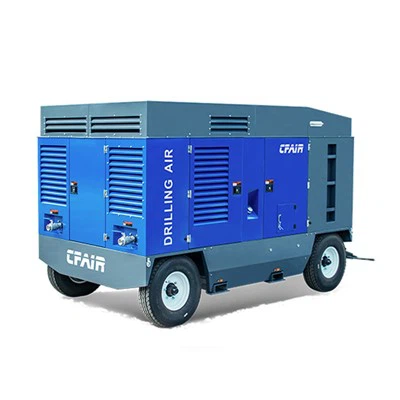
Temperature variations can significantly impact the performance of separator elements. As a supplier of high - quality separator elements, I understand the challenges that temperature - related performance changes pose to our customers. In this blog, I will share some effective strategies on how to compensate for these changes, ensuring the optimal operation of separator elements in various temperature conditions.
Understanding the Impact of Temperature on Separator Elements
Before delving into the compensation methods, it is crucial to understand how temperature affects separator elements. Generally, separator elements are designed to work within a specific temperature range. When the operating temperature deviates from this range, several performance parameters can be affected.
At high temperatures, the viscosity of the fluid passing through the separator element decreases. This can lead to reduced separation efficiency as the fluid flows more easily through the element, allowing smaller particles to pass through without being trapped. Additionally, high temperatures can cause the materials of the separator element to degrade over time, shortening its lifespan.
On the other hand, low temperatures can increase the viscosity of the fluid, making it more difficult for the fluid to flow through the separator element. This can result in increased pressure drop across the element, which may lead to reduced flow rates and potentially damage the separator element or other components in the system.
Strategies for Compensating Temperature - Related Performance Changes
1. Material Selection
One of the fundamental ways to compensate for temperature - related performance changes is through proper material selection. When manufacturing separator elements, we need to choose materials that can withstand a wide range of temperatures without significant degradation.
For high - temperature applications, we can use heat - resistant materials such as certain types of synthetic fibers or ceramics. These materials can maintain their structural integrity and separation efficiency even at elevated temperatures. For example, some advanced synthetic fibers have a high melting point and excellent chemical stability, which allows them to perform well in high - temperature environments.
In low - temperature applications, materials with good flexibility at low temperatures are preferred. Elastomers with a low glass - transition temperature can be used in the seals and gaskets of the separator element to ensure a proper seal even in cold conditions. This helps to prevent leaks and maintain the overall performance of the separator element.
2. Temperature Monitoring and Control
Installing temperature sensors in the system can provide real - time information about the operating temperature of the separator element. By continuously monitoring the temperature, we can take proactive measures to compensate for any performance changes.
If the temperature is too high, we can implement cooling measures. For example, we can use a heat exchanger to cool the fluid before it enters the separator element. This helps to reduce the temperature of the fluid and maintain the optimal operating conditions for the separator element. On the other hand, if the temperature is too low, we can use heaters to warm the fluid or the separator element itself.
In addition to monitoring the temperature of the fluid, it is also important to monitor the temperature of the separator element housing. The housing temperature can affect the performance of the seals and other components, and appropriate measures can be taken to control it.
3. Adjusting Operating Parameters
Based on the temperature readings, we can adjust the operating parameters of the system to compensate for the performance changes of the separator element.
When the temperature is high, we can reduce the flow rate of the fluid through the separator element. This gives the fluid more time to interact with the separator element, improving the separation efficiency. We can also increase the back - flushing frequency of the separator element to remove any accumulated particles more effectively, as the reduced viscosity of the fluid at high temperatures may cause particles to be more easily trapped in the element.


In low - temperature conditions, we can increase the pressure applied to the system slightly to overcome the increased viscosity of the fluid. However, this should be done carefully to avoid over - stressing the separator element or other components.
4. System Design Considerations
Proper system design can also help to compensate for temperature - related performance changes. For example, we can design the system with sufficient insulation to minimize heat loss or gain. This is especially important in outdoor applications or in environments with large temperature variations.
We can also incorporate bypass valves in the system. When the temperature is outside the optimal range for the separator element, the bypass valve can divert the fluid to a secondary path or a pre - treatment unit. This allows the system to continue operating while protecting the separator element from extreme temperature conditions.
Role of Related Components
Relay Air Compressor
The Relay Air Compressor plays an important role in the overall system where the separator element is used. In a compressed air system, the relay air compressor provides the necessary pressure to drive the air through the separator element. Temperature can affect the performance of the air compressor, which in turn can impact the separator element.
At high temperatures, the efficiency of the air compressor may decrease, resulting in lower air pressure. This can lead to reduced flow through the separator element and affect its separation performance. By ensuring that the relay air compressor is properly maintained and can operate efficiently in different temperature conditions, we can help to maintain the optimal performance of the separator element.
Air Compressor Solenoid Valve
The Air Compressor Solenoid Valve is used to control the flow of compressed air in the system. Temperature can affect the operation of the solenoid valve, such as the response time and the sealing performance.
In high - temperature environments, the solenoid valve may experience overheating, which can cause it to malfunction. This can lead to improper control of the air flow through the separator element. On the other hand, in low - temperature conditions, the lubricants in the solenoid valve may thicken, affecting its movement. By choosing solenoid valves that are suitable for the operating temperature range and implementing proper temperature compensation measures for the valves, we can ensure the reliable operation of the entire system and the separator element.
Air Compressor Drain Valve
The Air Compressor Drain Valve is responsible for removing condensate from the compressed air system. Temperature can affect the amount of condensate formed and the operation of the drain valve.
At high temperatures, more moisture may be present in the compressed air, leading to increased condensate formation. If the drain valve is not functioning properly due to temperature - related issues, the condensate can accumulate in the system and damage the separator element. In low - temperature conditions, the drain valve may freeze, preventing the proper removal of condensate. By selecting drain valves that can operate effectively in different temperature conditions and implementing heating or insulation measures for the drain valve if necessary, we can protect the separator element from the negative effects of condensate.
Conclusion
Compensating for temperature - related performance changes in separator elements is essential for ensuring the reliable and efficient operation of the entire system. By implementing strategies such as proper material selection, temperature monitoring and control, adjusting operating parameters, and considering system design, we can minimize the impact of temperature variations on the separator element.
Moreover, the proper functioning of related components such as the relay air compressor, air compressor solenoid valve, and air compressor drain valve is also crucial. These components work together to create an optimal operating environment for the separator element.
If you are facing challenges related to temperature - affected separator element performance or are looking for high - quality separator elements that can withstand different temperature conditions, I invite you to contact us for a detailed discussion. We are committed to providing you with the best solutions and products to meet your specific needs.
References
- Smith, J. (2018). "Temperature Effects on Filtration Systems". Journal of Industrial Filtration, 25(3), 123 - 135.
- Johnson, R. (2019). "Material Selection for High - Temperature Filtration Applications". Materials Science Review, 32(2), 89 - 102.
- Brown, A. (2020). "System Design Considerations for Temperature - Resistant Separation Systems". Process Engineering Journal, 45(4), 201 - 215.