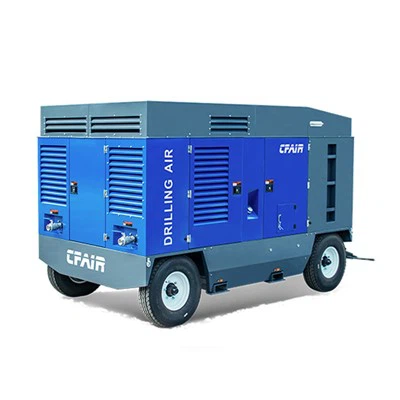
A diesel-driven compressor is a workhorse in many industrial and construction settings, providing reliable compressed air for various applications. The intercooler in a diesel-driven compressor plays a crucial role in maintaining its efficiency and performance. Over time, the intercooler can become dirty, which may lead to decreased efficiency, increased fuel consumption, and potential damage to the compressor. In this blog, as a diesel-driven compressor supplier, I'll share some professional insights on how to clean the intercooler of a diesel-driven compressor.
Understanding the Intercooler's Function
Before diving into the cleaning process, it's essential to understand why the intercooler is so important. When air is compressed in the diesel-driven compressor, its temperature rises significantly. High-temperature air is less dense, which means less air can be packed into the same volume. This results in reduced compressor efficiency. The intercooler cools down the compressed air between stages of compression, increasing its density and allowing the compressor to deliver more air at a given pressure. A clean intercooler ensures that this cooling process is efficient, thereby optimizing the compressor's performance.
Signs That Your Intercooler Needs Cleaning
There are several signs that indicate your intercooler may be dirty and in need of cleaning. One of the most obvious signs is a decrease in compressor efficiency. If you notice that your compressor is taking longer to reach the desired pressure or is consuming more fuel than usual, a dirty intercooler could be the culprit. Another sign is an increase in the temperature of the compressed air. You can use a temperature gauge to measure the air temperature at the outlet of the intercooler. If the temperature is higher than normal, it may be time to clean the intercooler. Additionally, if you see a significant amount of dirt or debris on the exterior of the intercooler, it's a clear indication that it needs attention.
Preparing for the Cleaning Process
Cleaning the intercooler of a diesel-driven compressor requires some preparation. First, make sure to turn off the compressor and allow it to cool down completely. This is crucial to avoid any risk of burns or injuries. Next, gather the necessary tools and cleaning supplies. You'll typically need a soft brush, a pressure washer or a garden hose with a high-pressure nozzle, a suitable cleaning solution, and safety equipment such as gloves and goggles.
It's also a good idea to refer to the compressor's user manual for specific instructions and safety guidelines. Different models of diesel-driven compressors may have slightly different intercooler designs, so it's important to follow the manufacturer's recommendations.
Step-by-Step Cleaning Process
Step 1: Remove the Intercooler
In most cases, you'll need to remove the intercooler from the compressor for a thorough cleaning. This usually involves disconnecting the air intake and outlet hoses, as well as any mounting brackets or bolts that hold the intercooler in place. Be careful not to damage the hoses or any other components during this process. Once the intercooler is removed, place it on a clean and stable surface.
Step 2: Inspect the Intercooler
Before you start cleaning, take a close look at the intercooler to assess the extent of the dirt and damage. Look for any signs of corrosion, leaks, or blocked fins. If you notice any significant damage, it may be necessary to replace the intercooler rather than attempting to clean it.
Step 3: Pre-Cleaning
Use a soft brush to gently remove any loose dirt, debris, or leaves from the exterior of the intercooler. Pay special attention to the fins, as these are often the areas where dirt accumulates the most. Be careful not to bend or damage the fins, as this can affect the intercooler's performance.
Step 4: Apply the Cleaning Solution
Mix a suitable cleaning solution according to the manufacturer's instructions. You can use a commercial intercooler cleaner or a mild detergent. Apply the cleaning solution to the intercooler using a spray bottle or a sponge. Make sure to cover all areas of the intercooler, including the fins and the interior passages. Allow the cleaning solution to soak for a few minutes to loosen the dirt and grime.
Step 5: Rinse the Intercooler
Use a pressure washer or a garden hose with a high-pressure nozzle to rinse the intercooler thoroughly. Start from the top and work your way down, making sure to remove all the cleaning solution and dirt. Use a gentle stream of water to avoid damaging the fins. If there are any stubborn areas of dirt, you can use a soft brush to gently scrub them while rinsing.
Step 6: Dry the Intercooler
After rinsing, allow the intercooler to dry completely. You can use a clean cloth to wipe off any excess water, or you can let it air dry in a well-ventilated area. Make sure the intercooler is completely dry before reinstalling it, as any remaining moisture can cause corrosion.
Step 7: Reinstall the Intercooler
Once the intercooler is dry, carefully reinstall it in the compressor. Reconnect the air intake and outlet hoses, and secure the intercooler with the mounting brackets or bolts. Make sure all connections are tight and secure.


Benefits of Regular Intercooler Cleaning
Regularly cleaning the intercooler of your diesel-driven compressor offers several benefits. Firstly, it improves the compressor's efficiency, which means it can deliver more compressed air with less fuel consumption. This not only saves you money on fuel costs but also reduces the environmental impact of your operations. Secondly, a clean intercooler helps to extend the lifespan of the compressor by reducing the stress on other components. By keeping the compressed air temperature within the optimal range, you can prevent overheating and premature wear and tear. Finally, regular cleaning can help to identify any potential issues with the intercooler or other parts of the compressor early on, allowing you to address them before they become major problems.
Maintenance Tips
In addition to regular cleaning, there are some other maintenance tips that can help keep your intercooler in good condition. One of the most important things is to ensure that the air intake of the compressor is clean and free from debris. You can install a pre-filter or a dust separator to prevent dirt and dust from entering the compressor and clogging the intercooler. It's also a good idea to check the intercooler regularly for any signs of damage or leaks, and to replace any worn or damaged parts as soon as possible.
Conclusion
As a diesel-driven compressor supplier, I understand the importance of maintaining the performance and efficiency of your equipment. Cleaning the intercooler of a diesel-driven compressor is a relatively simple but essential maintenance task that can have a significant impact on the compressor's performance and lifespan. By following the steps outlined in this blog, you can ensure that your intercooler remains clean and functioning properly.
If you're in the market for a new Diesel Air Compressor, Mobile Diesel Compressor, or Mobile Air Compressor, we have a wide range of high-quality products to meet your needs. Whether you're working in construction, mining, or any other industry that requires compressed air, our compressors are designed to deliver reliable performance and efficiency. If you have any questions or would like to discuss your specific requirements, please don't hesitate to contact us for a purchase negotiation. We look forward to serving you and helping you find the perfect compressor solution for your business.
References
- Compressor Manufacturer's User Manuals
- Industry Standards and Best Practices for Compressor Maintenance