Selecting the right pneumatic drill is a crucial decision that can significantly impact the efficiency and quality of your work. As a pneumatic tools supplier, I understand the importance of making an informed choice. In this blog post, I'll guide you through the key factors to consider when choosing a pneumatic drill, ensuring that you find the perfect tool for your specific needs.
Understanding Your Application
The first step in choosing the right pneumatic drill is to understand your application. Different tasks require different types of drills. For instance, if you're working on light - duty tasks such as assembling furniture or drilling small holes in wood, a low - power, compact pneumatic drill will suffice. On the other hand, heavy - duty applications like construction work, metal fabrication, or mining demand more powerful and robust drills.
For construction projects, especially those involving concrete and masonry, you might want to consider an Air Powered Rock Drill. These drills are designed to handle the tough job of breaking through hard materials with high impact force. They are equipped with specialized bits and powerful air motors to ensure efficient and effective drilling.
Power and Performance
Power is a critical factor when it comes to pneumatic drills. The power of a pneumatic drill is typically measured in terms of air pressure and air consumption. Higher air pressure generally means more drilling force, but it also requires a more powerful air compressor to support it.
When evaluating the power of a drill, consider the air pressure range it can operate within. Most pneumatic drills work well within a range of 90 - 120 pounds per square inch (psi). However, some heavy - duty drills may require higher pressures. You should also take into account the air consumption rate, measured in cubic feet per minute (cfm). A drill with a high cfm rating will need a larger air compressor to maintain consistent performance.
For example, if you have a large - scale construction project, you'll need a drill with high power and performance. A drill with a high cfm rating and the ability to handle high air pressures will ensure that you can drill through thick concrete or metal quickly and efficiently.
Drill Speed and Torque
Drill speed and torque are two important performance metrics that directly affect the drilling process. Drill speed is measured in revolutions per minute (RPM). Higher RPMs are suitable for drilling through softer materials like wood and plastic, as they allow for faster cutting. Lower RPMs, on the other hand, are better for drilling through harder materials such as metal and concrete, as they provide more control and prevent the drill bit from overheating.
Torque is the rotational force that the drill can apply. A drill with high torque is capable of driving large - diameter drill bits through tough materials. When choosing a drill, consider the type of materials you'll be working with and the size of the drill bits you'll need. For example, if you're frequently using large - diameter bits for metal drilling, you'll need a drill with high torque.


Ergonomics and Comfort
Working with a pneumatic drill for extended periods can be physically demanding. Therefore, ergonomics and comfort are essential considerations. A well - designed drill should fit comfortably in your hand, with a balanced weight distribution to reduce fatigue.
Look for drills with ergonomic grips that provide a secure and comfortable hold. Some drills also feature adjustable handles or trigger mechanisms, allowing you to customize the tool to your specific needs. Additionally, consider the noise level of the drill. High - noise drills can be not only annoying but also harmful to your hearing over time. Choose a drill with a relatively low noise level to ensure a more comfortable working environment.
Durability and Maintenance
Pneumatic drills are often used in harsh working conditions, so durability is a must. Look for drills made from high - quality materials such as aluminum or steel. These materials are strong, lightweight, and resistant to corrosion.
The drill should also be easy to maintain. Regular maintenance, such as cleaning and lubricating the drill, is essential to keep it in good working condition. Some drills are designed with easy - access components, making it simple to perform maintenance tasks. Additionally, check if the drill comes with a warranty. A good warranty indicates that the manufacturer has confidence in the quality of their product.
Cost - Effectiveness
Cost is always a factor when making a purchase. However, it's important to consider the long - term cost - effectiveness rather than just the initial price. A more expensive drill may offer better performance, durability, and reliability, which can save you money in the long run by reducing the need for frequent replacements and repairs.
Compare the prices of different drills, taking into account their features, power, and quality. Also, consider the cost of accessories and consumables such as drill bits and air hoses. Some drills may require specialized accessories, which can add to the overall cost.
Compatibility with Air Compressor
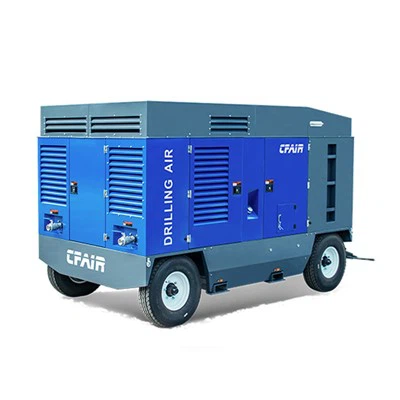
Since pneumatic drills rely on air compressors for power, it's crucial to ensure compatibility between the drill and your air compressor. As mentioned earlier, consider the air pressure and air consumption requirements of the drill. Your air compressor should be able to provide the necessary air pressure and volume to operate the drill effectively.
If you're not sure about the compatibility, consult the manufacturer's specifications or seek advice from a professional. In some cases, you may need to upgrade your air compressor to support a more powerful drill. For example, if you're using an Air Jack Compressor and plan to purchase a high - power pneumatic drill, make sure the compressor can meet the drill's requirements.
Additional Features
Some pneumatic drills come with additional features that can enhance their functionality and usability. For example, some drills have a reverse function, which allows you to remove screws or back out the drill bit easily. Others may have a variable speed control, giving you more flexibility in different drilling applications.
Some drills also come with built - in LED lights, which can be very useful when working in low - light conditions. These additional features can make your work easier and more efficient, so it's worth considering them when choosing a drill.
Safety Features
Safety should always be a top priority when working with pneumatic drills. Look for drills with safety features such as a safety switch or a lock - off button. These features prevent accidental starts, reducing the risk of injury.
The drill should also have proper ventilation to prevent overheating, which can not only damage the drill but also pose a safety hazard. Additionally, make sure to wear appropriate personal protective equipment (PPE) such as safety glasses, ear protection, and gloves when using a pneumatic drill.
Conclusion
Choosing the right pneumatic drill requires careful consideration of your application, power and performance needs, ergonomics, durability, cost - effectiveness, compatibility with your air compressor, additional features, and safety features. As a pneumatic tools supplier, I'm here to help you make the best choice.
If you're still unsure which pneumatic drill is right for you, or if you have any questions about our products, please feel free to reach out. We're happy to assist you in finding the perfect tool for your specific requirements. Whether you need a drill for a small DIY project or a large - scale industrial application, we have a wide range of high - quality pneumatic drills to choose from, including the Hand Held Jack Hammer for heavy - duty tasks.
Contact us today to start your procurement process and let us help you find the ideal pneumatic drill for your work.
References
- Manufacturer's product specifications of various pneumatic drills.
- Industry standards and guidelines for pneumatic tool selection and use.
- Technical literature on air compressors and their compatibility with pneumatic tools.