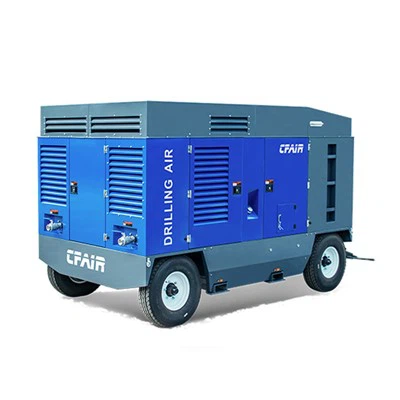
Selecting the right mobile air compressor is a critical decision that can significantly impact the efficiency and productivity of your operations. As a seasoned supplier of mobile air compressors, I understand the complexities involved in this choice. In this blog, I'll guide you through the essential factors to consider when choosing a mobile air compressor, ensuring you make an informed decision that meets your specific needs.
Understanding Your Requirements
The first step in choosing the right mobile air compressor is to understand your specific requirements. Consider the following aspects:
Air Demand
Determine the required air flow (measured in cubic feet per minute - CFM) and pressure (measured in pounds per square inch - PSI) for your applications. Different tools and equipment have varying air requirements. For example, pneumatic drills may require 3 - 5 CFM at 90 PSI, while sandblasting equipment may need 10 - 20 CFM or more at higher pressures. Make a list of all the tools you plan to use with the compressor and calculate the total air demand.
Application Environment
The environment in which the compressor will operate is also crucial. If you'll be using the compressor outdoors in harsh conditions, such as construction sites or mining operations, you'll need a robust and durable unit. Look for compressors with features like heavy - duty frames, protective enclosures, and weather - resistant components. On the other hand, if the compressor will be used indoors in a more controlled environment, such as a workshop, a more compact and quiet model may be suitable.
Mobility Requirements
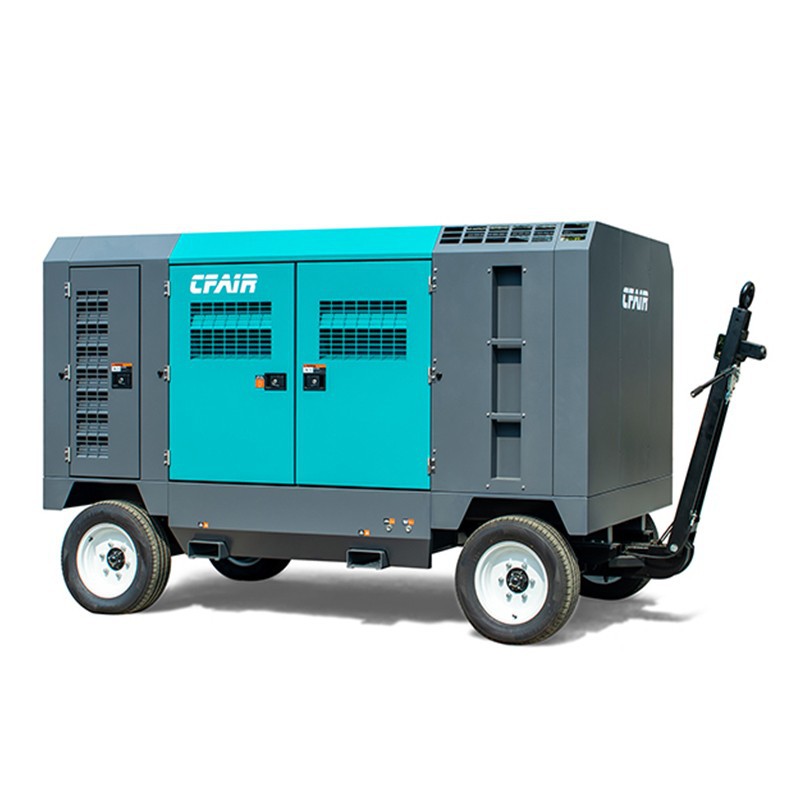
Since you're considering a mobile air compressor, think about how easily you need to move it. If you'll be transporting the compressor between different job sites, a smaller, lightweight unit with wheels or a trailer - mounted option may be ideal. For larger operations where the compressor can stay in one place for longer periods but still needs to be moved occasionally, a skid - mounted or truck - mounted compressor might be more appropriate.
Types of Mobile Air Compressors
There are several types of mobile air compressors available, each with its own advantages and disadvantages.

Reciprocating Compressors
Reciprocating compressors use pistons to compress air. They are relatively simple in design and are often more affordable than other types. They are suitable for small - scale applications with intermittent air demand, such as inflating tires or powering small pneumatic tools. However, they tend to be louder, less efficient, and require more maintenance compared to other types.
Rotary Screw Compressors
Rotary screw compressors are a popular choice for many industrial applications. They use two interlocking screws to compress air continuously. These compressors are known for their high efficiency, quiet operation, and low maintenance requirements. They can handle higher air demands and are suitable for applications that require a continuous supply of compressed air, such as sandblasting, painting, and operating large pneumatic machinery.
Diesel - Powered Compressors
Mobile diesel air compressors are powered by diesel engines. They are a great option for remote job sites where access to electricity is limited. Diesel engines are known for their durability, high torque, and long - running times. They can provide a reliable source of compressed air even in challenging environments. However, they require regular maintenance of the engine and may produce more emissions compared to electric compressors.
Electric Compressors
Electric compressors are powered by electricity. They are generally quieter, more energy - efficient, and produce no emissions. They are suitable for indoor use or job sites where noise and emissions are a concern. However, they require access to a power source, which can be a limitation in remote areas.
Key Features to Look For
When choosing a mobile air compressor, pay attention to the following key features:
Tank Size
The tank size of the compressor determines how much compressed air it can store. A larger tank can provide a more consistent supply of air, especially for applications with fluctuating air demand. However, larger tanks also mean a larger and heavier compressor. Consider your air demand and mobility requirements when choosing the tank size.
Horsepower
The horsepower of the compressor's engine or motor is an indication of its power. Higher horsepower generally means the compressor can produce more air flow and pressure. However, it also means higher energy consumption and potentially higher costs. Choose a compressor with enough horsepower to meet your air demand without over - sizing.
Control System
A good control system allows you to easily adjust the pressure and air flow of the compressor. Some compressors come with advanced control systems that can automatically adjust the compressor's operation based on the air demand, improving efficiency and reducing energy consumption.
Safety Features
Safety should always be a top priority. Look for compressors with features such as pressure relief valves, over - temperature protection, and low - oil shutdown. These features can prevent damage to the compressor and ensure the safety of the operators.
Brand and Manufacturer Reputation
The reputation of the brand and manufacturer is an important factor to consider. A well - established brand with a good track record is more likely to produce high - quality, reliable compressors. Research customer reviews and ratings, and look for manufacturers that offer good after - sales service and support.
Cost Considerations
The cost of the mobile air compressor includes not only the initial purchase price but also the operating costs, maintenance costs, and potential repair costs over the life of the compressor. While it may be tempting to choose the cheapest option, a higher - quality compressor may save you money in the long run due to lower operating and maintenance costs.
Conclusion
Choosing the right mobile air compressor is a complex process that requires careful consideration of your specific requirements, the types of compressors available, key features, brand reputation, and cost. By taking the time to evaluate these factors, you can select a compressor that will meet your needs and provide reliable performance for years to come.
If you're in the market for a mobile air compressor, I encourage you to explore our wide range of industrial portable air compressors. Our team of experts is ready to assist you in finding the perfect compressor for your application. Contact us to start a discussion about your requirements and explore the best options for your business.
References
- Compressed Air and Gas Institute (CAGI). Technical standards and guidelines for air compressors.
- Industrial Equipment News. Articles on the latest trends and technologies in air compressors.
- Manufacturer's product manuals and specifications.