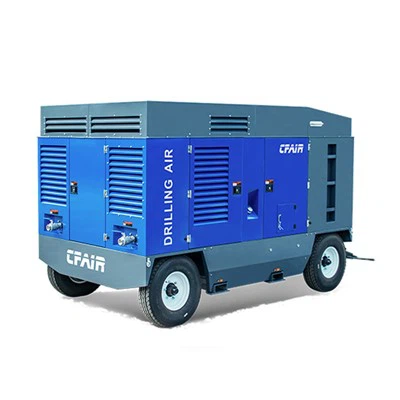
Maintaining the proper oil level in oil-injected screw air compressors is crucial for their efficient and reliable operation. As a trusted supplier of Screw Air Compressors, I understand the significance of this maintenance task and am here to guide you through the process. In this blog, I'll share detailed steps on how to check the oil level in oil-injected screw air compressors, along with some essential tips and best practices.
Why Checking Oil Level is Important
Before we dive into the checking process, let's understand why it's so important to keep an eye on the oil level in your oil-injected screw air compressor. The oil in these compressors serves multiple critical functions. Firstly, it lubricates the moving parts, reducing friction and wear. This helps to extend the lifespan of the compressor and ensures smooth operation. Secondly, the oil acts as a coolant, dissipating the heat generated during the compression process. Without sufficient oil, the compressor can overheat, leading to potential damage and reduced efficiency. Additionally, the oil seals the clearances between the rotors and the housing, preventing air leakage and maintaining the compression efficiency.
Pre - check Preparations
Before you start checking the oil level, there are a few preparations you need to make. First, ensure that the compressor is turned off and has cooled down completely. Operating a compressor with hot oil can be dangerous, and it's also difficult to get an accurate oil level reading when the oil is hot. You should also gather the necessary tools, such as a clean cloth or rag to wipe the sight glass or dipstick, and a flashlight if the area around the oil level indicator is poorly lit.
Step - by - Step Guide to Checking the Oil Level
1. Locate the Oil Level Indicator
The location of the oil level indicator can vary depending on the model and make of your oil - injected screw air compressor. In most cases, there are two common types of oil level indicators: sight glasses and dipsticks.
- Sight Glass: Many modern compressors are equipped with a sight glass. This is a transparent window on the compressor housing that allows you to visually inspect the oil level. The sight glass usually has markings indicating the minimum and maximum oil levels.
- Dipstick: Some compressors use a dipstick to measure the oil level. To access the dipstick, you'll need to remove a cap or cover on the compressor.
2. Clean the Indicator
If you're using a sight glass, use a clean cloth to wipe the outside of the glass. This will ensure that you can clearly see the oil level. If there's any dirt or debris on the glass, it can make it difficult to get an accurate reading. For a dipstick, wipe it clean with a cloth before inserting it into the oil reservoir.
3. Check the Oil Level
- Sight Glass Method: Look through the sight glass and check where the oil level falls in relation to the markings. The oil level should be between the minimum and maximum marks. If the oil level is below the minimum mark, it's time to add oil. If it's above the maximum mark, you may need to drain some oil.
- Dipstick Method: Insert the dipstick fully into the oil reservoir and then pull it out. The oil will leave a mark on the dipstick. Compare the mark on the dipstick with the markings on the dipstick itself. Similar to the sight glass method, the oil level should be between the minimum and maximum marks.
4. Take Multiple Readings
To ensure accuracy, it's a good idea to take multiple readings. If you're using a sight glass, look at it from different angles to make sure you're getting a clear view of the oil level. If you're using a dipstick, re - insert it a couple of times and check the reading each time. This can help to eliminate any errors due to improper insertion or splashing of the oil.
What to Do if the Oil Level is Low or High
Low Oil Level
If the oil level is below the minimum mark, you need to add oil to the compressor. However, it's important to use the correct type of oil recommended by the compressor manufacturer. Using the wrong oil can cause damage to the compressor and void the warranty. Refer to the compressor's user manual for the specific oil type and viscosity. Slowly pour the oil into the oil reservoir, and periodically check the oil level using the method described above until it reaches the appropriate level.


High Oil Level
If the oil level is above the maximum mark, you need to drain some oil. First, make sure the compressor is turned off and cooled down. Locate the oil drain valve, which is usually at the bottom of the compressor. Place a suitable container under the drain valve to collect the oil. Open the drain valve slowly and let the oil drain until the oil level reaches the correct range. Close the drain valve tightly when you're done.
Tips and Best Practices
- Regular Checks: Make it a part of your regular maintenance schedule to check the oil level in your oil - injected screw air compressor. Depending on the usage, you may need to check it weekly, bi - weekly, or monthly.
- Keep Records: Maintain a log of the oil level checks, including the date, time, and the oil level reading. This can help you identify any trends, such as a gradual decrease in oil level, which may indicate a leak.
- Inspect for Leaks: While checking the oil level, also inspect the compressor for any signs of oil leaks. Look for oil stains or puddles around the compressor, and check the connections and seals for any signs of leakage. If you detect a leak, it should be repaired as soon as possible.
Related Products
If you're in the market for a new air compressor or looking to upgrade your existing one, we offer a wide range of high - quality Screw Air Compressors. For those in need of a mobile solution, our Truck Mounted Rotary Screw Air Compressor is a great option. It provides reliable compressed air on the go, making it ideal for various applications such as construction sites and fieldwork.
Our Construction Compressor is specifically designed to meet the demanding requirements of the construction industry. It offers high performance and durability, ensuring that you have a steady supply of compressed air for your tools and equipment.
For applications that require a large volume of compressed air, our High CFM Air Compressor is the perfect choice. With a high cubic feet per minute (CFM) rating, it can power multiple air tools simultaneously.
Conclusion
Checking the oil level in oil - injected screw air compressors is a simple yet essential maintenance task that can significantly impact the performance and lifespan of your compressor. By following the steps outlined in this blog and adhering to the best practices, you can ensure that your compressor operates at its best. If you have any questions or need further assistance with your air compressor, or if you're interested in purchasing a new compressor, don't hesitate to contact us. Our team of experts is always ready to help you make the right decision and provide you with the best solutions for your compressed air needs.
References
- Manufacturer's user manuals for oil - injected screw air compressors
- Industry standards and guidelines for air compressor maintenance