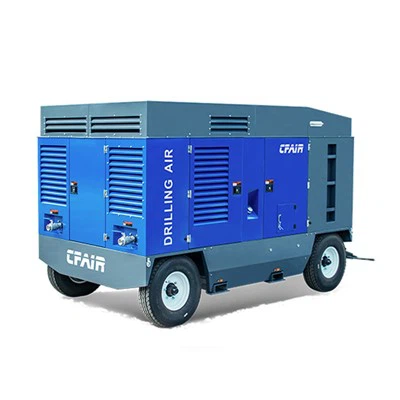
As a trusted supplier of Diesel Driven Compressors, I understand the critical importance of maintaining proper air pressure in these machines. Correct air pressure is not only essential for the efficient operation of the compressor but also for ensuring its longevity and safety. In this blog, I will guide you through the process of checking the air pressure of a diesel-driven compressor, providing you with the knowledge and steps needed to keep your equipment in top condition.
Why is Checking Air Pressure Important?
Before diving into the checking process, let's understand why it is so crucial. Diesel-driven compressors are used in a wide range of applications, from construction sites to industrial manufacturing. The air they produce powers various tools and equipment. If the air pressure is too low, these tools may not function properly, leading to reduced productivity and potential damage to the tools themselves. On the other hand, excessive air pressure can put unnecessary stress on the compressor, leading to premature wear and tear, and even safety hazards. By regularly checking the air pressure, you can ensure that your compressor is operating at its optimal level, saving you time, money, and potential headaches in the long run.
Tools Required for Checking Air Pressure
To check the air pressure of a diesel-driven compressor, you will need a few basic tools:
- Pressure Gauge: This is the most important tool for measuring air pressure. Make sure to use a gauge that is compatible with the compressor's pressure range.
- Safety Gear: Wear safety glasses and gloves to protect yourself from any potential hazards, such as high-pressure air or sharp edges.
- Wrench: You may need a wrench to remove the pressure gauge or other components if necessary.
Step-by-Step Guide to Checking Air Pressure
Now, let's go through the step-by-step process of checking the air pressure of a diesel-driven compressor:


Step 1: Prepare the Compressor
- Ensure that the compressor is turned off and has cooled down. This is important to prevent any injuries from hot components or high-pressure air.
- If the compressor has a drain valve, open it to release any moisture or condensation that may have accumulated in the tank. This helps to ensure accurate pressure readings.
Step 2: Locate the Pressure Gauge
- The pressure gauge is usually located on the compressor's control panel or near the air outlet. It may be labeled as "Air Pressure" or "PSI" (pounds per square inch).
- If you have trouble finding the pressure gauge, refer to the compressor's user manual for guidance.
Step 3: Check the Gauge Reading
- Once you have located the pressure gauge, take a reading. The normal operating pressure of a diesel-driven compressor can vary depending on the model and application. However, most compressors typically operate within a range of 90 to 120 PSI.
- Compare the gauge reading to the recommended operating pressure specified in the compressor's user manual. If the reading is too low or too high, adjustments may be necessary.
Step 4: Adjust the Pressure (if necessary)
- If the pressure reading is outside the recommended range, you may need to adjust the pressure regulator. The pressure regulator is usually located near the pressure gauge or on the compressor's control panel.
- To adjust the pressure, turn the regulator knob clockwise to increase the pressure or counterclockwise to decrease it. Make small adjustments and check the pressure gauge after each adjustment until you reach the desired pressure.
- It's important to note that some compressors may have a maximum pressure limit. Do not exceed this limit, as it can cause damage to the compressor or pose a safety risk.
Step 5: Recheck the Pressure
- After making any adjustments, recheck the pressure gauge to ensure that the pressure is within the recommended range. If the pressure is still not correct, you may need to repeat the adjustment process or consult a professional technician for further assistance.
Step 6: Secure the Pressure Gauge
- Once you are satisfied with the pressure reading, make sure to secure the pressure gauge properly. If you removed the gauge for any reason, reinstall it using the wrench and tighten it securely.
Step 7: Start the Compressor
- After checking and adjusting the air pressure, start the compressor and let it run for a few minutes to ensure that it is operating smoothly.
- Monitor the pressure gauge during operation to make sure that the pressure remains stable. If you notice any fluctuations or abnormal readings, stop the compressor immediately and investigate the cause.
Tips for Maintaining Proper Air Pressure
In addition to regularly checking the air pressure, here are some tips for maintaining proper air pressure in your diesel-driven compressor:
- Follow the Manufacturer's Recommendations: Refer to the compressor's user manual for specific maintenance instructions and recommended operating pressures.
- Inspect the Compressor Regularly: Check for any signs of damage, leaks, or wear and tear. Replace any worn or damaged components as soon as possible to prevent further problems.
- Keep the Compressor Clean: Regularly clean the compressor to remove any dirt, dust, or debris that may accumulate on the components. This helps to ensure proper airflow and efficient operation.
- Use the Right Lubricant: Make sure to use the recommended lubricant for the compressor's engine and other moving parts. This helps to reduce friction and wear, and extends the life of the compressor.
Conclusion
Checking the air pressure of a diesel-driven compressor is a simple but important task that can help to ensure its efficient operation and longevity. By following the steps outlined in this blog and using the right tools and safety precautions, you can easily check and adjust the air pressure of your compressor. Remember to always refer to the compressor's user manual for specific instructions and recommendations, and if you have any questions or concerns, don't hesitate to consult a professional technician.
At [Your Company], we are a leading supplier of Air Compressor Engine Driven, Diesel Air Compressor, and Portable Diesel Air Compressors. Our compressors are built to last and are designed to meet the needs of a wide range of applications. If you are in the market for a high-quality diesel-driven compressor or need any assistance with compressor maintenance, please contact us to discuss your requirements. We look forward to working with you!
References
- Compressor Manufacturer's User Manual
- Industry Standards and Guidelines for Compressor Maintenance