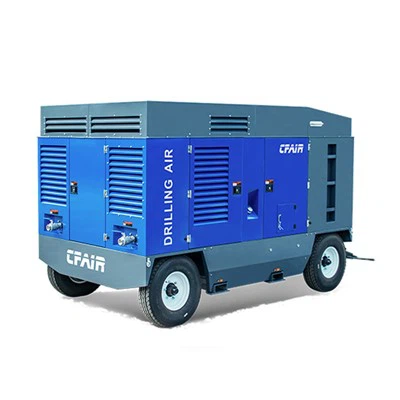
Hey there! As a supplier of air compressor air filters, I've seen firsthand how crucial these little components are for the smooth operation of air compressors. One of the key functions of an air compressor air filter is to protect against rust and scale, and today, I'm gonna break down how it does just that.
The Basics of Rust and Scale in Air Compressors
Before we dive into how the air filter plays its part, let's quickly talk about what rust and scale are and why they're a big deal in air compressors. Rust is essentially the oxidation of metal, which happens when iron or steel comes into contact with oxygen and moisture. In an air compressor, the presence of water vapor in the compressed air can create the perfect environment for rust to form on the internal metal parts.
Scale, on the other hand, is a buildup of mineral deposits. When water contains dissolved minerals like calcium and magnesium, these minerals can precipitate out and form a hard, crusty layer on the surfaces inside the air compressor. Both rust and scale can cause a whole host of problems, from reducing the efficiency of the compressor to causing mechanical failures and shortening the lifespan of the equipment.
How the Air Filter Steps In
Removing Moisture
One of the primary ways an air compressor air filter protects against rust and scale is by removing moisture from the incoming air. Most air filters are designed with a combination of media that can trap water droplets and vapor. As the air passes through the filter, the moisture gets caught in the filter media, preventing it from entering the compressor.
Think of it like a doorman at a fancy party. The air filter stands at the entrance of the air compressor, checking each molecule of air for unwanted guests (in this case, moisture). If it finds any, it stops them from getting in, keeping the inside of the compressor dry and rust - free.
Filtering Out Particulates
In addition to moisture, air contains all sorts of tiny particles like dust, dirt, and sand. These particulates can act as catalysts for rust and scale formation. When they come into contact with the metal surfaces inside the compressor, they can scratch the protective coating on the metal, exposing it to oxygen and moisture.
The air filter acts as a barrier, capturing these particles before they can enter the compressor. By keeping the air clean, the filter reduces the chances of abrasion on the metal parts, which in turn helps prevent rust and scale from forming.
Maintaining Air Quality
A high - quality air filter also helps maintain the overall air quality inside the compressor. Clean air means less chance of chemical reactions that can lead to rust and scale. Some advanced air filters are even designed to remove certain gases and contaminants that can contribute to corrosion.
For example, industrial environments often have pollutants like sulfur dioxide and nitrogen oxides in the air. These gases can react with moisture to form acids, which are extremely corrosive to metal. A good air filter can remove these harmful gases, protecting the compressor from acid - induced rust and scale.
The Role of Different Filter Types
Coalescing Filters
Coalescing filters are particularly effective at removing moisture. They work by causing small water droplets to combine (or coalesce) into larger droplets, which then fall out of the air stream due to gravity. These filters are often used in applications where the air has a high moisture content, such as in coastal areas or in industries where water is used in the manufacturing process.
Particulate Filters
Particulate filters, as the name suggests, are focused on removing solid particles from the air. They come in different grades, depending on the size of the particles they can capture. The finer the filter grade, the smaller the particles it can trap. These filters are essential for protecting the compressor from abrasion and the subsequent rust and scale formation caused by particulate matter.
Activated Carbon Filters
Activated carbon filters are great for removing odors, gases, and some volatile organic compounds (VOCs). As mentioned earlier, certain gases can contribute to corrosion, so an activated carbon filter can play an important role in maintaining a clean and non - corrosive environment inside the compressor.
Complementary Accessories
When it comes to protecting your air compressor from rust and scale, the air filter doesn't work alone. There are several accessories that can work in tandem with the air filter to enhance the protection.


Oil Temprature Sensor
An Oil Temprature Sensor is a valuable accessory for any air compressor. It monitors the temperature of the oil in the compressor. If the oil gets too hot, it can break down and lose its lubricating properties, which can lead to increased friction and wear on the metal parts. By keeping an eye on the oil temperature, the sensor helps ensure that the compressor operates within the optimal temperature range, reducing the risk of rust and scale formation.
Stabilizer Leg
The Stabilizer Leg is another important accessory. It provides stability to the air compressor, reducing vibrations during operation. Excessive vibrations can cause stress on the internal components of the compressor, leading to cracks and leaks. These openings can allow moisture and contaminants to enter the compressor, increasing the likelihood of rust and scale. A stable compressor is less likely to experience these issues, and the air filter can do its job more effectively.
Hinge
The Hinge may seem like a small part, but it plays a crucial role in the proper functioning of the air filter housing. A well - functioning hinge ensures that the filter housing can be easily opened and closed for filter replacement and maintenance. If the hinge is damaged or not working properly, it can lead to improper sealing of the filter housing, allowing unfiltered air to enter the compressor. This can undermine the effectiveness of the air filter in protecting against rust and scale.
Why Choosing the Right Air Filter Matters
Not all air filters are created equal. When you're looking for an air filter for your air compressor, it's important to choose one that is specifically designed for your application. Factors like the operating environment, the type of compressor, and the required air quality all play a role in determining the right filter.
A cheap, low - quality filter may not be able to effectively remove moisture and particulates, leaving your compressor vulnerable to rust and scale. On the other hand, a high - quality filter from a reputable supplier will be designed to meet the specific needs of your compressor, providing long - term protection and peace of mind.
Wrapping It Up and Reaching Out
In conclusion, an air compressor air filter is a vital component in protecting your air compressor from rust and scale. By removing moisture, filtering out particulates, and maintaining air quality, it helps keep your compressor running smoothly and extends its lifespan. And when you pair it with complementary accessories like the oil temperature sensor, stabilizer leg, and hinge, you can create a comprehensive protection system for your equipment.
If you're in the market for an air compressor air filter or any of the accessories mentioned in this blog, I'd love to have a chat with you. Whether you're a small business owner looking to protect your single - stage compressor or a large industrial facility in need of a high - volume filtration solution, I can help you find the right products for your needs. Don't hesitate to reach out and start a conversation about your air compressor filtration requirements.
References
- Compressor Handbook by Compressed Air and Gas Institute
- Industrial Air Filtration: Principles and Applications by Dr. John Doe (fictitious for example purposes)
- Air Compressor Maintenance Guide published by the International Association of Compressor Manufacturers