Hey there! As a supplier of screw compressors, I've gotten a ton of questions over the years about how they stack up against reciprocating compressors. So, I thought I'd break it down in this blog post and give you the lowdown on the pros and cons of each.
Let's start with the basics. Reciprocating compressors have been around for ages. They work by using a piston that moves back and forth in a cylinder to compress the air. It's a pretty simple and straightforward design, kind of like the engine in an old - fashioned car. On the other hand, screw compressors use two interlocking helical rotors to compress the air. The air gets trapped between the rotors and is gradually compressed as they turn.
Performance and Efficiency
One of the biggest differences between the two is in terms of performance and efficiency. Screw compressors are generally more efficient when it comes to continuous operation. They can run for long periods without a break, making them ideal for industrial settings where you need a constant supply of compressed air. For example, in a large manufacturing plant that runs 24/7, a screw compressor can keep up with the demand without much of a hitch.
Reciprocating compressors, however, are better suited for intermittent use. They're great for small workshops or DIY projects where you don't need a continuous stream of compressed air. If you're just using an air - powered tool every now and then, a reciprocating compressor can do the job just fine.
In terms of energy efficiency, screw compressors usually take the lead. They have a more consistent compression process, which means they use less energy to achieve the same level of compression as a reciprocating compressor. Over time, this can lead to significant cost savings on your energy bills. For instance, if you're running a business, those savings can really add up.
Maintenance
Maintenance is another important factor to consider. Reciprocating compressors have more moving parts, like pistons, valves, and connecting rods. This means there's more that can go wrong, and they generally require more frequent maintenance. You'll need to check and replace parts like piston rings and valves regularly to keep the compressor running smoothly.
Screw compressors, on the other hand, have fewer moving parts. The rotors are the main components that do the work, and they're designed to be very durable. This translates to less maintenance overall. You still need to do things like change the oil and filters, but it's not as intensive as the maintenance required for reciprocating compressors.
Noise Level
Noise can be a real issue, especially if you're using the compressor in a shared space or a residential area. Reciprocating compressors tend to be noisier because of the back - and - forth motion of the pistons. The constant pounding can create a lot of vibration and noise, which can be quite annoying.
Screw compressors are much quieter. The smooth rotation of the rotors produces less noise and vibration. This makes them a better choice if noise is a concern for you. For example, if you're running a dental office and need a compressor for your air - powered tools, a screw compressor will be a lot less disruptive to your patients.
Size and Portability
When it comes to size, reciprocating compressors can vary widely. Some small ones are very portable and can be easily moved around a workshop or job site. However, larger reciprocating compressors can be quite bulky and heavy.
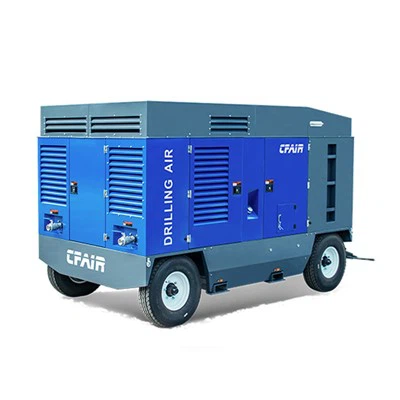
Screw compressors also come in different sizes, but they're generally more compact for the same level of performance. If you're short on space, a screw compressor might be a better option. And if you need a portable compressor, check out our Portable Diesel Air Compressors. They're great for jobs where you need to move the compressor from one location to another.
Cost
Cost is always a factor when making a purchasing decision. Reciprocating compressors are usually less expensive upfront. They have a simpler design, which means they're cheaper to manufacture. This makes them a popular choice for budget - conscious buyers.
Screw compressors, on the other hand, have a higher initial cost. But when you factor in the long - term savings on energy and maintenance, they can actually be more cost - effective in the long run. If you're planning to use the compressor for a long time and need a reliable, efficient machine, the extra investment in a screw compressor is often worth it.
Applications
Let's talk about some specific applications. If you're in the construction industry, a Diesel Screw Air Compressor can be a great asset. It's portable, powerful, and can handle the tough conditions on a construction site. You can use it to power tools like jackhammers, nail guns, and paint sprayers.
For automotive repair shops, a 185 CFM Air Compressor can provide enough air to run air - powered wrenches, impact guns, and other tools. Whether you choose a screw or reciprocating compressor depends on your specific needs, like how often you use the tools and the amount of space you have.
Conclusion
So, which one is better? Well, it really depends on your specific needs. If you need a compressor for intermittent use, have a limited budget, and don't mind a bit of noise, a reciprocating compressor might be the way to go. But if you need a compressor for continuous operation, want better energy efficiency, less maintenance, and a quieter machine, then a screw compressor is the better choice.


As a screw compressor supplier, I'm obviously biased towards screw compressors. I believe they offer a lot of advantages in terms of performance, efficiency, and long - term cost savings. But I also understand that everyone's situation is different, and sometimes a reciprocating compressor is the right fit.
If you're still not sure which type of compressor is best for you, I'd be more than happy to help. Just reach out to me, and we can have a chat about your specific requirements. Whether you're a small business owner, a DIY enthusiast, or part of a large industrial operation, I can help you find the perfect compressor for your needs. Let's start a conversation and see how we can make your compressed air needs a whole lot easier!
References
- Compressed Air and Gas Institute (CAGI) publications on compressor technology
- Industry reports on the performance and efficiency of different compressor types