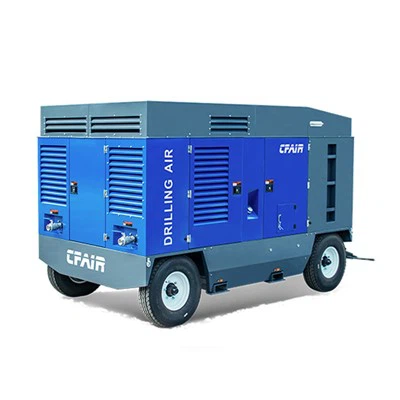
As a supplier of portable air compressors, I often encounter customers facing issues with their compressors not starting. This can be frustrating, especially when you need the compressor for a job. In this blog, I'll share some common reasons why a portable air compressor won't start and how you can troubleshoot these problems.
Power Supply Issues
One of the most common reasons a portable air compressor won't start is a problem with the power supply. Here are some steps to check:


Check the Power Cord
First, ensure that the power cord is properly plugged into an outlet. Sometimes, the cord can become loose over time, or it might not be inserted fully. Inspect the cord for any visible damage, such as cuts or frayed wires. If you find any damage, it's crucial to replace the cord immediately to avoid electrical hazards. You can find replacement cords at most hardware stores or directly from the compressor manufacturer.
Verify the Outlet
Check if the outlet is working by plugging in another device. If the other device doesn't work either, the outlet may be faulty. Try using a different outlet to see if the compressor starts. If the problem persists, it could be an issue with the electrical circuit in your building. In this case, it's best to consult a qualified electrician.
Check the Circuit Breaker or Fuse
If the compressor is connected to a circuit breaker, check if it has tripped. A tripped breaker indicates that there may be an overload or a short - circuit in the compressor. Reset the breaker and try starting the compressor again. If the breaker trips immediately, there is likely a problem with the compressor itself.
If your compressor uses a fuse, locate the fuse box and check if the fuse is blown. A blown fuse will have a broken wire inside. Replace the fuse with one of the same amperage rating. If the new fuse blows as well, it's a sign of a more serious electrical problem in the compressor.
Air Filter and Intake Issues
A clogged air filter or intake can prevent the compressor from starting or cause it to run inefficiently.
Inspect the Air Filter
The air filter is designed to prevent dust and debris from entering the compressor. Over time, the filter can become clogged, restricting the airflow. Remove the air filter and check its condition. If it's dirty, clean it according to the manufacturer's instructions. Some filters can be washed with mild soap and water and then dried thoroughly before reinstalling. If the filter is damaged or too dirty to clean, replace it with a new one. You can find compatible air filters on our website Air Compressors Portable.
Check the Air Intake
Make sure that the air intake is not blocked by any objects. Sometimes, debris, such as leaves or dirt, can accumulate around the intake, reducing the airflow. Clear any obstructions from the intake area to ensure proper ventilation.
Pressure Switch Problems
The pressure switch is an important component that controls when the compressor starts and stops. If the pressure switch is malfunctioning, the compressor may not start.
Check the Pressure Setting
The pressure switch has a pressure setting that determines when the compressor will start. Make sure that the pressure setting is correct. If the setting is too high, the compressor may not start until the pressure in the tank drops below the set point. Refer to the compressor's manual to adjust the pressure setting if necessary.
Inspect the Pressure Switch
Look for any visible signs of damage to the pressure switch, such as loose wires or a cracked housing. If you suspect that the pressure switch is faulty, you can test it using a multimeter. However, if you're not familiar with electrical testing, it's best to have a professional technician perform the test. If the pressure switch is indeed faulty, replace it with a new one. You can find suitable pressure switches for our A Portable Air Compressor models on our website.
Motor and Belt Issues
The motor is the heart of the compressor, and any problems with it can prevent the compressor from starting.
Check the Motor
Listen for any unusual noises coming from the motor when you try to start the compressor. A humming sound without the motor turning could indicate a problem with the motor's start capacitor. The start capacitor provides the initial boost of power to start the motor. If the capacitor is faulty, it may need to be replaced.
Also, check the motor's wiring for any loose connections or damage. Loose wires can disrupt the electrical flow to the motor, preventing it from starting. Tighten any loose connections and repair any damaged wires.
Inspect the Belt
If your compressor has a belt - driven system, check the belt for wear and tension. A loose or worn - out belt can slip, preventing the compressor from operating properly. If the belt is loose, adjust the tension according to the manufacturer's instructions. If the belt is worn or damaged, replace it with a new one. You can find replacement belts for our Compressor Machine for Construction on our website.
Oil and Lubrication Issues
Proper lubrication is essential for the smooth operation of the compressor.
Check the Oil Level
If your compressor is an oil - lubricated model, check the oil level. Low oil levels can cause excessive friction and heat, which can damage the compressor components and prevent it from starting. Refer to the compressor's manual to determine the correct oil level and add oil if necessary. Use the type of oil recommended by the manufacturer.
Change the Oil
Over time, the oil in the compressor can become dirty and lose its lubricating properties. It's important to change the oil at regular intervals as recommended by the manufacturer. Fresh oil will ensure proper lubrication and reduce the risk of compressor failure.
Tank and Valve Issues
Problems with the compressor tank or valves can also lead to starting issues.
Check the Tank
Inspect the compressor tank for any signs of damage, such as dents or leaks. A damaged tank can cause a loss of pressure, which may prevent the compressor from starting. If you suspect a leak, you can use a soapy water solution to check for bubbles around the tank and connections. If you find a leak, it's important to repair it or replace the tank.
Inspect the Valves
The check valve and the pressure relief valve are important components in the compressor system. The check valve prevents the backflow of air from the tank, while the pressure relief valve releases excess pressure to prevent over - pressurization. Check these valves for proper operation. If a valve is stuck or malfunctioning, it may need to be replaced.
Conclusion
Troubleshooting a portable air compressor that won't start can be a step - by - step process. By checking the power supply, air filter, pressure switch, motor, belt, oil, tank, and valves, you can often identify and resolve the problem. If you're still unable to start the compressor after following these steps, it's recommended to contact a professional technician for further diagnosis and repair.
At our company, we are committed to providing high - quality portable air compressors and excellent customer service. If you're in the market for a new portable air compressor or need replacement parts, we invite you to contact us for a purchase negotiation. We'll be happy to assist you in finding the right compressor for your needs.
References
- Manufacturer's manuals for portable air compressors
- Electrical safety guidelines for home and industrial use
- General knowledge of air compressor components and operation