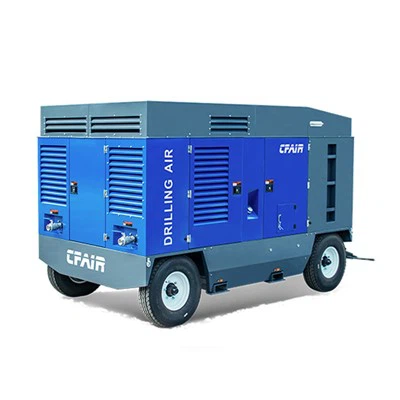
Cleaning a portable air compressor is a crucial maintenance task that can significantly extend its lifespan and ensure optimal performance. As a supplier of portable air compressors, I understand the importance of proper maintenance, and I'm here to guide you through the process.
Why Cleaning Matters
Before delving into the cleaning process, it's essential to understand why cleaning your portable air compressor is so important. Over time, dust, dirt, and debris can accumulate in various parts of the compressor, such as the air intake filter, the compressor pump, and the storage tank. This buildup can restrict airflow, reduce efficiency, and even cause damage to the compressor components. Regular cleaning helps prevent these issues, ensuring that your compressor operates smoothly and reliably.
Tools and Materials You'll Need
To clean your portable air compressor effectively, you'll need the following tools and materials:
- Safety Gear: Safety glasses, gloves, and a dust mask to protect yourself from debris and dust.
- Compressed Air Canister: To blow out dust and debris from hard-to-reach areas.
- Soft Brush: A small, soft-bristled brush to clean the air intake filter and other delicate parts.
- Cleaning Solution: A mild detergent or compressor cleaning solution to clean the exterior and interior components.
- Lint-Free Cloths: To wipe down the compressor and dry the components after cleaning.
- Wrench Set: To remove any bolts or fittings if necessary.
Step-by-Step Cleaning Process
Step 1: Safety First
Before you begin cleaning your portable air compressor, make sure it is turned off and unplugged from the power source. If your compressor is powered by a gasoline or diesel engine, allow it to cool down completely before proceeding. This will prevent any potential injuries from hot surfaces or moving parts.
Step 2: Remove the Air Intake Filter
The air intake filter is one of the most critical components to clean regularly. It prevents dust and debris from entering the compressor, protecting the internal components from damage. Locate the air intake filter on your compressor, which is usually located near the engine or the compressor pump. Remove the filter cover using a wrench or by simply unscrewing it. Take out the filter and inspect it for dirt and debris.
If the filter is lightly dirty, you can clean it by gently tapping it against a hard surface to remove loose debris. Then, use a soft brush to clean the remaining dirt from the filter. If the filter is heavily soiled, you can wash it in a mild detergent solution. Rinse the filter thoroughly with clean water and allow it to dry completely before reinstalling it.
Step 3: Clean the Exterior
Use a lint-free cloth dampened with a mild detergent solution to clean the exterior of the compressor. Wipe down the entire surface, including the handle, the wheels, and the control panel. Pay special attention to any areas with dirt or grease buildup. Rinse the cloth frequently to avoid spreading dirt around. After cleaning, dry the exterior with a clean, lint-free cloth.
Step 4: Clean the Compressor Pump
The compressor pump is the heart of the air compressor, and it requires regular cleaning to ensure optimal performance. Start by removing any covers or panels that provide access to the pump. Use a compressed air canister to blow out any dust and debris from the pump. Pay close attention to the fins and the cooling passages, as these areas can easily become clogged with dirt.
Next, use a soft brush to clean the pump components gently. Be careful not to damage any of the delicate parts. If there is stubborn dirt or grease on the pump, you can use a mild detergent solution and a lint-free cloth to clean it. Rinse the pump thoroughly with clean water and dry it completely before reinstalling the covers or panels.
Step 5: Drain the Storage Tank
The storage tank of your portable air compressor can accumulate moisture and condensation over time. This moisture can cause rust and corrosion inside the tank, which can lead to leaks and other problems. To prevent this, you should drain the storage tank regularly.
Locate the drain valve at the bottom of the storage tank. Place a container underneath the valve to catch the water. Open the valve slowly and allow the water to drain completely. Once the water has stopped flowing, close the valve tightly.
Step 6: Clean the Pressure Switch and Controls
The pressure switch and controls are responsible for regulating the operation of your compressor. Over time, these components can become dirty or corroded, which can affect their performance. Use a compressed air canister to blow out any dust and debris from the pressure switch and controls. Then, use a lint-free cloth dampened with a mild detergent solution to wipe down the components. Rinse the cloth frequently to avoid spreading dirt around. After cleaning, dry the components thoroughly with a clean, lint-free cloth.


Step 7: Reassemble and Test
Once you have completed cleaning all the components of your portable air compressor, reassemble the compressor by reinstalling the air intake filter, the covers, and any other parts you removed. Make sure all the bolts and fittings are tightened securely.
Plug in the compressor and turn it on. Check for any leaks or abnormal noises. Allow the compressor to run for a few minutes to ensure that it is operating properly. If you notice any issues, such as a loss of pressure or unusual vibrations, stop the compressor immediately and inspect it for further problems.
Recommended Cleaning Frequency
The frequency of cleaning your portable air compressor depends on several factors, such as the operating environment, the frequency of use, and the type of compressor. As a general rule, you should clean the air intake filter every 50 hours of operation or more frequently if you are using the compressor in a dusty or dirty environment. The exterior of the compressor should be cleaned regularly to keep it looking good and prevent corrosion. The compressor pump and the storage tank should be cleaned at least once a year or more frequently if you notice any signs of dirt or debris buildup.
Our Portable Air Compressor Products
At our company, we offer a wide range of high-quality portable air compressors to meet your needs. Whether you need a High-Power Dual Portable Air Compressors for heavy-duty applications or a Mobile Diesel Air Compressor for on-the-go use, we have the perfect solution for you. We also offer a Compressor for Blasting that is specifically designed for sandblasting and other abrasive blasting applications.
Contact Us for Purchase and Consultation
If you're interested in learning more about our portable air compressors or need help with maintenance and cleaning, please don't hesitate to contact us. Our team of experts is always ready to assist you with your questions and provide you with the best solutions for your needs. Whether you're a professional contractor or a DIY enthusiast, we have the right portable air compressor for you. Reach out to us today to start the conversation about your air compressor requirements.
References
- Compressor Manufacturer's Manuals
- Industry Standards for Compressor Maintenance