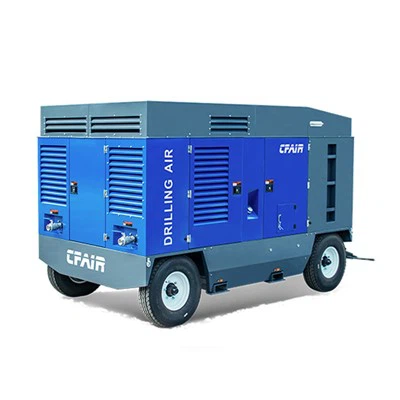
Hey there! As a supplier of Compressor Oil Filters, I often get asked about how to check the condition of these crucial components. In this blog, I'll share some practical tips and methods that you can use to ensure your compressor oil filter is in top - notch shape.
First off, let's understand why checking the compressor oil filter is so important. The oil filter in a compressor plays a vital role in keeping the oil clean. Clean oil is essential for the smooth operation of the compressor, as it lubricates the moving parts, reduces friction, and helps dissipate heat. A clogged or damaged oil filter can lead to a whole bunch of problems, like reduced efficiency, increased wear and tear on the compressor, and even breakdowns.
Visual Inspection
One of the simplest ways to start checking the condition of a compressor oil filter is through a visual inspection. This is something you can do without any fancy tools. Just take a good look at the filter.
- External Damage: Check for any visible signs of damage on the outside of the filter. Look for dents, cracks, or holes. If you see any of these, it's a clear indication that the filter might not be working properly. A damaged filter can allow unfiltered oil to pass through, which can cause severe damage to the compressor.
- Accumulation of Debris: Examine the outer surface of the filter for any build - up of dirt, dust, or other debris. A large amount of debris on the outside can restrict the flow of oil into the filter, reducing its effectiveness. You can use a clean cloth to gently wipe the surface of the filter to get a better look.
Pressure Differential Testing
Another effective method to check the condition of a compressor oil filter is by measuring the pressure differential across the filter. This method gives you a more accurate idea of how well the filter is working.
- How it Works: The basic principle behind pressure differential testing is that as the filter gets clogged with contaminants, the pressure drop across the filter increases. You'll need a pressure gauge to measure the pressure before and after the filter.
- Taking Measurements: First, locate the pressure ports on the compressor system, one before the filter and one after. Connect the pressure gauge to these ports and take the readings. Compare the two readings to get the pressure differential. If the pressure differential is higher than the manufacturer's recommended value, it means the filter is likely clogged and needs to be replaced.
Oil Analysis
Oil analysis is a more in - depth way of checking the condition of the compressor oil filter. It involves taking a sample of the oil and analyzing it for various contaminants.
- Sampling the Oil: To start the oil analysis, you need to take a representative sample of the oil from the compressor. Make sure to follow the proper sampling procedures to get an accurate sample. You can use a specialized oil sampling kit for this purpose.
- Analyzing the Sample: Once you have the oil sample, you can send it to a laboratory for analysis. The lab will test the oil for things like particulate matter, water content, and chemical composition. If the analysis shows a high level of contaminants in the oil, it could mean that the oil filter is not doing its job effectively.
Filter Element Inspection (if accessible)
In some compressors, you can access the filter element inside the filter housing. If this is the case for your compressor, it's a good idea to inspect the filter element directly.
- Removing the Element: First, make sure the compressor is turned off and depressurized before you attempt to remove the filter element. Follow the manufacturer's instructions to safely remove the element from the housing.
- Inspecting the Element: Once the element is out, look at it closely. Check for signs of excessive dirt, clogging, or damage. You can also hold the element up to a light source to see if light can pass through it. If the element is too clogged, very little or no light will pass through.
Interpreting the Results
After you've completed one or more of these checks, it's important to know how to interpret the results.
- Good Condition: If the visual inspection shows no damage or excessive debris, the pressure differential is within the normal range, the oil analysis shows low levels of contaminants, and the filter element looks clean, then the filter is likely in good condition. You can continue to use it for a while longer, but still keep an eye on it.
- Needs Replacement: On the other hand, if you notice significant damage, a high pressure differential, a large amount of contaminants in the oil analysis, or a severely clogged filter element, it's time to replace the filter. Using a worn - out filter can cause more harm than good to your compressor.
Related Compressor Accessories
When it comes to compressor maintenance, it's not just about the oil filter. There are other important accessories that you should also pay attention to. For example, the Air Compressor Air Filter is responsible for filtering the air that enters the compressor. A clean air filter ensures that the compressor gets clean air, which is essential for its proper operation.

Another useful accessory is the Air Compressor Tire. If your compressor is portable, the tires need to be in good condition to make it easy to move around. And don't forget about the Mudguard, which can protect the compressor from dirt and debris on the ground.
Conclusion
Checking the condition of a compressor oil filter is an important part of compressor maintenance. By using the methods I've outlined above - visual inspection, pressure differential testing, oil analysis, and filter element inspection - you can ensure that your filter is working effectively and your compressor is running smoothly.
If you're in the market for a new compressor oil filter or any of the related accessories, don't hesitate to reach out. We're here to help you find the right products for your needs. Whether you're a small - scale user or a large - scale industrial operation, we've got the expertise and the products to keep your compressor in top shape. So, if you have any questions or want to start a procurement discussion, just drop us a line.
References
- Compressor Maintenance Handbook
- Manufacturer's manuals for compressor oil filters and related accessories