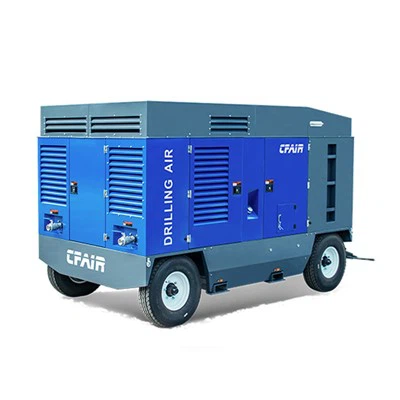
Portable air compressors have become indispensable tools in various industries and applications, from automotive repair shops to construction sites and DIY projects at home. One common question that often arises among users and potential buyers is whether portable air compressors need oil. As a supplier of A Portable Air Compressor, I will delve into this topic to provide a comprehensive understanding.
Types of Portable Air Compressors
Before discussing the need for oil, it's essential to understand the two main types of portable air compressors: oil-lubricated and oil-free.
Oil-Lubricated Portable Air Compressors
Oil-lubricated compressors use oil to lubricate the moving parts within the compressor pump. This lubrication serves several crucial functions. Firstly, it reduces friction between the components, such as pistons and cylinders. Friction generates heat, and excessive heat can cause premature wear and tear on the compressor parts, leading to a shorter lifespan. By reducing friction, the oil helps to keep the compressor running smoothly and efficiently.
Secondly, the oil also acts as a sealant. It fills the small gaps between the pistons and cylinders, preventing air leakage. This ensures that the compressor can build up and maintain the required pressure effectively. Additionally, the oil helps to absorb and carry away contaminants and debris that may enter the compressor during operation, protecting the internal components from damage.
Oil-lubricated portable air compressors are generally more durable and can handle heavy-duty applications. They are often preferred in industrial settings where continuous and high-pressure operation is required. However, they do require regular maintenance, including oil changes and filter replacements, to ensure optimal performance.
Oil-Free Portable Air Compressors
Oil-free compressors, as the name suggests, do not use oil for lubrication. Instead, they rely on special materials and coatings on the moving parts to reduce friction. These materials, such as Teflon or other self-lubricating polymers, are designed to provide a low-friction surface without the need for oil.
One of the main advantages of oil-free portable air compressors is their low maintenance requirements. They do not need oil changes, which saves time and money. They are also more suitable for applications where oil contamination is a concern, such as in the food and beverage industry or painting applications.
However, oil-free compressors typically have a shorter lifespan compared to oil-lubricated ones. The lack of oil means that the moving parts are more prone to wear and tear, especially under heavy use. They also tend to be less efficient at higher pressures and may not be suitable for continuous, long-term operation.
Factors to Consider When Choosing Between Oil-Lubricated and Oil-Free Compressors
When deciding whether to choose an oil-lubricated or oil-free portable air compressor, several factors should be taken into account.
Application
The type of application is one of the most important factors. If you need a compressor for light-duty tasks, such as inflating tires or powering small pneumatic tools occasionally, an oil-free compressor may be sufficient. On the other hand, if you are using the compressor for heavy-duty applications, such as running large pneumatic tools continuously or in an industrial environment, an oil-lubricated compressor is likely to be a better choice.
Maintenance
As mentioned earlier, oil-lubricated compressors require more maintenance than oil-free ones. If you are willing to invest the time and effort in regular maintenance, including oil changes and filter replacements, an oil-lubricated compressor can provide long-term reliability. However, if you prefer a low-maintenance option, an oil-free compressor may be more suitable.
Cost
Oil-lubricated compressors are generally more expensive upfront than oil-free ones. However, they may offer better value in the long run due to their longer lifespan and higher efficiency. Additionally, the cost of oil and filter replacements should also be considered when calculating the total cost of ownership.
Noise Level
Oil-free compressors tend to be quieter than oil-lubricated ones. If noise is a concern, especially in a residential or noise-sensitive environment, an oil-free compressor may be a better choice.
Our Product Range
As a supplier of A Portable Air Compressor, we offer a wide range of both oil-lubricated and oil-free portable air compressors to meet the diverse needs of our customers. Our Compressor Portable models are designed for easy transportation and use in various settings. Whether you need a small, lightweight compressor for home use or a powerful, heavy-duty compressor for industrial applications, we have the right solution for you.


We also offer Diesel Mobile Air Compressor options for customers who require a compressor that can be used in remote locations or where electricity is not available. These diesel-powered compressors are highly efficient and reliable, providing a continuous supply of compressed air even in challenging environments.
Conclusion
In conclusion, whether a portable air compressor needs oil depends on its type. Oil-lubricated compressors offer several advantages, including durability, efficiency, and better performance under heavy loads, but they require regular maintenance. Oil-free compressors, on the other hand, are low-maintenance and suitable for applications where oil contamination is a concern, but they may have a shorter lifespan and lower efficiency.
When choosing a portable air compressor, it's important to consider your specific needs and requirements, including the type of application, maintenance preferences, cost, and noise level. As a trusted supplier, we are committed to providing high-quality portable air compressors and excellent customer service. If you have any questions or need further assistance in choosing the right compressor for your needs, please don't hesitate to contact us for a procurement discussion.
References
- Compressed Air and Gas Institute (CAGI). "Compressed Air Handbook."
- ASME (American Society of Mechanical Engineers). "ASME PTC 9-2010 Performance Test Code on Compressors and Exhausters."