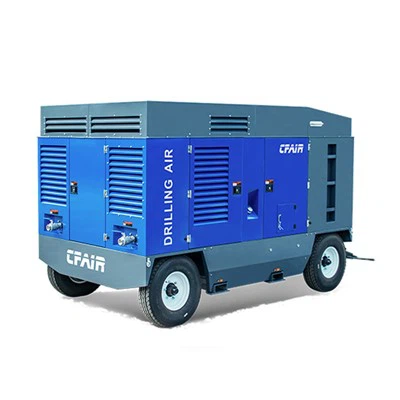
As a supplier of large air compressors, I've encountered numerous inquiries regarding the necessity of regular calibration for these industrial workhorses. In this blog, I'll delve into the reasons why large air compressors indeed require regular calibration, the benefits it brings, and how it impacts your operations.
Understanding the Basics of Air Compressor Calibration
Calibration is the process of comparing the measurements or performance of a device against a known standard to ensure its accuracy. For large air compressors, calibration involves checking and adjusting various parameters such as pressure, flow rate, temperature, and power consumption. These parameters are critical for the proper functioning of the compressor and the quality of the compressed air it produces.
Why Regular Calibration is Essential
Ensuring Safety
Safety is paramount in any industrial setting, and large air compressors are no exception. Incorrect pressure settings can lead to over - pressurization, which may cause the compressor to malfunction, rupture, or even explode. Regular calibration helps maintain the pressure within safe limits, protecting both the equipment and the personnel working around it.
Optimizing Performance
A calibrated air compressor operates at its peak efficiency. When the pressure and flow rate are accurately set, the compressor can deliver the required amount of compressed air with minimal energy consumption. This not only reduces operational costs but also extends the lifespan of the compressor by reducing wear and tear on its components.


Maintaining Product Quality
In many industries, such as manufacturing, food and beverage, and pharmaceuticals, the quality of the compressed air is crucial. Contaminated or inconsistent air can affect the quality of the final product. Calibration ensures that the compressor is producing clean, dry, and stable compressed air, meeting the strict quality standards of these industries.
Compliance with Regulations
Many industries are subject to strict regulations regarding the operation of air compressors. Regular calibration helps ensure that your compressor meets these regulatory requirements, avoiding potential fines and legal issues.
The Calibration Process
The calibration process for large air compressors typically involves the following steps:
Inspection
A thorough inspection of the compressor is carried out to check for any visible signs of damage, wear, or leaks. This includes examining the compressor's housing, pipes, valves, and fittings.
Testing
Various tests are conducted to measure the compressor's performance parameters. This may involve using specialized equipment to measure pressure, flow rate, temperature, and power consumption.
Adjustment
Based on the test results, the compressor's settings are adjusted to bring them in line with the manufacturer's specifications or industry standards. This may involve adjusting the pressure regulator, flow control valve, or other components.
Documentation
A detailed report of the calibration process is prepared, including the test results, adjustments made, and the date of calibration. This documentation is important for record - keeping and compliance purposes.
Frequency of Calibration
The frequency of calibration depends on several factors, including the type of compressor, its usage, and the industry in which it is used. As a general rule, large air compressors should be calibrated at least once a year. However, in high - demand industries or applications where the compressor is used continuously, more frequent calibration may be required.
Impact on Different Industries
Manufacturing
In the manufacturing industry, large air compressors are used in a wide range of applications, such as powering pneumatic tools, operating conveyor systems, and controlling automated machinery. Regular calibration ensures that these processes run smoothly, reducing downtime and improving productivity.
Construction
Construction sites rely heavily on large air compressors to power tools such as jackhammers, nail guns, and paint sprayers. Calibration ensures that these tools operate at their optimal performance, allowing construction workers to complete their tasks efficiently and safely.
Oil and Gas
In the oil and gas industry, large air compressors are used for various purposes, including well stimulation, gas injection, and pipeline maintenance. Calibration is essential to ensure the reliability and safety of these operations, especially in harsh and remote environments.
Our Product Range
As a leading supplier of large air compressors, we offer a wide range of products to meet the diverse needs of our customers. Our Diesel Powered Air Compressor is ideal for remote locations where a reliable power source is not available. It provides high - performance compressed air with low fuel consumption.
Our Towable Portable Air Compressor is designed for easy transportation and mobility. It is perfect for construction sites, rental applications, and other on - the - go needs.
For blasting applications, our Compressor for Blasting delivers the high - pressure air required for efficient and effective blasting operations.
Conclusion
In conclusion, regular calibration of large air compressors is not only necessary but also beneficial for your business. It ensures safety, optimizes performance, maintains product quality, and helps you comply with regulations. As a supplier, we understand the importance of calibration and can provide you with the necessary support and services to keep your compressors in top - notch condition.
If you're in the market for a large air compressor or need calibration services for your existing equipment, we invite you to contact us for a consultation. Our team of experts is ready to assist you in finding the right solution for your specific needs.
References
- Compressed Air and Gas Institute (CAGI). Standards for Air Compressor Performance and Testing.
- Occupational Safety and Health Administration (OSHA). Regulations for Compressed Air Systems in the Workplace.
- American Society of Mechanical Engineers (ASME). Boiler and Pressure Vessel Code for Air Compressors.