Can a Towable Air Compressor Be Used in a Confined Space?
As a supplier of towable air compressors, I often encounter inquiries from customers about the suitability of using our products in confined spaces. This is a crucial question that demands a comprehensive understanding of the equipment, safety regulations, and potential risks involved. In this blog post, I will delve into the topic and provide you with the necessary information to make an informed decision.
Understanding Towable Air Compressors
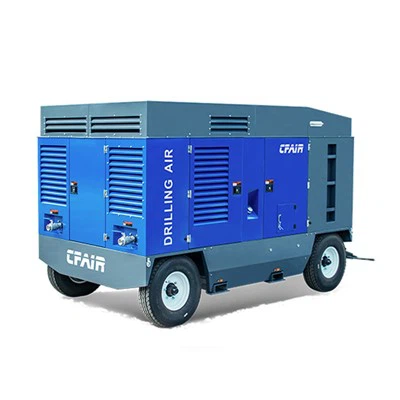
Before discussing their use in confined spaces, let's first understand what towable air compressors are. These are portable air compressors that are designed to be towed behind a vehicle, making them highly mobile and suitable for various applications, such as construction sites, mining operations, and agricultural tasks. They are typically powered by an engine, either gasoline or diesel, which drives the compressor to generate compressed air.
Towable air compressors come in different sizes and capacities, ranging from small units with a few cubic feet per minute (CFM) to large industrial-grade compressors capable of delivering hundreds of CFM. They are equipped with various features, such as adjustable pressure settings, multiple air outlets, and safety valves, to ensure efficient and safe operation.
The Risks of Using a Towable Air Compressor in a Confined Space
While towable air compressors offer numerous benefits, using them in a confined space can pose significant risks. The primary concern is the accumulation of exhaust gases, such as carbon monoxide (CO), which is a colorless, odorless, and highly toxic gas. When an engine-driven air compressor operates in a confined space, the exhaust gases can quickly build up to dangerous levels, leading to carbon monoxide poisoning.
Carbon monoxide poisoning can cause a range of symptoms, including headache, dizziness, nausea, vomiting, confusion, and even death. In addition to carbon monoxide, other exhaust gases, such as nitrogen oxides (NOx) and particulate matter, can also have adverse health effects, especially for individuals with respiratory problems.
Another risk of using a towable air compressor in a confined space is the potential for an explosion or fire. Compressed air can be highly flammable, especially when mixed with certain substances, such as oil or grease. If there is a leak in the air compressor or the associated piping, the compressed air can escape and create a flammable atmosphere. In addition, the heat generated by the engine and the compressor can also increase the risk of ignition.
Safety Precautions for Using a Towable Air Compressor in a Confined Space
If you need to use a towable air compressor in a confined space, it is essential to take the necessary safety precautions to minimize the risks. Here are some guidelines to follow:


- Ventilation: Ensure that the confined space is well-ventilated to prevent the accumulation of exhaust gases. This can be achieved by using mechanical ventilation systems, such as fans or blowers, or by opening doors and windows to allow fresh air to circulate.
- Carbon Monoxide Detection: Install carbon monoxide detectors in the confined space to monitor the levels of CO. These detectors should be calibrated regularly and placed in areas where the exhaust gases are likely to accumulate.
- Leak Detection: Regularly inspect the air compressor and the associated piping for leaks. If a leak is detected, it should be repaired immediately to prevent the release of compressed air.
- Fire Prevention: Keep the area around the air compressor free of flammable materials, such as oil, grease, and paper. In addition, ensure that the air compressor is equipped with a fire extinguisher and that all personnel are trained in its use.
- Personal Protective Equipment (PPE): Provide all personnel working in the confined space with appropriate PPE, such as respirators, safety glasses, and gloves. This will help to protect them from the potential hazards associated with the use of the air compressor.
Alternatives to Using a Towable Air Compressor in a Confined Space
If the risks associated with using a towable air compressor in a confined space are too high, there are several alternatives that you can consider. One option is to use an electric air compressor, which does not produce exhaust gases and is therefore safer to use in a confined space. Electric air compressors are available in various sizes and capacities, and they can be powered by a standard electrical outlet or a generator.
Another option is to use a stationary air compressor that is located outside the confined space and connected to the equipment inside the space using air hoses. This will eliminate the need to operate the air compressor inside the confined space and reduce the risk of exhaust gas accumulation.
Conclusion
In conclusion, while towable air compressors can be a valuable tool for various applications, using them in a confined space requires careful consideration and adherence to safety regulations. The risks associated with the accumulation of exhaust gases and the potential for an explosion or fire are significant, and it is essential to take the necessary precautions to minimize these risks.
If you are unsure whether a towable air compressor is suitable for use in a confined space, or if you need further information on safety precautions, please do not hesitate to contact us. As a leading supplier of Towable Portable Air Compressor, we have the expertise and experience to provide you with the right solution for your needs. We offer a wide range of Engine Driven Air Compressor and Air Compressor Engine Driven products that are designed to meet the highest standards of safety and performance.
If you are interested in purchasing a towable air compressor or have any questions about our products, please feel free to reach out to us. Our team of experts will be happy to assist you and provide you with a free quote. We look forward to hearing from you and helping you find the perfect air compressor for your application.
References
- Occupational Safety and Health Administration (OSHA). (n.d.). Confined Spaces. Retrieved from OSHA Website
- National Fire Protection Association (NFPA). (n.d.). NFPA 54: National Fuel Gas Code. Retrieved from NFPA Website
- Compressed Air and Gas Institute (CAGI). (n.d.). Safety Guidelines for Compressed Air Systems. Retrieved from CAGI Website