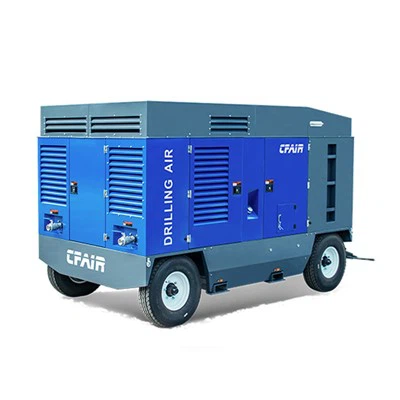
As a supplier of mobile air compressors, one question I'm frequently asked is whether a mobile air compressor can be used in wet conditions. It's a valid concern, especially considering the diverse environments where these compressors are often deployed. In this blog post, I'll delve into this topic, exploring the possibilities, challenges, and best practices for using mobile air compressors in wet settings.
Understanding Mobile Air Compressors
Before we discuss using mobile air compressors in wet conditions, let's briefly understand what these machines are. Mobile air compressors are designed to provide a portable source of compressed air. They come in various types, including Engine Driven Air Compressor, which are powered by engines such as gasoline or diesel, and are highly versatile for on - site applications. Another type is the Towable Air Compressor, which can be easily transported to different locations.
These compressors are used in a wide range of industries, from construction to mining, and even in some agricultural applications. In the construction industry, for example, Compressor In Construction are essential for powering pneumatic tools like jackhammers, nail guns, and paint sprayers.
The Challenges of Using Mobile Air Compressors in Wet Conditions
Using a mobile air compressor in wet conditions presents several challenges. First and foremost, water and electricity (or in the case of engine - driven compressors, fuel systems) don't mix well. Water can cause electrical short - circuits in electric - powered compressors, leading to equipment failure and potentially dangerous situations. For engine - driven compressors, water can contaminate the fuel, air intake, or lubrication systems, which can result in poor engine performance, corrosion, and even engine damage over time.
Another challenge is the impact of moisture on the compressed air itself. When water enters the compressor system, it can cause rust and corrosion inside the compressor components, such as the cylinders, valves, and pipes. This not only reduces the lifespan of the compressor but also affects the quality of the compressed air. Moisture in the compressed air can cause issues with pneumatic tools, leading to reduced efficiency, increased wear and tear, and potential malfunctions.
Can Mobile Air Compressors Be Used in Wet Conditions?
The short answer is yes, but with precautions. Some mobile air compressors are designed to be more resistant to wet conditions. For example, certain models have sealed electrical components and water - resistant enclosures, which can provide a certain level of protection against moisture. Engine - driven compressors can also be equipped with features such as waterproof air filters and fuel - water separators to prevent water from entering critical systems.


However, it's important to note that even the most water - resistant compressors have their limits. If the compressor is completely submerged in water or exposed to heavy, continuous rain for an extended period, it's likely to suffer damage.
Best Practices for Using Mobile Air Compressors in Wet Conditions
If you need to use a mobile air compressor in wet conditions, here are some best practices to follow:
1. Choose the Right Compressor
Select a compressor that is designed to handle wet conditions. Look for models with water - resistant features such as sealed electrical connections, waterproof enclosures, and corrosion - resistant materials.
2. Protect the Compressor
Use a waterproof cover or shelter to protect the compressor from direct exposure to rain or standing water. Make sure the cover is properly secured and allows for adequate ventilation to prevent overheating.
3. Check and Maintain the Compressor Regularly
Before using the compressor in wet conditions, check all the components for signs of damage or wear. Pay special attention to the electrical connections, air filters, and fuel systems. After use, dry the compressor thoroughly and inspect it again for any signs of water damage.
4. Use a Moisture Separator
Install a moisture separator in the compressed air line. This device will remove most of the moisture from the compressed air, ensuring that the air supplied to the pneumatic tools is dry and clean.
5. Monitor the Compressor During Operation
Keep an eye on the compressor's performance during operation. If you notice any unusual noises, vibrations, or changes in pressure, stop the compressor immediately and investigate the cause.
Case Studies: Successful Use of Mobile Air Compressors in Wet Conditions
In the construction industry, there have been many instances where mobile air compressors have been used successfully in wet conditions. For example, on a bridge construction project, where the work area was often exposed to rain and high humidity, the construction team used towable air compressors with water - resistant features. By following the best practices mentioned above, they were able to keep the compressors running smoothly and ensure the efficient operation of their pneumatic tools.
In the mining industry, mobile air compressors are often used in underground mines where there is a high level of moisture. Miners use engine - driven air compressors with advanced filtration systems to prevent water and dust from entering the compressor. This allows them to maintain a reliable source of compressed air for their mining equipment.
Conclusion
In conclusion, while using a mobile air compressor in wet conditions is possible, it requires careful consideration and proper precautions. By choosing the right compressor, protecting it from moisture, and following best practices for maintenance and operation, you can safely and effectively use a mobile air compressor in wet environments.
If you're in the market for a mobile air compressor that can handle wet conditions, or if you have any questions about our products, we're here to help. Contact us to discuss your specific requirements and explore the options available to you. Our team of experts can provide you with the information and support you need to make the right choice for your application.
References
- Compressor Handbook, various editions
- Manufacturer's manuals for mobile air compressors
- Industry reports on the use of air compressors in challenging environments