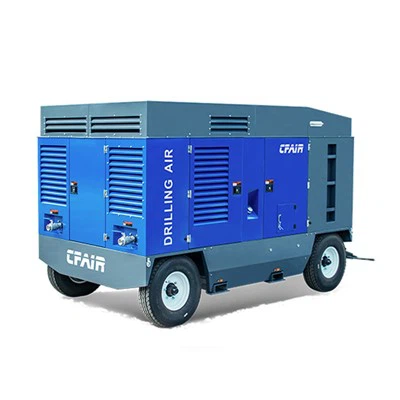
Hey there! As a supplier of box air compressors, I often get asked a really interesting question: Can a box air compressor be used for medical equipment? Let's dive right into this topic and explore it in detail.
First off, let's understand what a box air compressor is. It's a type of compressor that's usually enclosed in a box - like structure. This design helps in reducing noise and protecting the internal components from dust and other environmental factors. There are different types of box air compressors out there, such as the Compressor Air Screw, Engine Driven Compressor, and Drilling Compressor. Each of these has its own unique features and applications.
Now, let's talk about medical equipment. Medical devices rely on a clean, reliable, and precise source of compressed air. For example, ventilators need a stable supply of air to help patients breathe. Dental tools also use compressed air to operate effectively. So, when considering using a box air compressor for medical equipment, we need to look at several key factors.
Air Quality
One of the most crucial aspects is air quality. Medical equipment requires air that's free from contaminants like oil, water, and particulate matter. Most box air compressors are designed for industrial or general - purpose use, and their air output might not meet the strict standards of medical applications. Industrial compressors often use oil for lubrication, and even with filters, there's a risk of oil carry - over in the compressed air. This oil can contaminate medical devices and pose a health risk to patients.
However, some box air compressors can be modified or are specifically designed to produce clean air. These oil - free compressors are a better option for medical use. They eliminate the risk of oil contamination and can be equipped with high - efficiency filters to remove particulate matter and moisture.
Pressure and Flow Rate
Medical equipment has specific requirements for pressure and flow rate. For instance, a dental drill might need a certain level of pressure to operate at its best, while a ventilator requires a precise flow rate of air. Box air compressors come in different sizes and capacities, and it's important to choose one that can provide the right pressure and flow rate for the medical device in question.
Some compressors are adjustable, allowing you to set the pressure and flow rate according to your needs. But you need to make sure that the compressor can maintain a stable output under varying conditions. Fluctuations in pressure or flow rate can affect the performance of medical equipment and potentially endanger the patient.
Reliability and Safety
In a medical setting, reliability is non - negotiable. A compressor that breaks down can disrupt medical procedures and put patients at risk. Box air compressors used for medical equipment need to be highly reliable and have a long service life. They should also be equipped with safety features such as pressure relief valves to prevent over - pressurization.
Regular maintenance is essential to ensure the reliability of the compressor. This includes changing filters, checking for leaks, and inspecting the overall condition of the unit. Additionally, the compressor should have built - in alarms or indicators to alert you if there's a problem.
Noise Level
Medical facilities are places where a quiet environment is important for patient comfort and staff communication. Box air compressors, even though they are enclosed, can still produce a significant amount of noise. High noise levels can be a distraction and cause stress for patients and medical staff.
Some box air compressors are designed to be quieter than others. Look for models with noise - reducing features such as sound - absorbing materials in the enclosure or advanced motor designs that operate more quietly.
Cost
Cost is also a factor to consider. Medical - grade box air compressors, especially those that are oil - free and meet strict air quality standards, can be more expensive than standard industrial compressors. But when it comes to medical equipment, the cost of a reliable and suitable compressor is a necessary investment. You need to balance the upfront cost with the long - term benefits of having a compressor that meets the requirements of your medical devices.
Regulatory Compliance
Medical equipment is subject to strict regulations. Using a box air compressor for medical use means ensuring that it complies with relevant medical device regulations. These regulations vary from country to country, but they generally cover aspects such as air quality, safety, and performance. You need to make sure that the compressor you choose has the necessary certifications and meets the regulatory requirements of your region.
Examples of Suitable Applications
There are some medical applications where a box air compressor can be used effectively. For example, in a small dental clinic, a small - sized box air compressor can be used to power dental tools. If the compressor is oil - free and has proper filtration, it can provide the necessary air for the drills, scalers, and other instruments.
In a home - care setting, a portable box air compressor can be used with certain types of home medical devices, such as some types of nebulizers. However, you still need to ensure that the air quality and performance of the compressor meet the device's requirements.
Conclusion
So, can a box air compressor be used for medical equipment? The answer is yes, but with some caveats. It depends on the specific requirements of the medical device, the air quality, pressure and flow rate needs, reliability, noise level, and regulatory compliance.
If you're in the market for a box air compressor for medical use, it's important to do your research. Look for compressors that are specifically designed or can be adapted for medical applications. Make sure to work with a reputable supplier who can provide you with the necessary information and support.


If you're interested in exploring our range of box air compressors and finding out if they're suitable for your medical equipment needs, we'd love to hear from you. Contact us to start a conversation about your requirements and let's see how we can help you find the right solution.
References
- "Compressed Air in Medical Applications" - Industry - standard handbook on compressed air for medical use.
- Various medical device manufacturers' specifications regarding compressed air requirements.