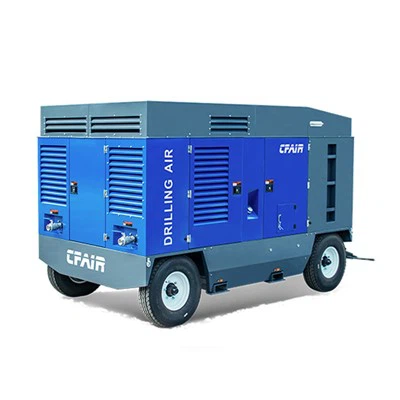
Hey there! I'm a supplier of box air compressors, and I know firsthand how annoying the noise from these machines can be. Whether you're using one in a small workshop, a large industrial facility, or even at home, that constant racket can make it tough to concentrate and be productive. So, I thought I'd share some tips on how to reduce the noise of a box air compressor.
Understanding the Source of the Noise
Before we dive into the solutions, it's important to understand where the noise is coming from. Box air compressors generate noise mainly from the following sources:
- Motor: The electric or gas motor that powers the compressor is a significant source of noise. The motor's rotation and the vibration it creates can produce a lot of sound.
- Compression Process: As the compressor squeezes the air, it creates pressure waves that result in noise. This is especially true for reciprocating compressors, where the pistons move up and down.
- Cooling Fan: Many box air compressors have a cooling fan to prevent overheating. The fan blades moving through the air can generate a whistling or humming sound.
- Vibration: The compressor's components vibrate during operation, and if they're not properly isolated, this vibration can transfer to the surrounding surfaces and amplify the noise.
Tips to Reduce the Noise
Now that we know what's causing the noise, let's look at some practical ways to reduce it.
1. Choose a Quiet Compressor
If you're in the market for a new box air compressor, look for models that are designed to be quiet. Some compressors come with features like sound-dampening enclosures or low-noise motors. For example, our High CFM Air Compressor is engineered to operate with minimal noise while still delivering high performance.
2. Install a Sound Enclosure
A sound enclosure is a great way to contain the noise generated by the compressor. You can either buy a pre-made enclosure or build one yourself using sound-absorbing materials like acoustic foam or fiberglass insulation. Make sure the enclosure has proper ventilation to prevent the compressor from overheating.
3. Use Anti-Vibration Pads
Vibration is a major contributor to noise, so using anti-vibration pads can make a big difference. These pads are usually made of rubber or neoprene and can be placed under the compressor's feet. They help absorb the vibration and prevent it from transferring to the floor or other surfaces.
4. Isolate the Compressor
If possible, place the compressor in a separate room or area away from where people are working or living. This can help reduce the amount of noise that reaches the surrounding environment. You can also use barriers like partitions or curtains to further isolate the compressor.
5. Maintain the Compressor Regularly
A well-maintained compressor is likely to be quieter than one that's in poor condition. Make sure to follow the manufacturer's recommended maintenance schedule, which may include tasks like changing the oil, cleaning the air filter, and tightening loose bolts. Regular maintenance can help keep the compressor running smoothly and reduce noise.
6. Upgrade the Intake and Exhaust Systems
The intake and exhaust systems of the compressor can also contribute to noise. You can try upgrading these systems with mufflers or silencers to reduce the noise level. For example, installing a muffler on the exhaust pipe can help dampen the sound of the compressed air being released.
7. Use a Remote Control
If your compressor has a remote control feature, use it to start and stop the compressor from a distance. This can help reduce your exposure to the noise while the compressor is running.
Real-World Examples
Let me share some real-world examples of how these tips have worked for our customers.
One of our customers, a small auto repair shop, was struggling with the noise from their old box air compressor. The noise was not only bothering the employees but also the customers. They decided to upgrade to our High CFM Portable Air Compressor, which is designed to be quiet and efficient. They also installed a sound enclosure around the compressor and used anti-vibration pads. The result? The noise level in the shop was significantly reduced, and the employees and customers were much happier.


Another customer, a construction company, had a Truck Mounted Diesel Air Compressor that was making a lot of noise on job sites. They followed our advice and upgraded the intake and exhaust systems with mufflers. They also made sure to maintain the compressor regularly. The noise reduction was so noticeable that they received fewer complaints from nearby residents.
Conclusion
Reducing the noise of a box air compressor is not only important for the comfort of the people around it but also for compliance with noise regulations. By following these tips, you can significantly reduce the noise level of your compressor and create a more pleasant working or living environment.
If you're interested in learning more about our box air compressors or need help with noise reduction, feel free to reach out to us. We'd be happy to discuss your specific needs and provide you with the best solutions. Let's work together to make your compressor quieter and more efficient!
References
- "Noise Reduction Techniques for Air Compressors." Compressed Air Best Practices Magazine.
- Manufacturer's manuals for box air compressors.