


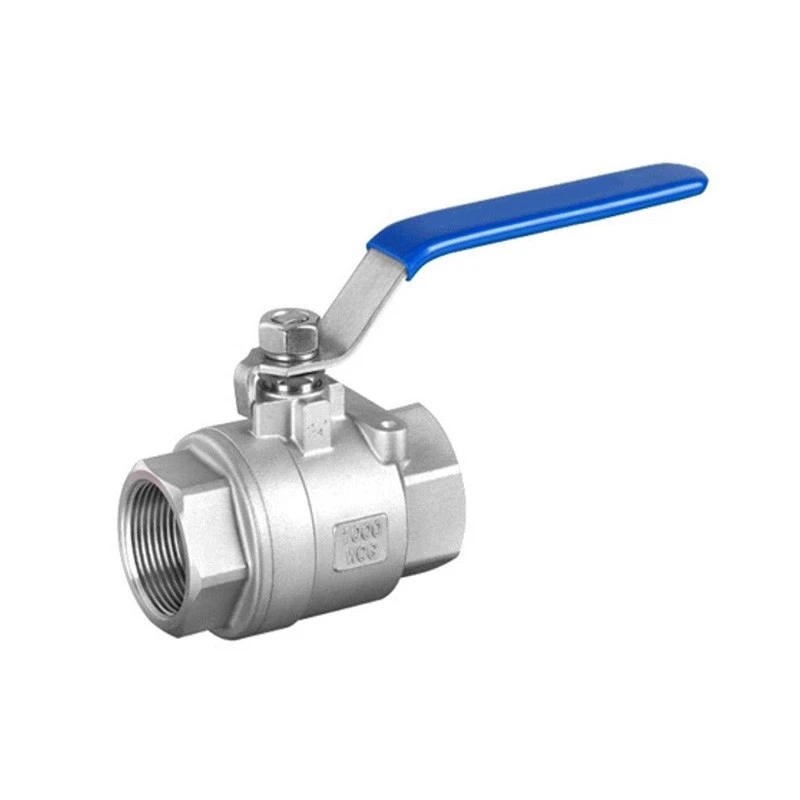
CFAIR Air Compressor Ball Valve
After completing the replacement of accessories, do not rush to start the compressor. First, carefully check whether the connection between the replaced accessories and the surrounding components is firm, whether there are any missing tools or parts left in the equipment, and ensure that the environment around the equipment is safe and free of hidden dangers. For example, when dealing with a Jackhammer Compressor or any other Construction Site Air Compressor, ensure that all connections are secure to prevent any issues during operation.

Check the relevant information again to check whether the entire replacement process meets the requirements and ensure that all steps are correct. This step can help you find possible negligence or errors and avoid equipment failures caused by minor problems.
After starting the compressor, closely observe its operating status. Pay attention to whether there are abnormal sounds when the equipment is running, check whether the parameters such as pressure, temperature, flow rate are normal, and whether there are any leaks. For a Construction Site Air Compressor, it's particularly important to monitor these parameters closely, as these compressors often handle high demands like those of a Jackhammer Compressor. In the initial operation stage after startup, it is recommended to continue to observe for a period of time to ensure that the equipment is stable before putting it into normal use.

FAQ
Q1: How do I know if the COMPRESSOR Ball valve is fully open or closed? Is there a visual indicator?
A1: CFAIR compressor ball valves all have handles. When the handle is parallel to the pipe, it usually indicates that the valve is fully open, allowing maximum airflow. When the handle is perpendicular to the pipe, it usually indicates that the valve is closed. There is also a small notch or mark on the valve body to further clarify the position.
Q2: What materials are commonly used to make the sealing components of the COMPRESSOR Ball valve to ensure airtightness?
A2: The sealing components are often made of materials like PTFE (Polytetrafluoroethylene) or rubber compounds. PTFE offers excellent chemical resistance and low friction, while rubber provides good flexibility and sealing capabilities, especially in applications where some vibration or minor misalignment might occur.
Q3: In case of a slow air leak around the COMPRESSOR Ball valve, what steps can I take to troubleshoot?
A3: First, check if the valve is fully closed. Sometimes, debris or dirt can prevent a proper seal. Try cleaning the valve seat and the ball surface gently with a soft cloth. If the leak persists, inspect the sealing gasket for wear or damage. Replacing the gasket might be necessary if it shows signs of deterioration.
movement.
Hot Tags: air compressor ball valve, China air compressor ball valve manufacturers, suppliers, factory, pneumatic compressor belt pulleys, Air Compressor Intake Gasket, compressor rotor shaft seal, compressor elbow bend, Compressor Pressure Regulator, Air Compressor On Sale


